
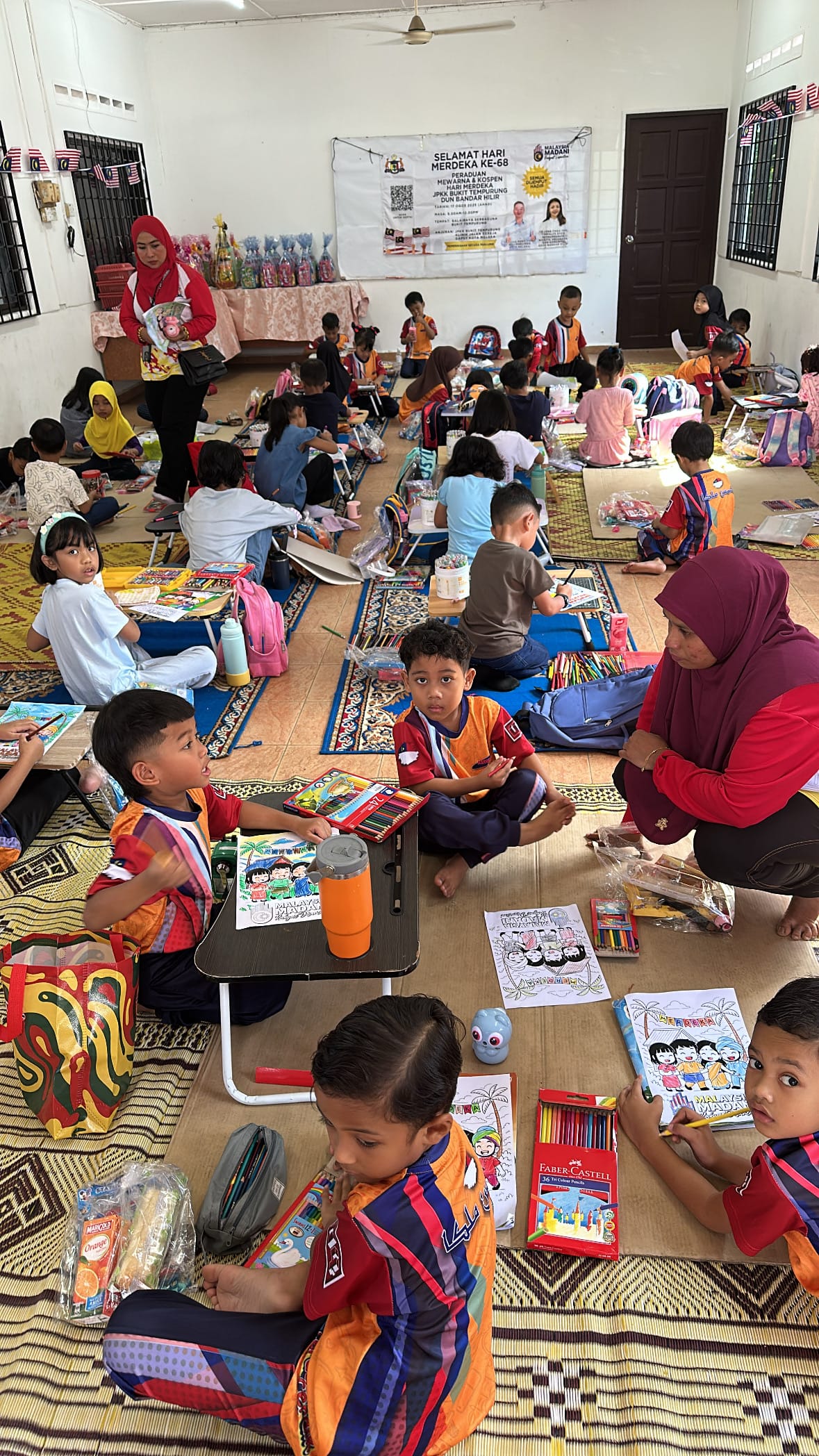
Colouring events for children are more than simple recreational activities. They are meaningful developmental experiences that influence a child’s psychology, behaviour, creativity, emotional intelligence and overall perspective of the world. In today’s fast-moving digital environment, activities that encourage imagination and self-expression are becoming increasingly important in supporting healthy childhood development.
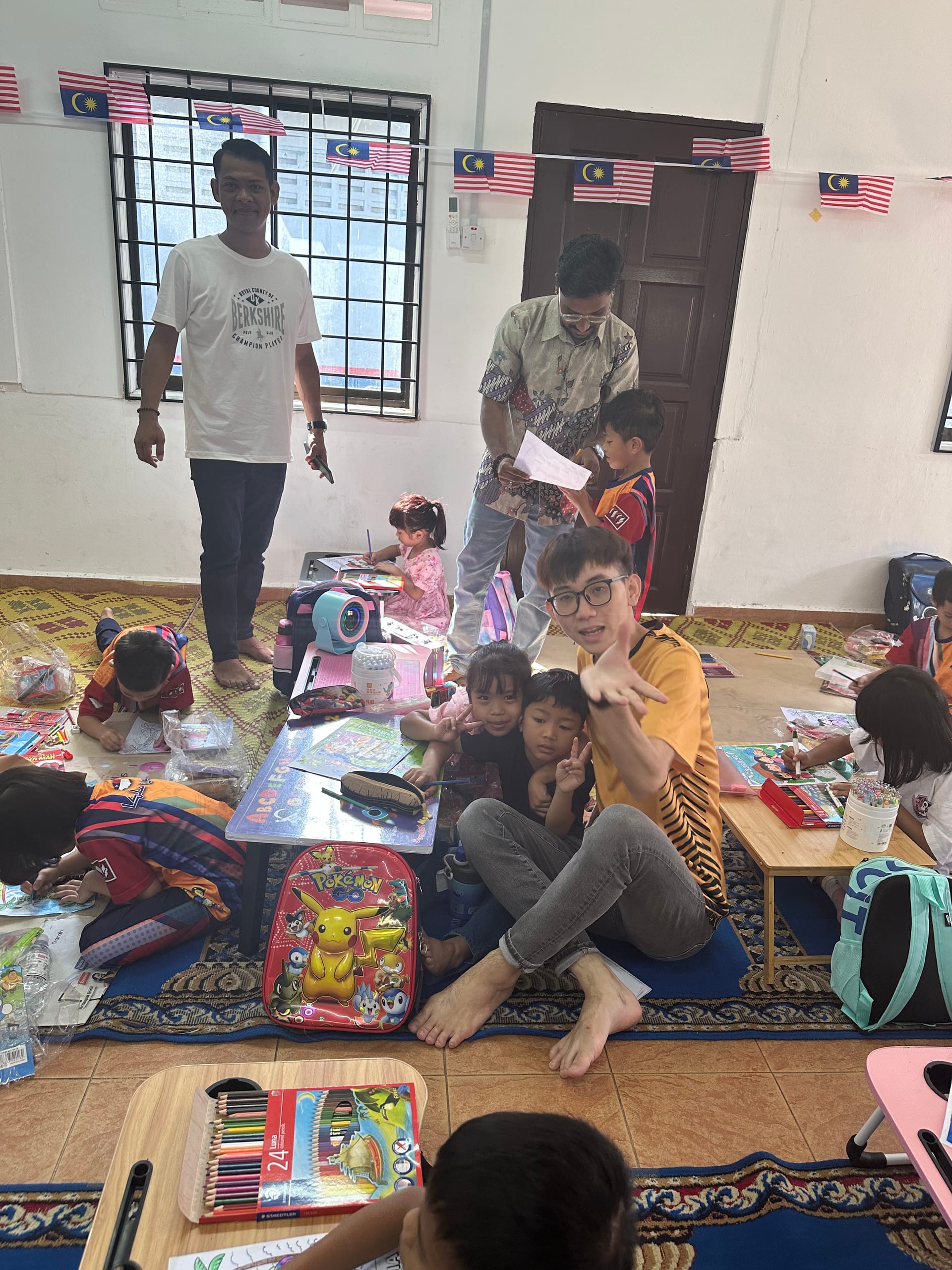
From a psychological perspective, colouring allows children to express emotions, thoughts, and feelings that they may not yet be able to communicate verbally. Colours often reflect emotions and moods. Bright colours may represent happiness and excitement, while darker tones can sometimes indicate sadness, fear or anxiety. Through art and colouring activities, parents, teachers, and facilitators are sometimes able to better understand a child’s emotional state and personality. This makes colouring not only a creative activity but also a subtle psychological tool that promotes emotional expression and mental well-being.
Colouring events also help children develop confidence and self-esteem. When children are encouraged to complete their artwork freely without fear of criticism, they begin to feel proud of their ideas and abilities. Positive reinforcement during colouring sessions helps children feel valued and appreciated. This contributes greatly to building healthy self-confidence and encouraging independent thinking. Children learn that there is no single “correct” way to create art, which teaches them to appreciate individuality and creativity.
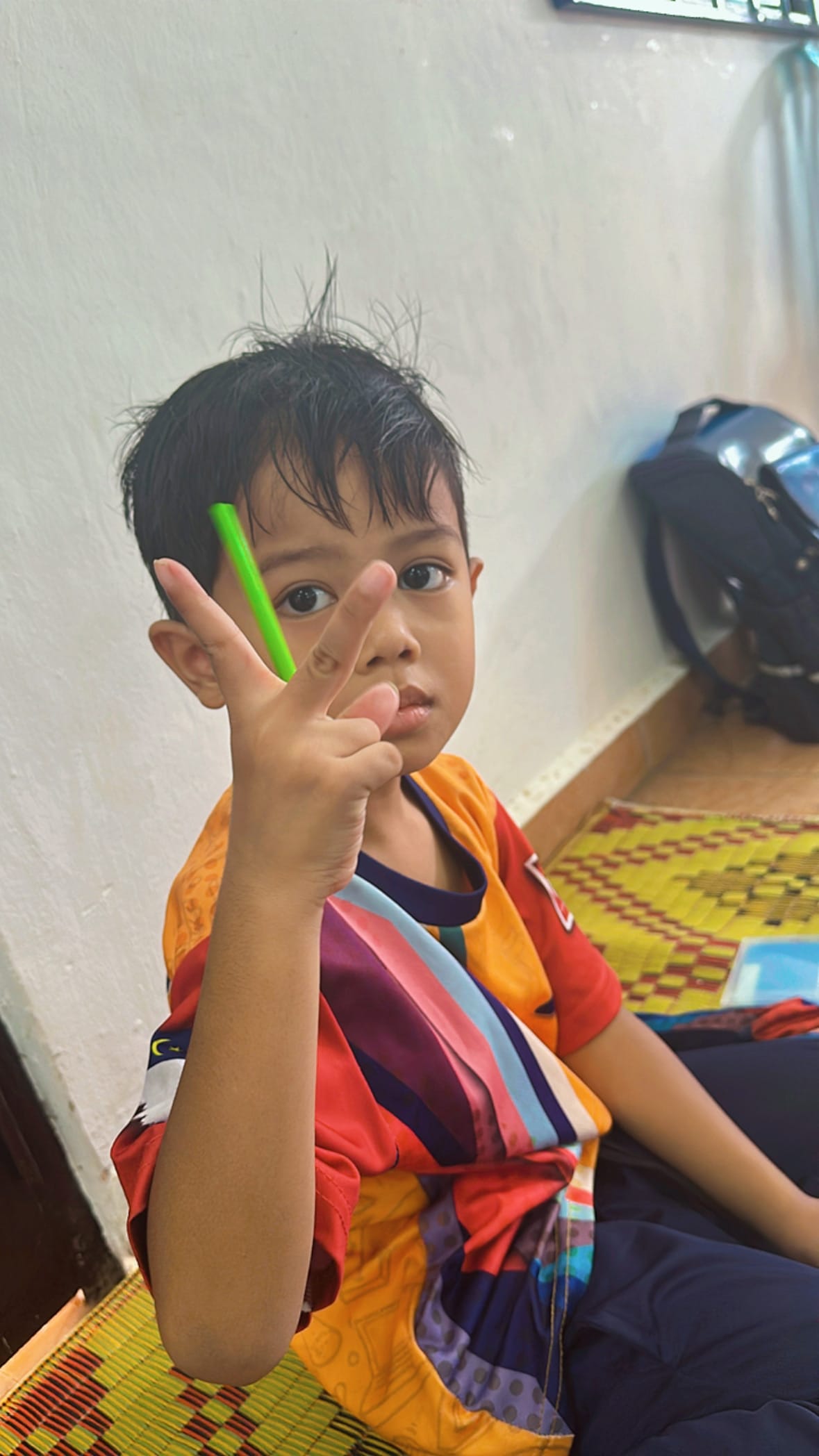
Behaviourally, colouring activities promote patience, discipline, focus, and concentration. Completing an artwork requires attention to detail and the ability to remain engaged in a task for a period of time. These are important behavioural skills that contribute to better learning habits in school and daily life. Children also learn problem-solving and decision-making skills when choosing colours, patterns, and artistic styles. Such small choices help develop cognitive flexibility and critical thinking from an early age.
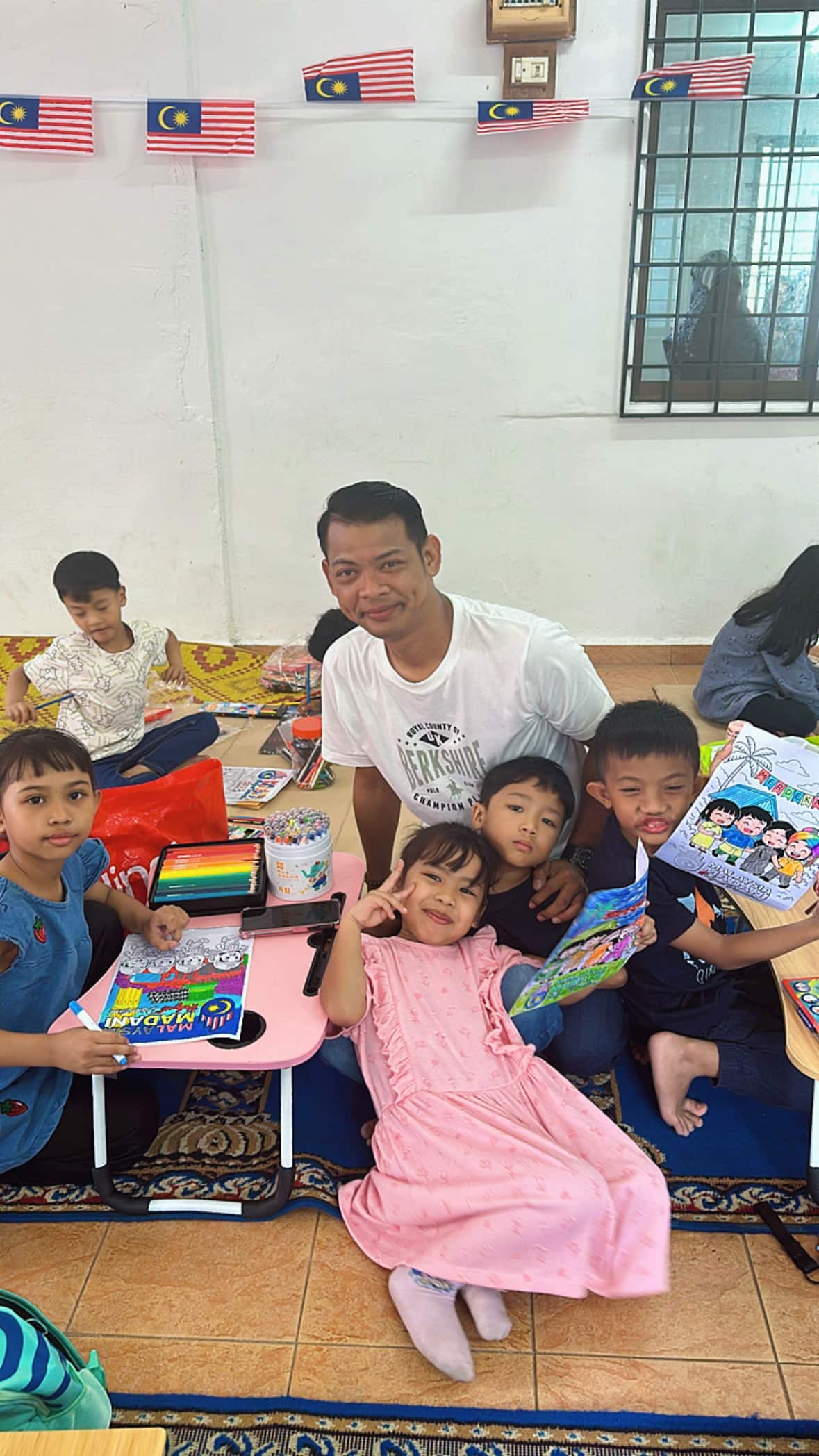
Group colouring events additionally encourage positive social behaviour. When children participate together, they interact, share colouring tools, observe each other’s creativity and communicate ideas. This helps improve social interaction, cooperation, and empathy. Children begin to understand that everyone has different perspectives and ways of expressing themselves. Such exposure nurtures acceptance, respect, and emotional maturity.
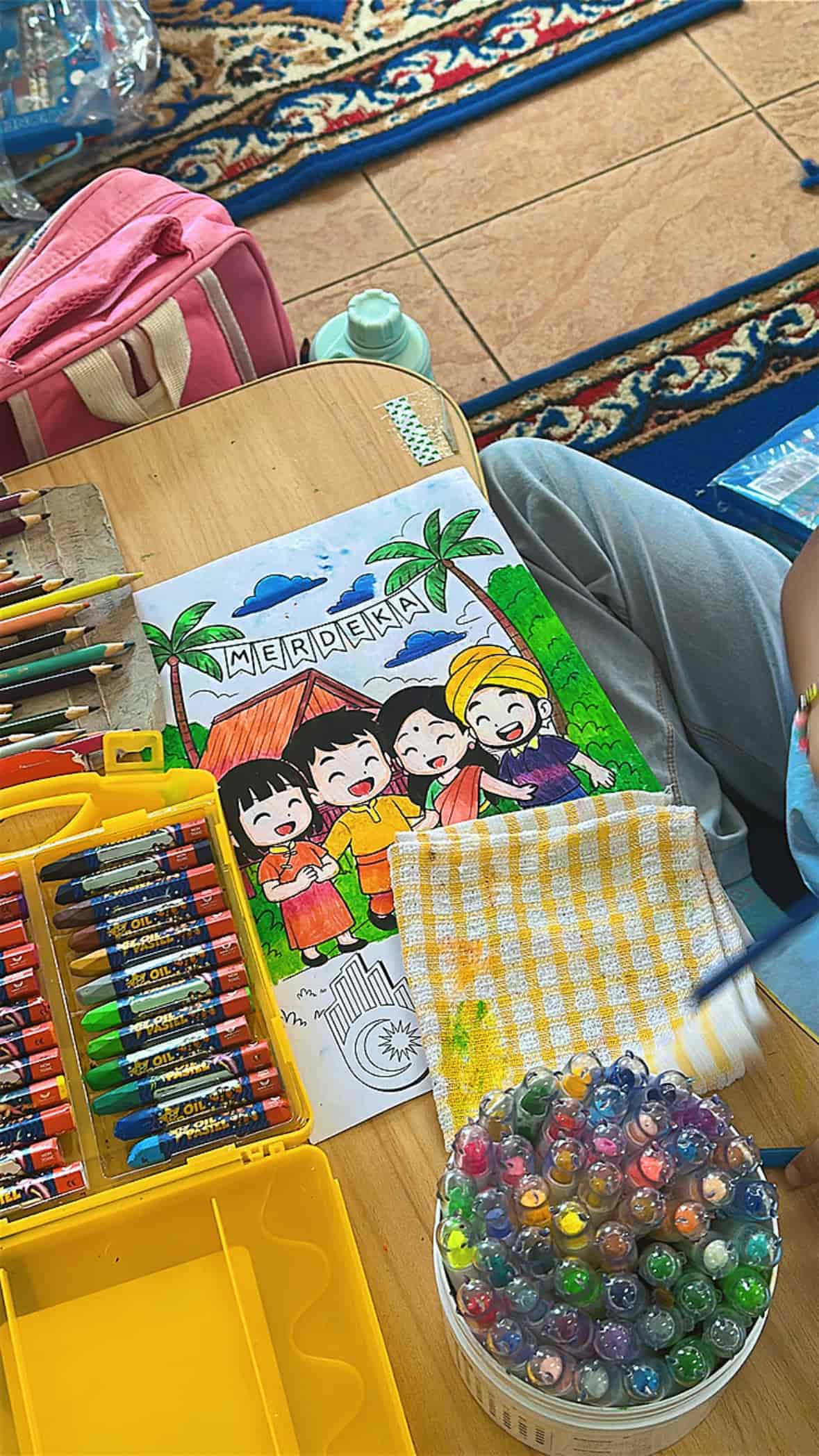
The themes used in colouring events can also influence how children perceive society and the world around them. For example, colouring activities focused on environmental care, kindness, healthcare, cultural diversity, or family values can shape children’s understanding of important social concepts in a simple yet effective way. Through visual learning and creative engagement, children are more likely to absorb positive messages and behaviours naturally.
Furthermore, colouring activities can serve as a healthy emotional outlet that reduces stress and anxiety. Many psychologists recognise art-based activities as calming and therapeutic for children. The repetitive motion of colouring and the freedom to create can help children feel relaxed, safe, and emotionally balanced. This is especially important in modern times where children may face academic pressure, excessive screen time, or social stress.
In conclusion, the art of colouring is far more significant than simply filling pictures with colours. Colouring events play an important role in shaping a child’s psychology, behaviour, confidence, creativity, and social perspective. By encouraging emotional expression, positive behaviour, and imaginative thinking, these activities help children grow into more confident, emotionally aware, and socially responsible individuals.
Laguvendran Sandran (laguvendran96@gmail.com) is a content creator under the Newswav Creator programme, where you get to express yourself, be a citizen journalist, and at the same time monetize your content & reach millions of users on Newswav. Log in to creator.newswav.com and become a Newswav Creator now!
The User Content (as defined on Newswav Terms of Use) above including the views expressed and media (pictures, videos, citations etc) were submitted & posted by the author. Newswav is solely an aggregation platform that hosts the User Content. If you have any questions about the content, copyright or other issues of the work, please contact creator@newswav.com.