.jpg)
By Mihar Dias December 2025
Families often swap stories about ageing the way they swap recipes—everyone has a theory, most involve shortcuts, and very few are repeatable.
At recent gatherings, classmates in their 70s and my wife’s friends in their late 60s keep circling the same topic: Why do some people seem to age better than others?
Our answer is usually met with mild disappointment, because it contains nothing exciting.
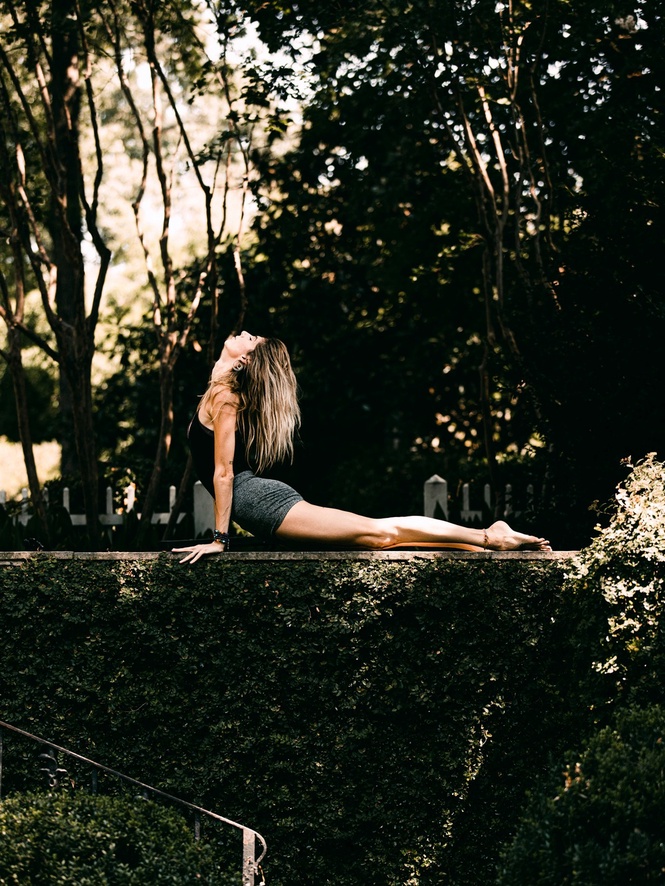
Let me start with my wife. For the past 16 years—through rain, heat, holidays, excuses and perfectly valid reasons to stop—she has shown up for outdoor fitness sessions with the same enthusiastic coach. He motivates. He laughs. He believes every exercise can be improved by adding ten more repetitions and a smile.
She, on the other hand, believes in turning up. That’s the real discipline. Not intensity. Not novelty. Just consistency.
Behaviourally speaking, that single habit has quietly shaped many others. Regular movement regulates sleep. Better sleep improves mood. Stable mood makes healthier food choices easier. Confidence grows—not the loud kind, but the sort that keeps you standing upright and engaged with life.
None of this happened because of a fitness fad. It happened because one behaviour was repeated long enough to rewire daily life.
In our family, we’ve come to realise that most “psychological prescriptions” aren’t secret formulas. They’re variations of what our grandparents already practised and what modern psychology now rebrands with diagrams and podcasts.
Sleep well—not heroically late, not proudly exhausted.
Eat properly—not obsessively, not trend-driven.
Drink water—more than you think you need.
Stay connected—to friends, family, and people who don’t drain you.
Manage stress—not by denying it, but by moving your body and keeping perspective.
Keep learning—curiosity ages better than cynicism.
Practise moderation—especially when you think excess is deserved. https://geediting.com/d-psychology-says-people-who-still-look-young-after-60-usually-follow-these-10-daily-habits/
As a family, we didn’t adopt these habits all at once. They accumulated. One walk led to another. One early night made the next easier. One decision not to overreact prevented a week of unnecessary tension.
Behaviour change, I’ve learned, doesn’t arrive with a trumpet. It arrives quietly and stays if you make room for it.
What I often tell friends is this: we didn’t slow ageing by chasing youth. We simply avoided speeding up decline.
No extremes, no moral superiority, no self-punishment. Just routines that made tomorrow slightly easier than yesterday.
If there’s a lesson worth passing on—to children, friends, or anyone willing to listen—it’s this: the habits that sustain a family across decades are rarely impressive in the short term. But over time, they shape how we look, how we feel, and how we show up for one another.
My wife still trains outdoors with her coach. He’s still enthusiastic. She’s still consistent. And in a world addicted to novelty, that may be the most radical family tradition we have.
Mihar Dias (mihardias@gmail.com) is a content creator under the Newswav Creator programme, where you get to express yourself, be a citizen journalist, and at the same time monetize your content & reach millions of users on Newswav. Log in to creator.newswav.com and become a Newswav Creator now!
The User Content (as defined on Newswav Terms of Use) above including the views expressed and media (pictures, videos, citations etc) were submitted & posted by the author. Newswav is solely an aggregation platform that hosts the User Content. If you have any questions about the content, copyright or other issues of the work, please contact creator@newswav.com.