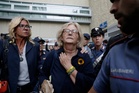
More than 3,890 days have passed since Italian Cambridge student Giulio Regeni was found dead in a ditch near Cairo, his body riddled with signs of torture.
After a long, 10-year wait, three senior Egyptian security agents were convicted of aggravated kidnapping of the 28-year-old postgrad student, who was carrying out research for his PhD at Cambridge’s Girton College. A fourth defendant was aquitted of murder.
Regeni’s mutilated and half-naked corpse was discovered in a ditch in a highway near the Egyptian capital on 3 February 2016. It was covered in bruises, with broken ribs, arms, legs and fingers, stab wounds on the soles of his feet and burn marks from brandings all over his body.
Prosecutors argued the Egyptian police believed he was a British spy investigating the country’s independent trade unions, a highly sensitive subject. Egyptian authorities denied all involvement, and say Regeni was killed by gangsters.
General Intelligence Major Magdi Sharif, police Colonel Hisham Helmy and Colonel Ather Kamal, a former head of investigations in Cairo, were sentenced to 10 years in prison for Regeni’s abduction, but not for his death. Major General Tarek Sabir, the former head of state security, was acquitted.
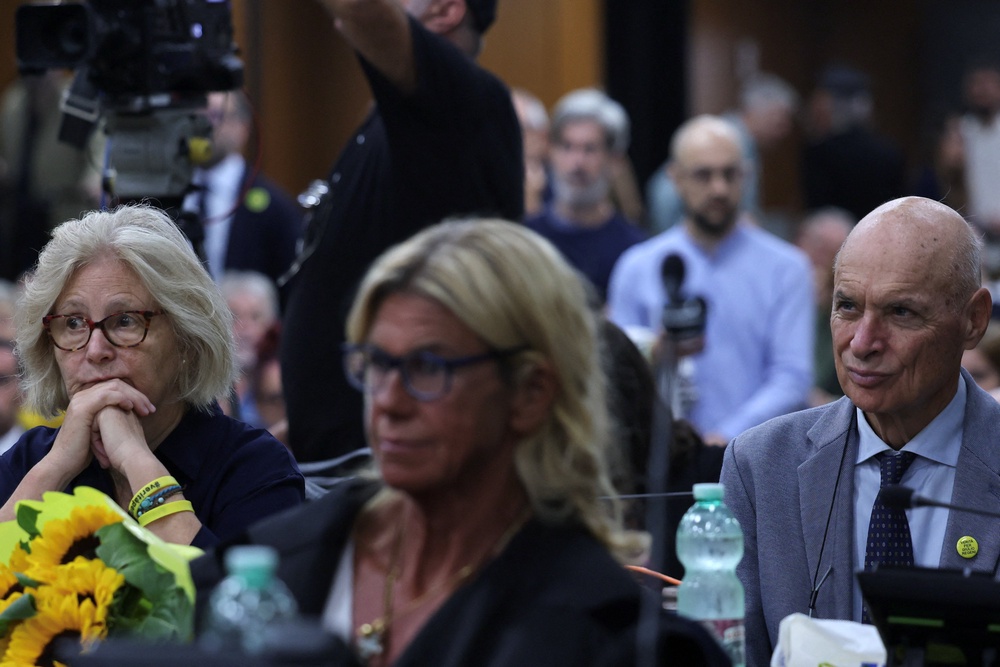
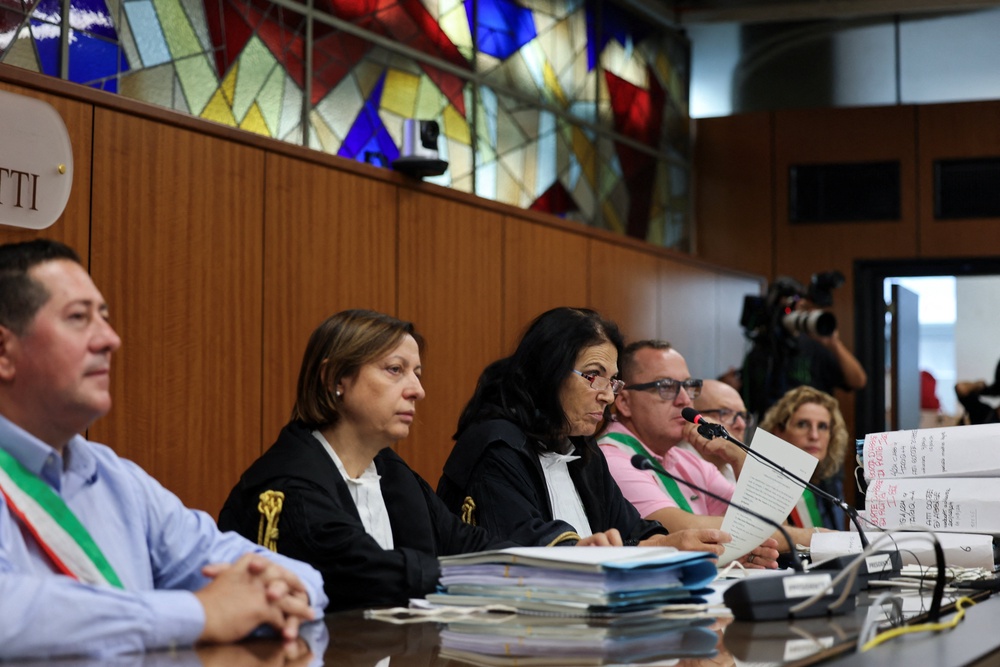
The four Egyptians have never responded publicly to the accusations and were tried in absentia under Italian law that allows for the prosecution of crimes committed abroad against Italian nationals.
Regeni disappeared in the Egyptian capital on January 25, 2016. His body was found more than a week later.
"That day," said the prosecutors office according to Ansa, "the Italian researcher unknowingly entered a shadowy zone where law ceased to exist and only naked force took its place. From that moment, Giulio was no longer a person. He became a kidnapped body.”
The Egyptian authorities flat-out deny that they had ever held Regeni in custody, claiming that undercover agents of the Muslim Brotherhood in Egypt had committed the crime in order to destabilise Egyptian-Italian relations.
In March 2016, Egyptian police said they killed four men in a shootout who they alleged were responsible for kidnapping Regeni. The country’s interior ministry said the gang was notorious for abducting foreign nationals before stealing their money.
The Italians prosecutors remained unconvinced, and investigations into his death continued in Rome. Journalist Declan Walsh of the New York Times was told by sources that the gang of four were executed, rather than being killed in a shootout. The New Cairo prosecutor's office denied in a later report that the gang was behind Regeni’s murder.
Regeni’s death remained shrouded in confusion, with claims and counter-claims coming from Cairo and Rome.
But in April 2016, a report by the Reuters news agency appeared to bomb the Egyptian claims that they had not arrested Regeni, with three Egyptian intelligence officials and three police sources independently saying police had held him in custody at some point before his death. Cairo continued to deny the claims.
The evidence continued mounting. In 2017, Walsh published quotes from an Obama administration official who claimed that the US had "explosive proof that Egyptian security officials had abducted, tortured and killed Regeni" and that "Egypt's leadership was fully aware of the circumstances".
But it would not be until November 2020 that Italian magistrates finished the investigation and charged the Egyptian security officials. The Foreign, Commonwealth and Development Office (FCDO) declined to comment.
The trial of four Egyptian officers was initially due to begin in October 2021, before Rome’s Third Corte d'Assise ruled that the trial could not start because the accused had not been notified about their charges. After two years of legal wrangling, the Constitutional Court overturned the ruling - and the trial started for good in February 2024.
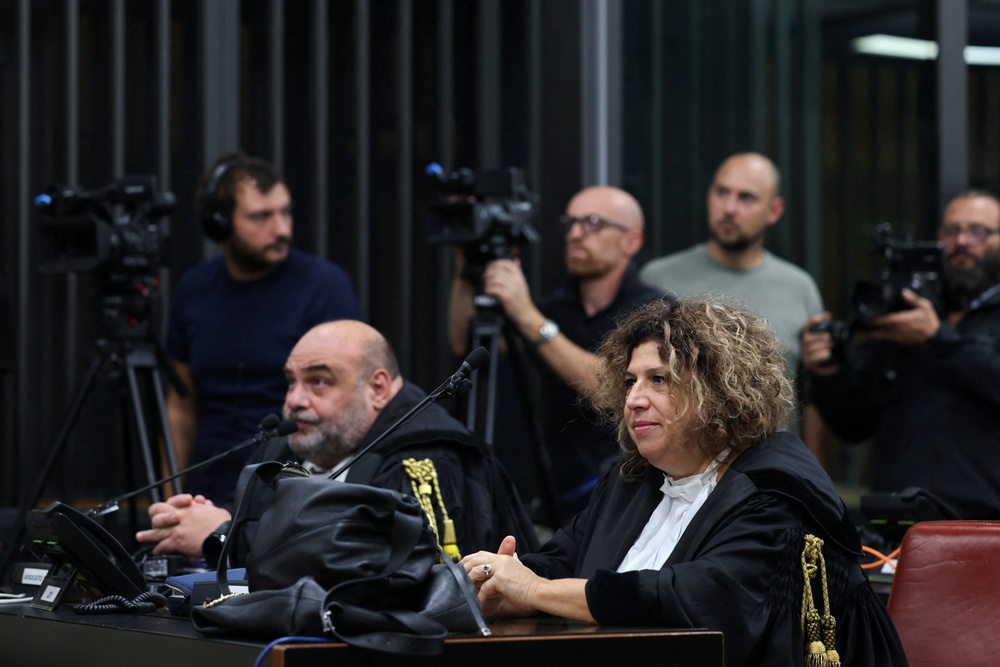
The case went on for two years, concluding finally this summer. In his summing up, deputy chief prosecutor Sergio Colaiocco said: "The dramatic truth is that this crime was not committed by criminals, but by men of the state, those to whom the state entrusts the legitimate use of force.”
In June, for the first time in the trial and with the consent of Regeni's family, prosecutors showed the court images from the autopsy. Colaiocco said the injuries proved the student had been tortured over several days while fully conscious.
"Giulio endured everything while conscious. Without sedation. Without drugs. Without any relief," he said. "These were not beatings. This was a method of annihilation."
It was a devastating time for the Regeni family. Their lawyer, Alessandra Ballerini, said his relatives fought “barehanded against the regime” but were never “tainted by hatred”and never sought “revenge or punishment”.
But he said the family has “not been spared any torment” during the trial.
“We have had to meet with government officials, including Egyptian representatives; [the family] have been spared nothing,” Ms Ballerini said. “We have suffered persecution and threats."
The arduous, decade-long battle for justice has now reached its conclusion.
"The Egyptian regime has done everything it could to prevent this trial, but this family is resilient. The Regenis did it for us, and if our rights are worth a little more today, it is thanks to them," Ballerini added.
The case has strained the relationship between Rome and Cairo as investigators reached sharply different conclusions in their investigations.
Italian foreign minister Antonio Tajani visited Egyptian president Abdel Fattah El-Sisi earlier this month, with Cairo afterwards hailing the “remarkable development witnessed in bilateral relations across various fields”.
But a guilty verdict for three senior Egyptian secret service officials could yet again complicate an already highly fragile relationship.
Read MoreMediators are working to broker a US-Iran deal, but major hurdles remain
Rome court sentences 3 Egyptian security officials to 10 years over Giulio Regeni's abduction
Ethiopia’s army chief accuses Eritrea, Sudan and Egypt of supporting Tigray rebels
Ukraine war live: Putin places new restrictions on oil refineries amid Kyiv’s strikes
Russia preparing to deploy 10,000 North Korean troops, warns Zelensky
Life in the village on the edge of Russia where locals fear the next hybrid attack