Table of Contents
Anne Hathaway leads frequently absurd family drama consumed by prehistoric chaos
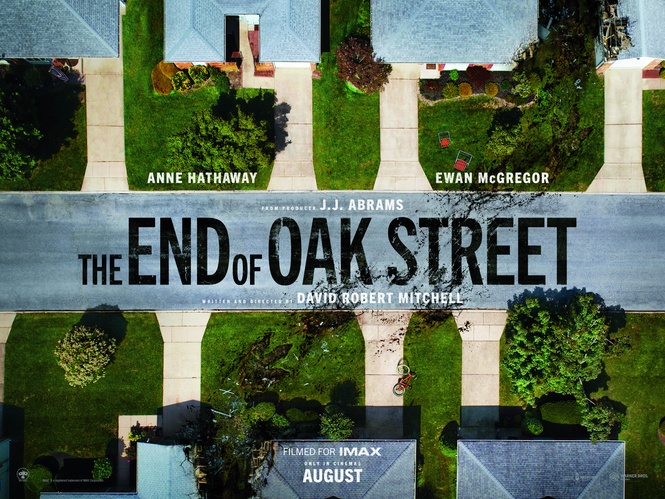
DAVID Robert Mitchell’s The End of Oak Street begins with an already troubled suburban household before introducing the sort of problem that makes unemployment and marital tension seem almost manageable: The neighbourhood gets transported millions of years into the past.
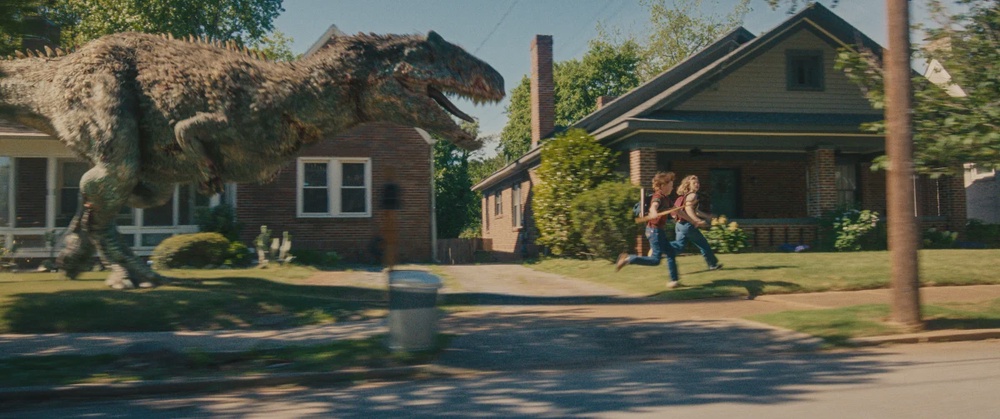
It is a ridiculous premise and The End of Oak Street never pretends otherwise. Yet, Mitchell directs the ensuing chaos with enough conviction to prevent it from becoming a complete joke. The characters may be fleeing dinosaurs across an American suburb, but their fear, grief and family disputes are treated with absolute seriousness.
The combination produces a fun, frequently stupid and surprisingly tense adventure.
Suburban disaster
The film follows aspiring novelist Denise Platt (Anne Hathaway), her husband Greg (Ewan McGregor) and their children Audrey (Maisy Stella) and Brian (Christian Convery). Their marriage is deteriorating way before Oak Street is swallowed by a wormhole and deposited in a prehistoric landscape.
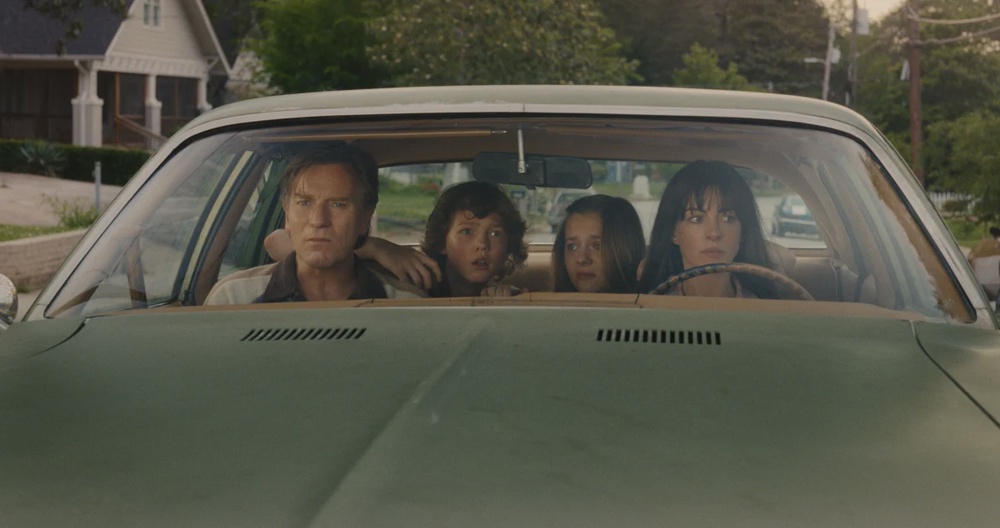
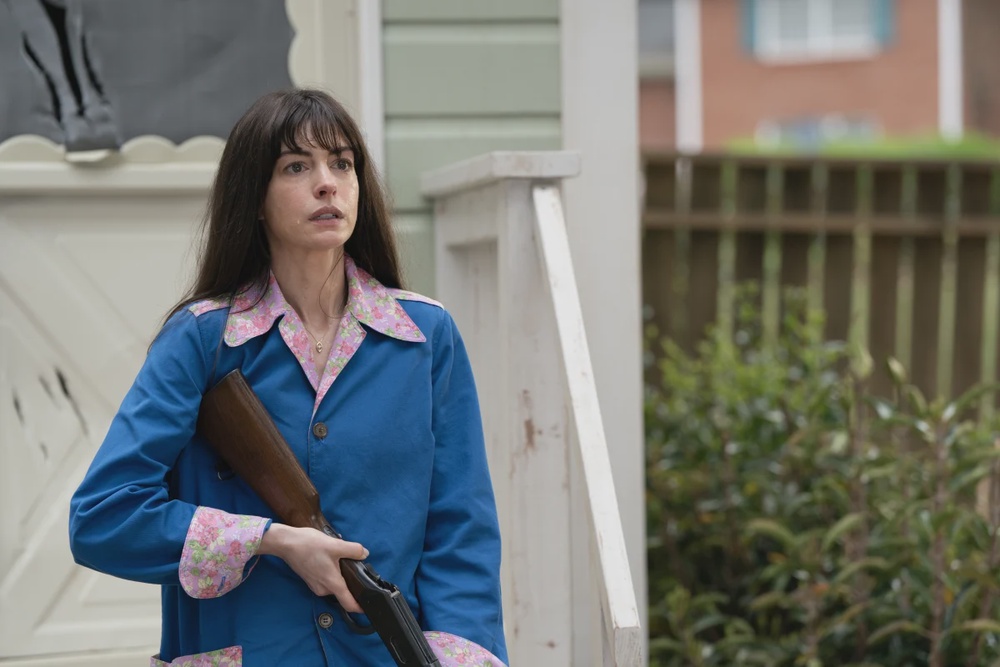
Hathaway is the strongest member of the cast, perfectly capturing Denise’s frustration as a creatively unfulfilled housewife contemplating divorce. Her performance gives the family drama some substance even when the screenplay begins throwing dinosaurs, giant reptiles and increasingly questionable decisions at her.
McGregor is fine as Greg, an unemployed father concealing his situation by pretending to work as a pizza delivery driver. His American accent occasionally slips, but he shares enough chemistry with Hathaway to sell the couple’s resentment and lingering affection.
Stella’s Audrey lacks conviction and motivation while Convery’s Brian is responsible for The End of Oak Street’s most infuriating decision. He leaves the safety of the house during a dinosaur apocalypse to chase the family dog.
The story needs him outside to get the adventure moving, but the writers could have found a more convincing reason. The tension between his parents could have driven him to act out or flee the house, giving his recklessness an emotional foundation. Chasing a dog into a landscape crawling with prehistoric predators makes him appear catastrophically stupid.
He is not alone. People spend an astonishing amount of time running outdoors despite knowing that the neighbourhood has become an all-you-can-eat buffet for dinosaurs.
Prehistoric threats
The creatures are nevertheless menacing enough to keep the danger convincing. One of The End of Oak Street’s eeriest images involves a massive dinosaur creeping through the background while the characters remain unaware of its presence. Its slow approach recalls the eerie demon from Mitchell’s It Follows (2014), advancing in the distance as its intended victims remain oblivious.
A giant snake slithering through a house borders on absurdity, but the confined setting and its slow movement create several spine-chilling moments. These sequences reveal the creature feature hiding beneath the family adventure.
Mitchell draws heavily from Steven Spielberg and the Amblin films that defined 1980s suburban fantasy. Its mixture of domestic problems, endangered children and impossible science recalls the wacky premises of films such as Honey, I Blew Up the Kid (1992), only with a much higher body count.
The End of Oak Street definitely has Cloverfield (2008) DNA. With J.J. Abrams among the producers, flurries of mysterious flashes, a neighbourhood-scale catastrophe and enormous creatures appearing without warning, this is definitely a stealth entry into the Cloverfield cinematic universe. The film never names the franchise, but it shares its habit of dropping ordinary people into a monster disaster before refusing to explain much.
Additionally, Michael Gioulakis’s cinematography reinforces the period setting through pronounced film grain, warm suburban imagery and compositions reminiscent of older adventure films. The constantly changing aspect ratio is stranger and occasionally distracting, although it contributes to the sense that the film is borrowing from several cinematic eras at once.
Broken timeline
The time-travel mechanics are best accepted without thinking too much about them. Paradoxes appear almost immediately once the family finds a route home.
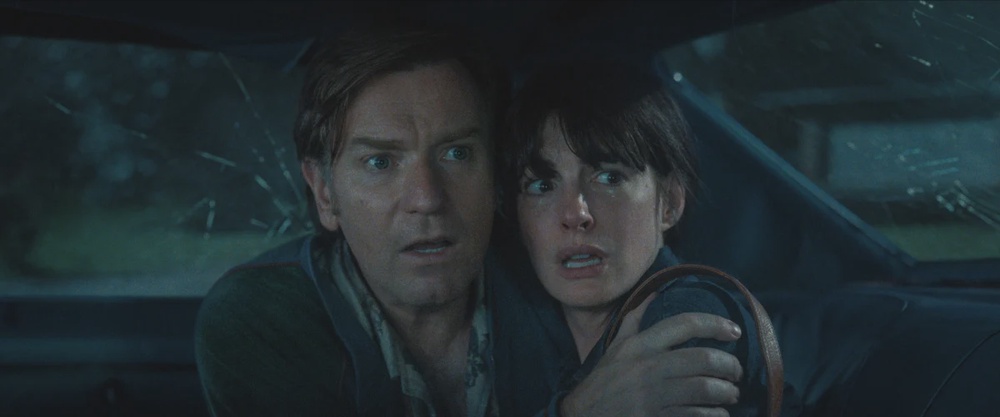
their family alive.
Their return to the present seems dependent upon events that only occurred because they travelled back in the first place. The ending also leaves two versions of Jeannette (Jordan Alexa Davis) existing simultaneously – a completely unhinged consequence that the film barely acknowledges.
Mitchell is far more interested in emotional reconciliation and dinosaur mayhem than constructing consistent rules. The End of Oak Street viewers willing to accept that approach will find an energetic 99-minute adventure with strong creature sequences and decent performances.
The End of Oak Street is unserious entertainment presented with a straight face. Its plot is absurd, its characters frequently make foolish decisions and its timeline collapses under the slightest scrutiny. It remains a pretty fun watch.
READ MORE: