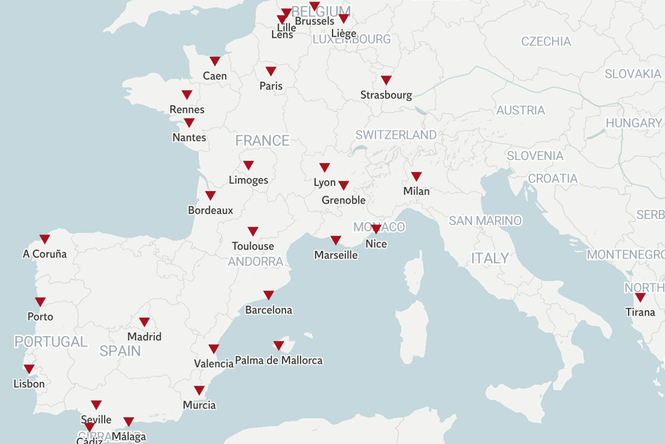
Violent protests have broken out across Europe amid growing frustration over the cost of living crisis, a lack of affordable housing and deteriorating school conditions.
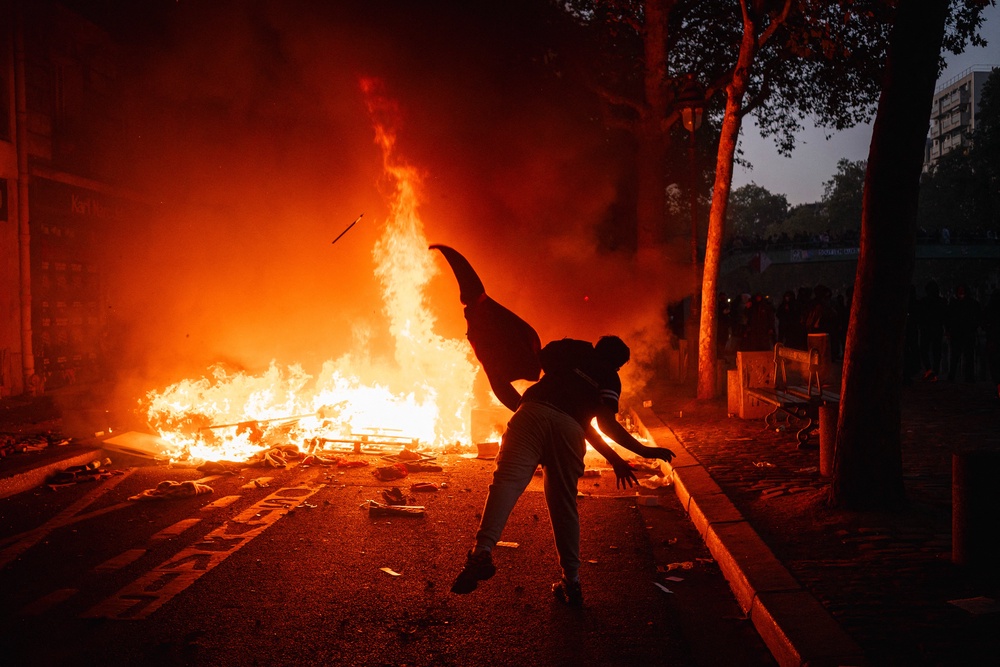
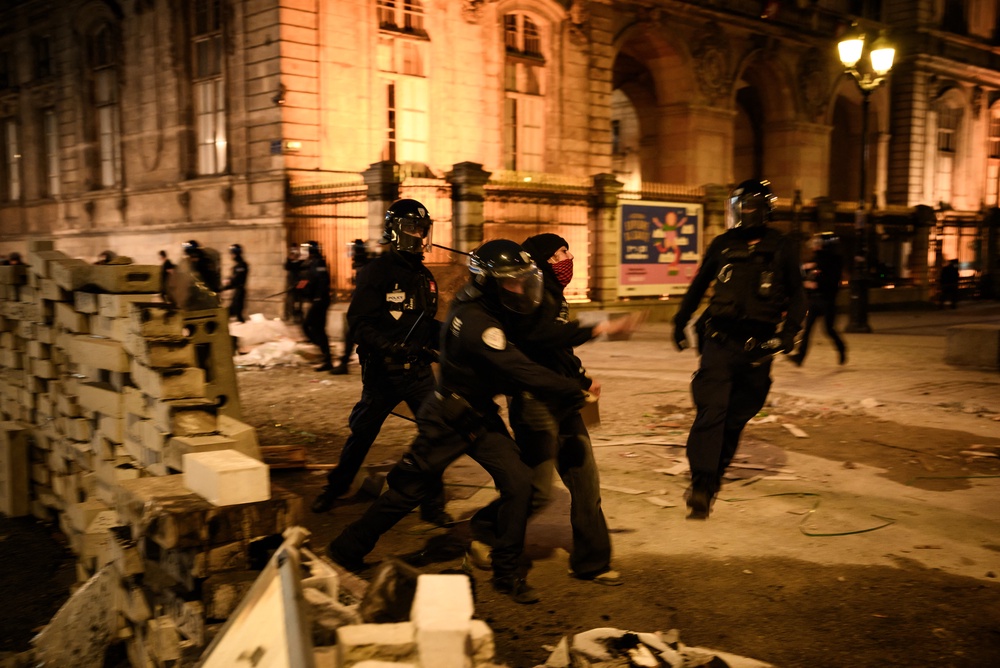
As many as 550,000 people turned out across France on Saturday, according to authorities, to demonstrate against declining public services. Protests turned violent in Paris as shops were looted and cars set on fire in some of the city’s worst violence in years.
Young people waved Italian flags and let off flares in Milan as they rallied against the rising cost of living in scenes that were condemned by prime minister Giorgia Meloni.
Police used water cannon and teargas to break up the crowds after some masked rioters clashed with authorities and set off fires.
Tens of thousands of people meanwhile marched through central Lisbon in protest of the soaring cost of living and a deepening housing crisis, echoing weeks of demonstrations in Spain that prompted prime minister Pedro Sanchez to call a snap general election.
Pressure was also on Albania’s prime minister Edi Rama after a sixth consecutive day of protests over poor university conditions, high tuition fees and corruption, which saw hours-long violent clashes with police on Sunday.
France
France continues to be rocked by mass protests taking place nationwide, gathering momentum from student-led demonstrations that began last month in response to overcrowded classrooms and teacher shortages.
Authorities said more than half a million people turned out to march on Saturday, including 110,000 in Paris alone. Organisers put the figure closer to 800,000.
While hundreds of thousands protested peacefully across France on Saturday, violent fringe groups targeted public buildings, looted luxury boutiques and supermarkets, and attacked police vehicles and officers.
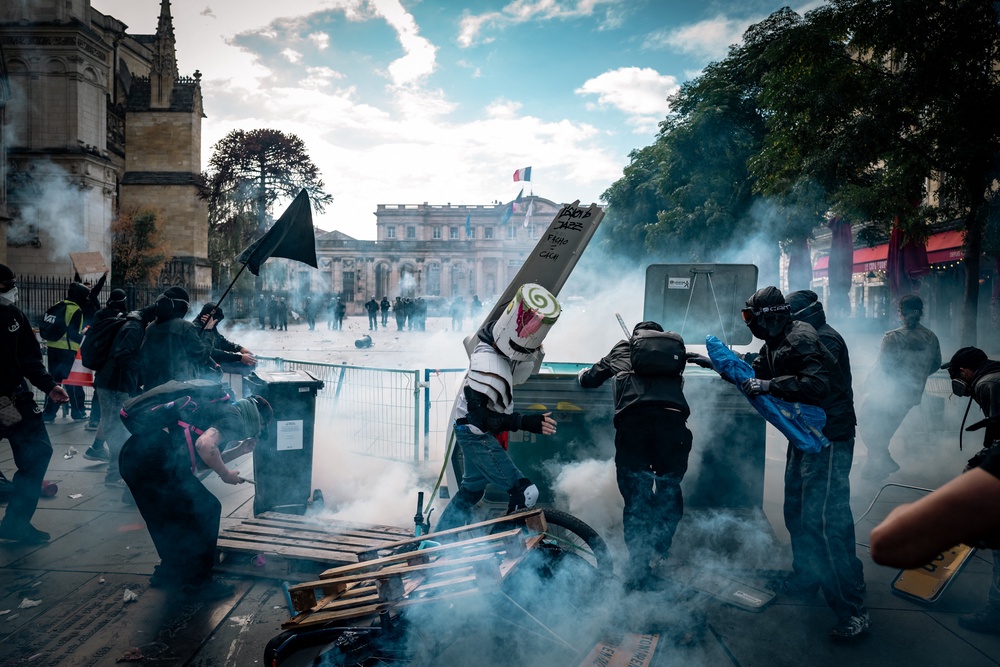
French president Emmanuel Macron appealed for calm on Sunday as some of the protests boiled over into violent clashes with police. The government has blamed the violence on what it said were ultra-left groups, as well as criminals it said had instigated the looting.
More than 2,400 people were arrested across France, while nearly 1,000 officers were injured, according to the government. Police fired teargas in Paris on Sunday afternoon and protesters set fire to piles of bicycles.
One protester died on Saturday after suffering a cardiac arrest during demonstrations in the capital.
Spain
Tens of thousands of people have turned out across Spain in recent weeks following the eviction of 87-year-old Maria del Carmen Abascal, known as Maricarmen, from her Madrid home.
The pensioner was forcibly removed from her flat of 70 years after the property was bought by the investment firm Urbagestion, which tried to increase her rent by 230 per cent. She died suddenly in early October, two weeks after she was evicted.
Maricarmen’s death reinvigorated a movement long frustrated by home shortages and surging rents across the country.
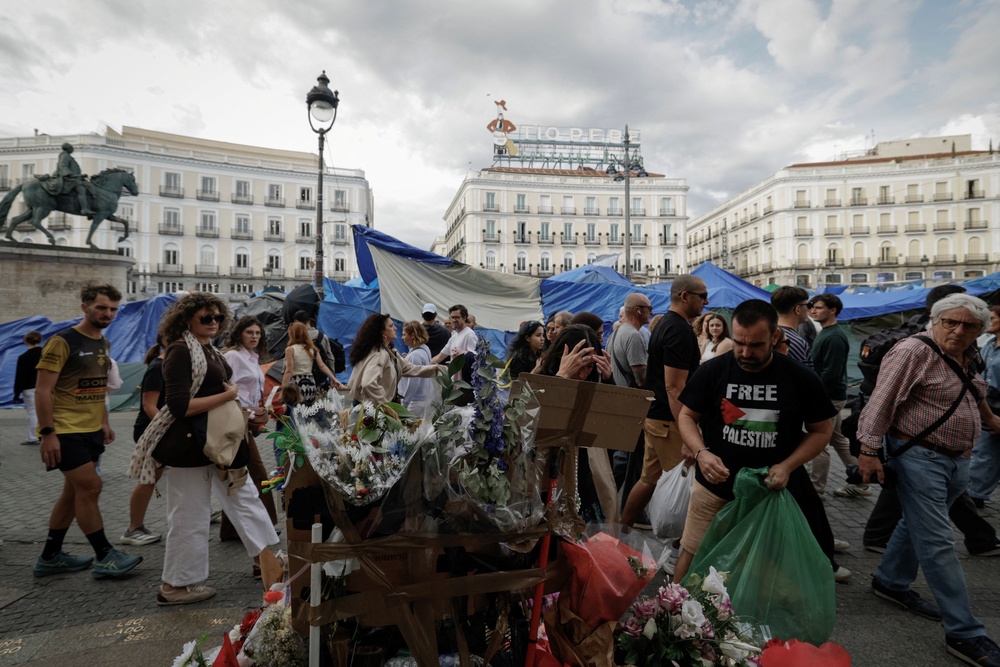
Socialist prime minister Pedro Sanchez last month called a snap general election for 29 November after parliament rejected his government’s proposals to address a mounting housing crisis.
Several people who received eviction orders have died by suicide in Spain in recent months.
Italy
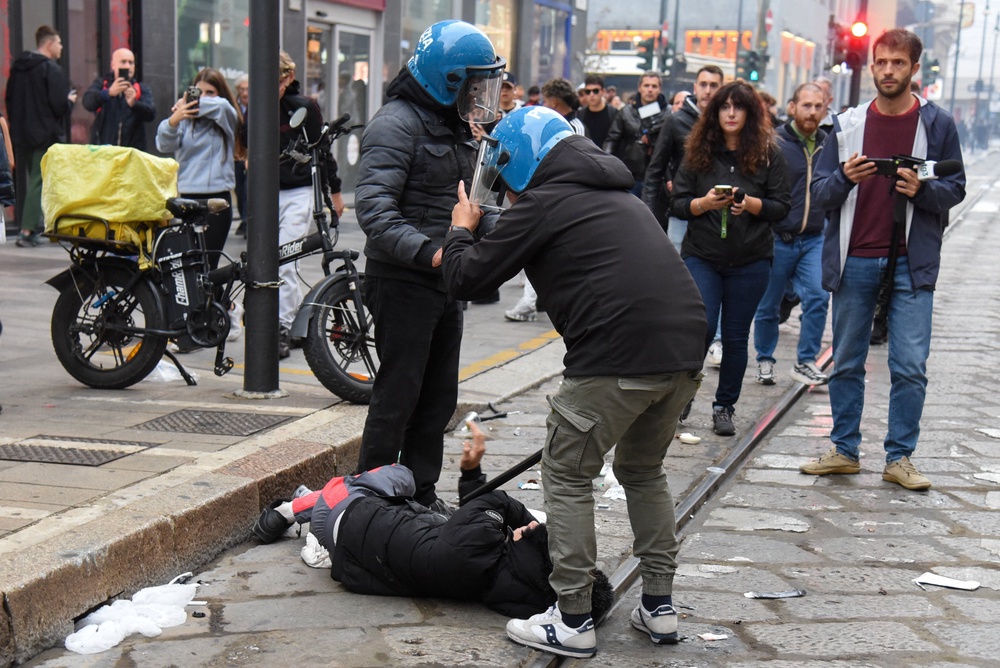
Milan police clashed on Sunday with protesters throwing stones and looting shops during demonstrations against crumbling public services and the rising cost of living, a day after similar unrest in several Italian cities.
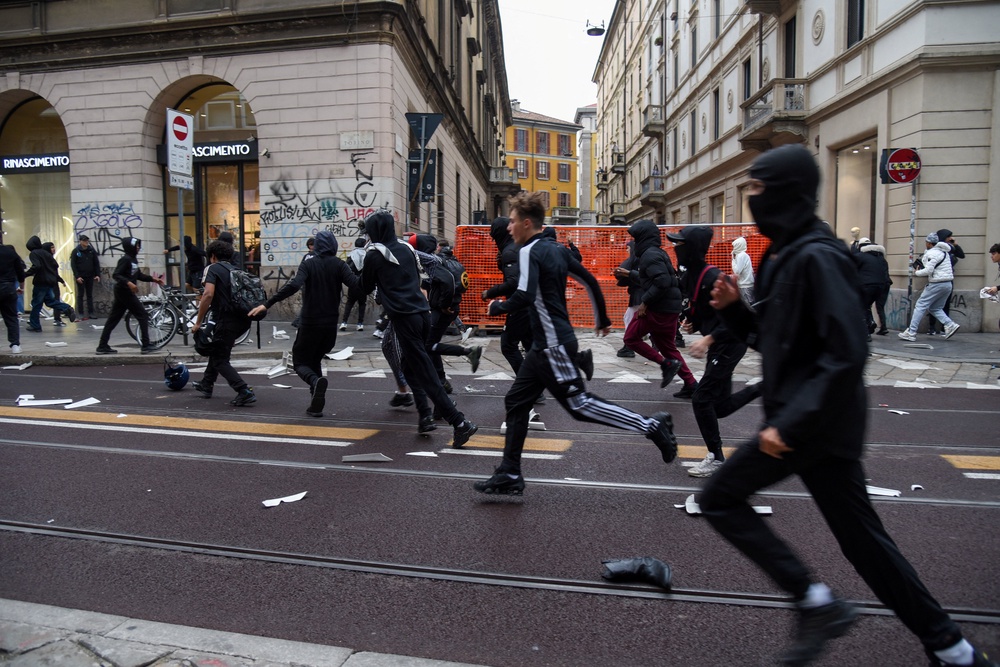
Police in riot gear fired teargas and used water cannons after several hundred hooded protesters broke shop windows and set bins on fire in the area near central Piazza Duomo, sources told Reuters, adding that more than 60 protesters had been detained for checks.
A total of 28 protesters were arrested after similar clashes erupted on Saturday in northern cities including Milan, Bologna, Brescia, Bergamo and Turin, according to a police report on Sunday.
Ms Meloni, facing an election next year, condemned the violence and announced a government meeting on Monday to discuss how to address the situation.
Portugal
Tens of thousands of people also marched through central Lisbon on Saturday to protest soaring living costs amid a deepening housing crisis.
Portugal's biggest union, CGTP, which called the rally, said “many tens of thousands” packed one of the capital's main avenues.
Protesters say low wages are failing to keep pace with housing costs and the rising cost of living, leaving many people struggling to make ends meet.
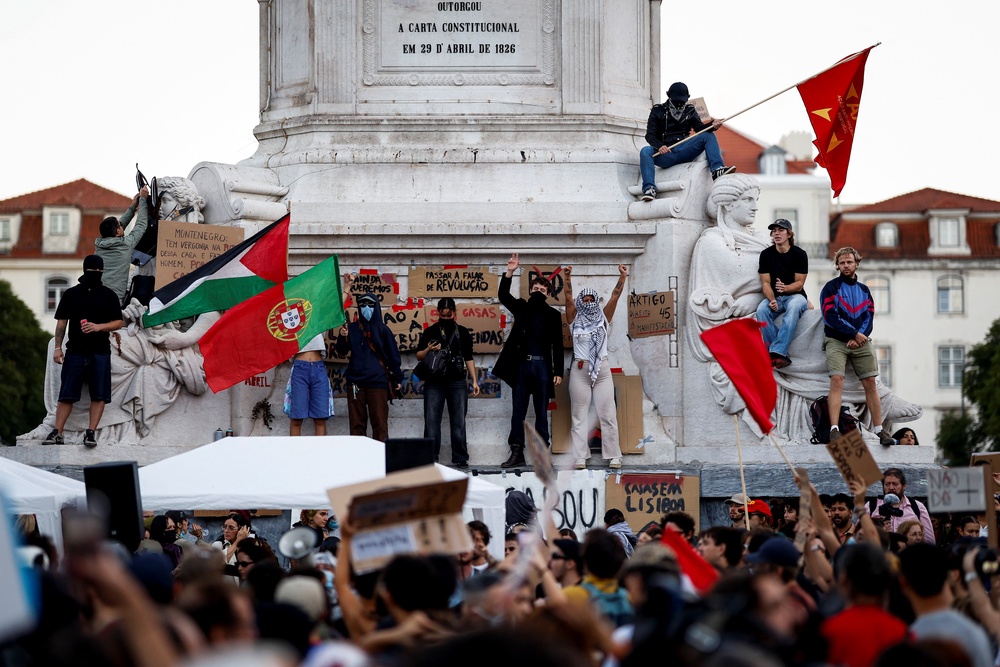
The demonstration followed days of growing unrest, including a tent camp set up by housing activists in the northern city of Porto that police cleared in a pre-dawn operation on Monday.
Portugal’s inflation hit 3.6% in September, driven by rising food and fuel prices, the latter up 15% year-on-year following an increase in tensions in the Middle East.
Serbia
Tens of thousands of people are expected to march in Serbia’s capital Belgrade on Thursday as part of an election rally led by student activists.
For nearly two years, Serbian university students have driven mass anti-corruption protests. Now they share a broader aim: defeating the nation's powerful populist leader Aleksandar Vucic in this weekend's early parliamentary election.
Following the 25 October vote, the former authoritarian president is seeking a return as prime minister to extend his right-wing party's 14-year rule. Having previously rattled the populists during their demonstrations, Serbia's youth movement is the sole barrier in his way.
Unlike high school students in France who are rallying for better education, Serbia's student movement started out as a struggle for justice after a train station tragedy in the country's north killed 16 people in November 2024. The students' call for accountability for the deaths, which they blamed on rampant corruption, found widespread support. Protests spread, forcing a government collapse and rattling Vucic.
Much is uncertain ahead of Sunday's vote. Tensions remain high alongside the stakes. Vucic's Serbian Progressive Party, or SNS, and the student-supported Students' List are thought to be running close, leaving the outcome uncertain and raising fears of potential violence.
Read MoreMacron accused of being ‘out of touch’ for Kuwait trip as France gripped by violence
The mysterious cave emerging as one of the world’s most culturally significant places
How Serbia's protesting students became key to the upcoming elections
French mayor calls for Notre Dame-style rebuild after rioters set town hall ablaze
Two killed and thousands evacuated after Storm Adam batters Spanish coast
Ukraine war live: Kyiv ‘has reclaimed more land than Moscow has captured in autumn’