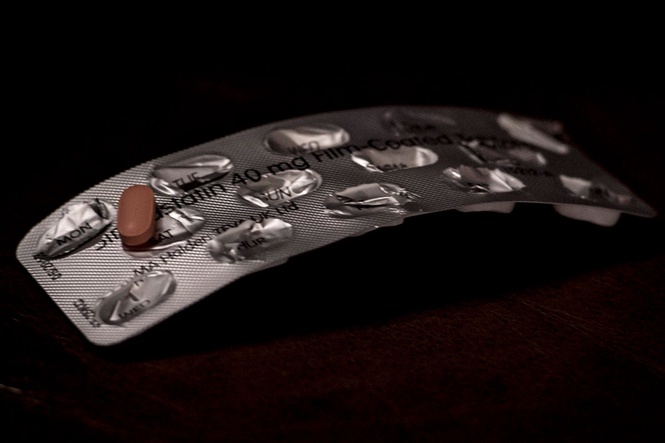
- A single dose of an experimental jab reduced “bad” cholesterol levels by 52 per cent within six months in a small Chinese gene-editing trial.
- Tested by researchers at Shanghai Jiao Tong University, the therapy is being developed for the treatment of familial hypercholesterolemia, a life-threatening hereditary disease that causes abnormally high levels of fats in the blood.
- Scientists modified a bacterial enzyme to target human DNA, particularly the PCSK9 gene in liver cells, to weaken its cholesterol production ability.
- Three patients receiving the highest dose experienced a 74 per cent drop in PCSK9 enzyme activity and a 52 per cent decrease in “bad” cholesterol levels within six months of starting treatment.
- Some participants said they experienced mild side effects like fever and muscle aches, which resolved within 24 hours, and no other adverse events were reported.
IN FULL