
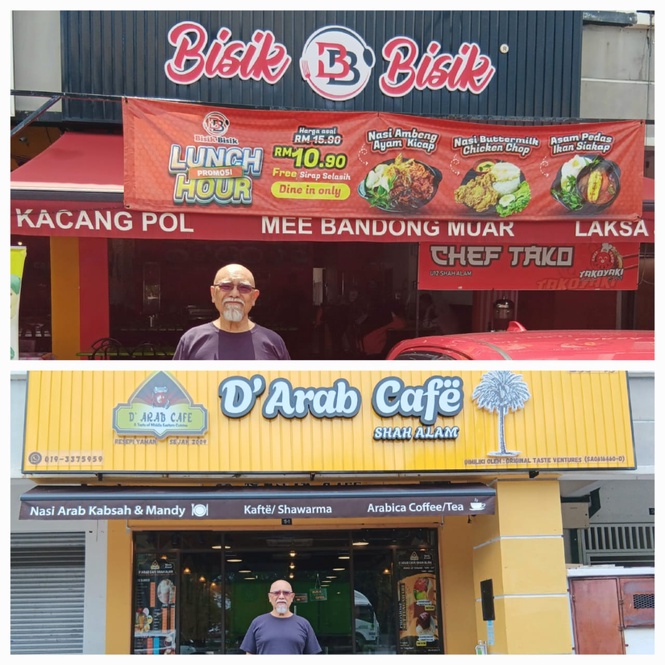
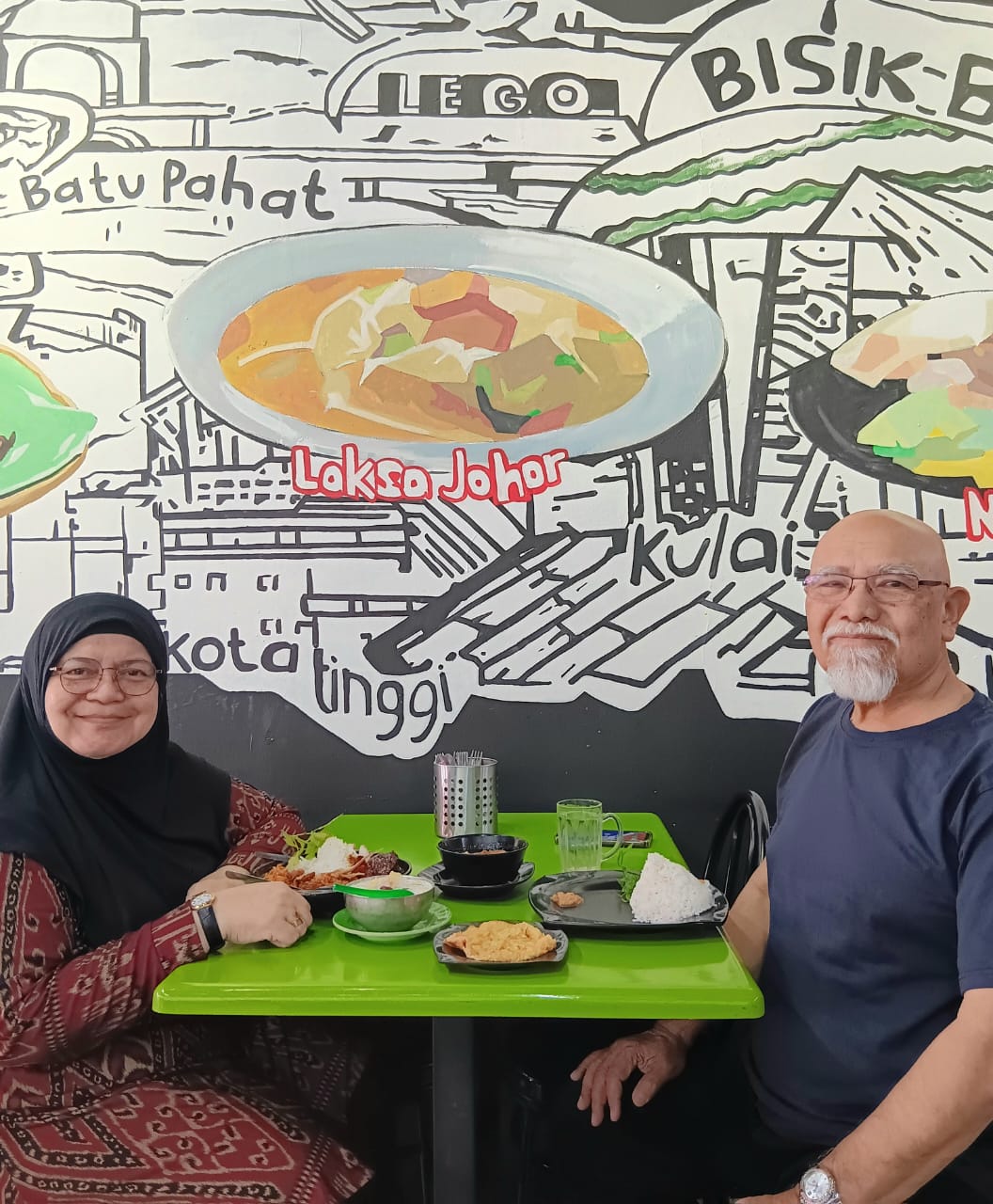
According to the Department of Islamic Development Malaysia (JAKIM) that “Halal extends beyond dietary laws to include all the various products and services such as food, cosmetics, pharmaceuticals, and banking & financial services. Consequently, halal-certified goods are increasingly popular among both Muslims & non-Muslim consumers, driven by a demand for ethical & high-quality products. This growth underscores halal industry's potential to shape consumer behaviours and ethical standards across the multiple sectors.” (https://www.islam.gov.my)
Despite this, some indigenous communities express skeptism regarding halal products. This skeptism is primarily rooted in concerns over halal goods produced by non-muslim manufacturers & the lack of recognised halal certification labels. Such doubts can obstruct the acceptance and growth of halal products within these communities, highlighting the need for transparent certification processes and improved education about halal practices. So, more deeper dialogues involving from both Muslim & non-Muslim participants need to be organised regularly to explore their attitudes towards halal products, purchasing motivations, perceptions of quality and ethics.
Datu Aleem Siddiqui Guiapal, Program Manager of Halal Industry Development and Trade with the Philippines' Department of Trade and Industry said, “Based on my past years of work experiences, addressing transpatency in halal certification, enhancing education on halal practices, fostering cultural sensitivity among scholars & businessmen are vital for building trust within skeptical communities.”
Aleem who was the guest of honour and speaker during the 6th Global Travel Exchange in KL with the theme 'Strengthening Global Connection' strongly emphasised that “Collaborative partnerships among halal producers, indigenous communities & market players can create shared knowledge, innovations, and expanding the halal industry's reach to positively impacting the global halal economy.”
I agree with Datu Aleem, like in the case of food, Islam generally considers every food halal unless it is specifically prohibited in hadith or the Quran. I can still remember clearly that JAKIM has classified “Halal foods are those that the source made, produced, supplied, manufactured, processed & stored using machiney, equipment, and utensils that have been cleaned according to Islamic law (shariah).”
Zulkifly Baharom is a content creator under the Newswav Creator programme, where you get to express yourself, be a citizen journalist, and at the same time monetize your content & reach millions of users on Newswav. Log in to creator.newswav.com and become a Newswav Creator now!
The User Content (as defined on Newswav Terms of Use) above including the views expressed and media (pictures, videos, citations etc) were submitted & posted by the author. Newswav is solely an aggregation platform that hosts the User Content. If you have any questions about the content, copyright or other issues of the work, please contact Newswav.

