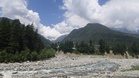
There was a time when travelling to the mountains was an act of discovery rather than consumption. Visitors arrived in small numbers, drawn by the promise of crisp air, quiet forests, winding trails and breathtaking landscapes. They wandered through village markets, chatted with local residents, learnt about regional traditions and returned home carrying memories instead of leaving behind waste.
Tourism, in those days, left only a light footprint. Mountain communities continued their daily lives with little disruption and visitors were welcomed as guests. The relationship between travellers and residents was built on curiosity, courtesy and mutual respect.
Over the years, however, the character of mountain tourism has changed dramatically. Better roads, affordable transport, social media and the rapid spread of hotels and homestays have made even the remotest corners of the Himalayas easily accessible. The economic benefits have been undeniable. Tourism has created livelihoods, encouraged entrepreneurship and improved connectivity for many hill communities.
Yet this growth has also come at a cost.
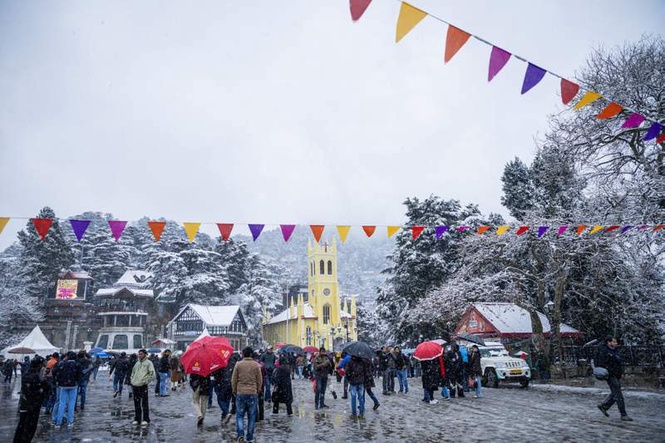
For a growing number of visitors, the journey is no longer about experiencing nature but consuming it. The silence of mountain valleys is interrupted by loud music. Rivers become picnic sites strewn with plastic. Roads choke with traffic during peak seasons, while forests and viewpoints struggle under the weight of unchecked crowds. In many places, the pursuit of the perfect social media post has begun to overshadow any genuine appreciation of the landscape itself.
Equally concerning is the disregard shown towards local culture. Customs, traditions and community sensitivities are too often ignored in favour of momentary entertainment.
The people of the hills have long been celebrated for their hospitality. Across the Himalayas, strangers have traditionally been welcomed with warmth, meals have been shared freely and visitors treated with generosity. Hospitality has never been viewed simply as a commercial service but as an enduring cultural value.
Unfortunately, a small minority of travellers mistake this kindness for weakness. Believing that paying for accommodation or food gives them licence to behave however they wish, they leave litter behind, ignore local regulations, drive recklessly and disrespect public spaces. Their actions reflect a misunderstanding of what it truly means to be a guest.
It is important, however, to place the blame where it belongs. Most visitors are thoughtful, responsible and genuinely interested in the places they explore. They respect local customs, care for the environment and contribute positively to local economies. The problem lies with a highly visible minority whose irresponsible behaviour damages both fragile ecosystems and the reputation of tourism itself.
Another misconception deserves to be challenged. Many outsiders assume that mountain communities exist solely because of tourism. Nothing could be further from the truth. Long before visitors arrived in large numbers, hill families sustained themselves through farming, orchards, livestock, craftsmanship and trade. Tourism has added new opportunities, but it has never defined the identity, dignity or resilience of mountain societies.
The hills are far more than scenic destinations. They are homes, living cultural landscapes and places shaped by centuries of history. Ancient temples, local traditions and close-knit communities continue to define everyday life. Even those who move away for education or employment often remain deeply connected to their ancestral villages.
Visitors who arrive with humility will always find a warm welcome. Hospitality remains one of the defining virtues of mountain life. But hospitality should never be mistaken for permission to ignore local norms or exploit the goodwill of residents.
The message is straightforward: visit the mountains as a guest, not as a consumer. Respect the people who call them home. Protect the forests, rivers and trails that make them special. Recognise that these landscapes are not amusement parks but fragile environments and thriving communities.
When practised responsibly, tourism can be a powerful force for economic opportunity, cultural exchange and environmental awareness. But when it becomes careless, arrogant and destructive, it threatens the very places that inspire people to travel in the first place.
The mountains do not need visitors who leave behind noise, pollution and disrespect. They need travellers who understand that the greatest journeys are measured not by the photographs they collect, but by the respect they show and the legacy they leave behind.