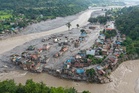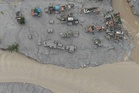
EVENTS of this past week have drawn the dramatic consequences of climate into painfully sharp focus, as the world watched in astonishment as a massive glacial flood tore through communities in Nepal and neighboring areas in Tibet. And in horrifying news late on Thursday, Chinese authorities issued an urgent warning about another similar meltwater lake building up in a high valley in the same region, which will almost certainly result in another flood. These are caused by rapid melting of the high glaciers in the Himalayas, because the region is warming at a faster pace than most of the rest of the world.
Even here in Metro Manila and surrounding provinces, yesterday (Friday) was compromised in a very small way by climate-induced volatile weather, although in a way that is obviously inconsequential to what the people in Nepal have experienced. In anticipation of heavy rains, classes were again suspended across the region, disrupting daily routines and likely costing the economy billions. That is not to say the preemptive measure wasn’t prudent, as the rains did come, at least in some areas, but it highlights another threat to well-being from climate change and its increasingly obvious effects.
No matter what the calamity, whether severe storms, floods, wildfires and the unhealthy pollution they can spread for hundreds of kilometers, heat waves or cold spells, there are only two methods available for keeping safe: evacuate to a safer location, as Chinese officials are now racing to do with communities that will be impacted by the expected new flood; or stay home, as our officials decided was the best method to keep millions of students safe from expected heavy rains yesterday.
This guidance, one way or the other, addresses the immediate risk to life and limb, but it includes an often-overlooked public health risk. Numerous studies have found that climate-fueled extreme weather can breed loneliness and isolation, which experts say hinders community connection, mental health and physical well-being. It works in two different directions. People living alone have a much higher risk of dying during heat waves, severe storms and floods, and the risk is even greater for the elderly. On the other hand, disrupting the social and community environment due to evacuation can be as mentally destabilizing as being isolated.
For example, a 2026 paper published in the journal Nature Health found that people who are displaced due to evacuation or climate-forced migration experience intensified feelings of loneliness and isolation, even if they remain with familiar people; the study concluded that climate change is creating “a profound psychological, behavioral and social crisis.” Similarly, a 2025 study published in the same journal examined households in Australia affected by climate-related disasters such as bushfires and floods, and found that these events were associated with an increase in loneliness and a decrease in social functioning for up to two years after.
These mental and emotional impacts are not to be taken lightly. A 2023 study by the office of the US Surgeon General found that loneliness is linked to “a greater risk of cardiovascular disease, dementia, stroke, depression, anxiety and premature death.”
The problem of loneliness and social isolation may be downplayed here in the Philippines, as we have a culture of strong family ties that means comparatively fewer people are likely to be alone than in other countries. Mental health, although old taboos about acknowledging and addressing it are gradually disappearing, is still an uncomfortable subject for many people, particularly in a society that prides itself on its “resilience,” and ability to “smile through adversity.”
The relationship between mental health and calamities has not gone completely unnoticed here. There have been numerous studies, and health professionals recognize it is as a legitimate public health burden. There have been, at times, proposals in Congress to include mental health screening and care in disaster relief planning and programs. However, the country is still falling woefully short of what is needed. According to the Philippine Mental Health Association, there are still only about two mental health workers per 100,000 population, and the Philippine Council for Health Research and Development has for several years urged the government to include standardized mental health and psychosocial support triage in evacuation center management.
The recent disaster in Nepal reminds us that the impacts of climate change are only going to become more severe, and they may become more severe suddenly, in some instances. If we are to recover, adapt and remain productive, the well-being of both body and mind of those most affected must be properly cared for.