In the vibrant tapestry of cultural festivals around the world, the Hungry Ghost Festival stands out as a unique and intriguing observance. Rooted in ancient Chinese traditions, this month-long event sheds light on the intersection of spirituality, superstitions, and communal practices. As we delve into the essence of the Hungry Ghost Festival, let's explore its origins, significance, and the superstitions associated with it.
Origins and Significance of Hungry Ghost
The Hungry Ghost Festival, also known as Yu Lan Jie or Zhong Yuan Jie, holds a prominent place in Chinese folklore and religious practices. This event takes place during the seventh month of the lunar calendar, which usually falls around the months of July or August. According to traditional beliefs, this is the time when the gates of the spirit world are thrown open, allowing restless spirits and hungry ghosts to roam the earthly realm.
The origins of the Hungry Ghost Festival can be traced back to Buddhist and Taoist beliefs. It's a time to honour deceased ancestors and appease wandering spirits through various offerings and rituals. While the primary purpose is to provide comfort and sustenance to the spirits, it's also a time for families to come together and express their filial piety.
In Malaysia, the Hungry Ghost Festival will fall on the 30th of August 2023.
Superstitions and Things To Avoid During Hungry Ghost Month
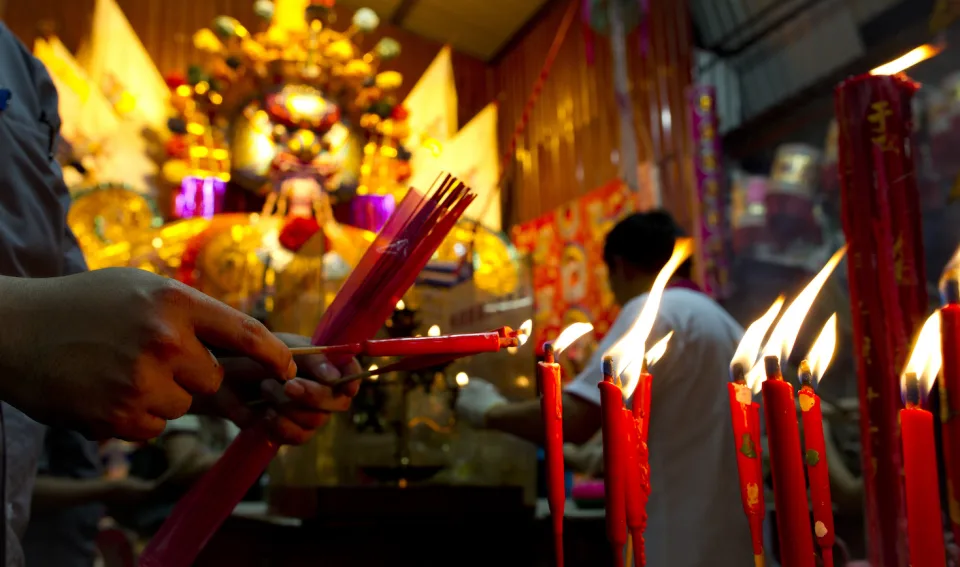
Respect the Offerings: One of the central aspects of the festival is the creation of offerings placed on roadsides and in front of homes. These offerings, ranging from food to incense, are meant to appease the spirits. It is considered disrespectful to touch, step over, or kick these offerings, as it may offend the wandering spirits.
Avoid Peeking: Looking under the prayer altar is believed to attract negative energy or even the attention of malevolent spirits. This action is generally avoided to prevent any unwelcome encounters.
Etiquette at Offerings: While attending rituals, it's essential to show respect. Avoid sitting on or leaning against the offering table, as this is regarded as disrespectful behaviour towards the spirits.
Seating Arrangements: During street performances or getais held in honour of the spirits, it's advisable not to sit in the front row. This is to avoid the possibility of unintentionally blocking the view of the spirits or encountering any restless entities.
Curfew Consideration: Staying out too late during the Hungry Ghost Festival is often discouraged. It's believed that during the nighttime, the presence of wandering spirits is more pronounced, and encountering them might lead to disturbances or negative experiences.
Cautious Sheltering: Finding shelter under trees or bus stops, especially at night, is advised against. These places are considered hotspots for spiritual activity, and standing there might attract unwanted attention from wandering entities.
Water Worries: Water-related activities such as swimming or boating are generally avoided during this time. It's believed that spirits might reside in bodies of water, and engaging in such activities might lead to unexpected encounters.
Silence is Golden: Talking to oneself is considered taboo during the Hungry Ghost Festival. It's believed that doing so might attract spirits or even indicate possession, leading to potential disturbances.
Colour Consciousness: The colours you wear can have symbolic significance. Red and black are often associated with mourning and bad luck, so it's better to opt for more neutral colours during this period.
Photography Restraint: Taking photographs after sunset is believed to capture not only the visible world but also the realm of spirits. This might inadvertently invite spiritual presence into your photographs.
Preserving Tradition and Beliefs
The Hungry Ghost Festival provides a window into the rich cultural tapestry of Chinese traditions and beliefs. While some aspects of the festival may seem superstitious to outsiders, they hold deep meaning for those who practice them. By adhering to these customs, believers pay homage to their ancestors, seek blessings, and show reverence to the spirit world.
As the world evolves and modernizes, cultural festivals like the Hungry Ghost Festival serve as a reminder of the importance of preserving heritage and traditions. Whether one takes part in the rituals or simply observes from the sidelines, understanding the significance of these practices fosters cross-cultural appreciation and a deeper connection to our shared human history.
Aliza M. is a content creator under the Newswav Creator programme, where you get to express yourself, be a citizen journalist, and at the same time monetize your content & reach millions of users on Newswav. Log in to creator.newswav.com and become a Newswav Creator now!
The User Content (as defined on Newswav Terms of Use) above including the views expressed and media (pictures, videos, citations etc) were submitted & posted by the author. Newswav is solely an aggregation platform that hosts the User Content. If you have any questions about the content, copyright or other issues of the work, please contact Newswav.