
Introduction
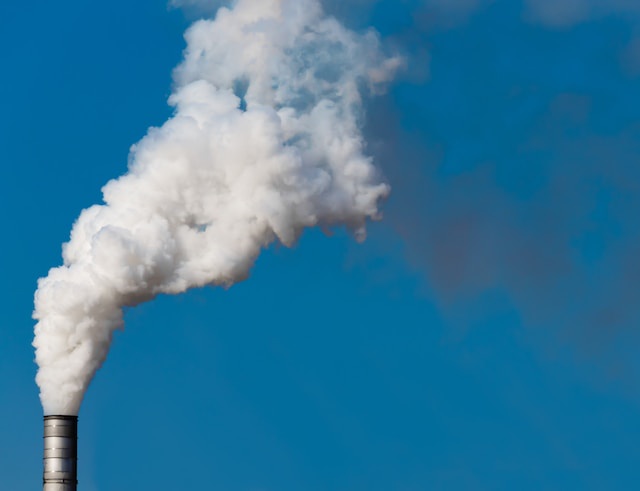
Chimney air emission monitoring plays a pivotal role in safeguarding the environment, ensuring regulatory compliance, enhancing process efficiency, and maintaining public trust. This critical process involves the measurement and analysis of chemical and physical characteristics of gases released into the atmosphere through chimneys. In this article, we delve into the significance of chimney air emission monitoring, exploring its environmental, regulatory, and industrial implications.
Environmental Protection
One of the primary reasons for chimney air emission monitoring is environmental protection. Industries emit various pollutants during their operations, including nitrogen oxides (NOx), sulfur dioxide (SO2), and particulate matter. Monitoring helps ensure that these harmful substances are not released into the atmosphere in excess of permissible levels. This proactive approach safeguards ecosystems, prevents air pollution-related health issues, and contributes to the overall well-being of the environment.
Compliance with Regulations
Chimney air emission monitoring is often a mandatory requirement imposed by federal, state, and local environmental regulations. Regulations such as the Clean Air Act set specific limits on the emission of pollutants to control air pollution effectively. Industries and facilities must adhere to these standards to mitigate their environmental impact and fulfill their obligations in reducing air pollution. Monitoring is, therefore, a crucial component of regulatory compliance, helping industries avoid legal consequences and contribute to sustainable practices.
Improving Process Efficiency
Beyond compliance, chimney air emission monitoring serves as a valuable tool for improving industrial processes. By analyzing emission data, facilities can identify areas where modifications or enhancements can be made to reduce emissions. This not only aligns with environmental goals but also leads to improved process efficiency and reduced operational costs. Implementing cleaner technologies and optimizing production processes contribute to a more sustainable and economically viable operation.
Maintaining Public Trust
In an era where environmental consciousness is on the rise, maintaining public trust is paramount for industries. By actively monitoring and transparently reporting their chimney air emissions, facilities showcase a commitment to environmental responsibility. This transparency fosters trust among the public and stakeholders, creating a positive perception of the industry's dedication to sustainable practices. Public support becomes instrumental in securing social license to operate and ensures long-term sustainability.
Importance of Air and Flue Gas Monitoring
The significance of chimney air emission monitoring extends beyond the immediate benefits of environmental protection and regulatory compliance. It directly impacts the quality of living, addressing global concerns about air pollution and its adverse effects on human health and the environment. Air pollution has direct consequences on vegetation and can indirectly affect soils and waters through acidification and changes in nutrient status.
For manufacturers and companies, having accurate, reliable, and readily available air emission information is crucial. This data not only aids in complying with regulations but also empowers these entities to improve the performance of engineering equipment. By reducing environmental impact, industries can contribute to a healthier and more sustainable future.
The repercussions of neglecting air emission monitoring
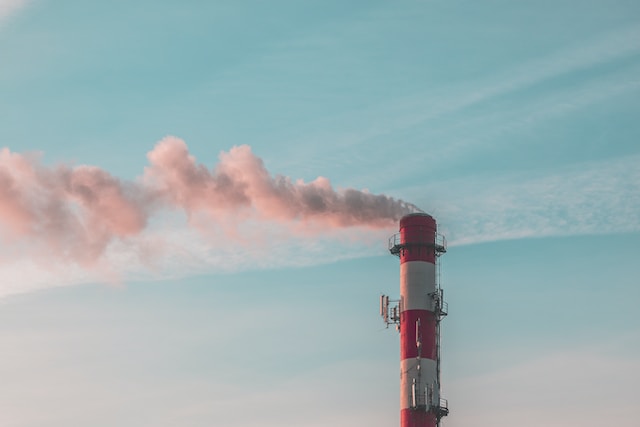
Environmental Degradation: Without monitoring, industries may release pollutants into the atmosphere unchecked. This can lead to environmental degradation, causing harm to ecosystems, soil, and water quality. Uncontrolled emissions contribute to air pollution, which can have cascading effects on biodiversity, disrupting delicate ecological balances and threatening various plant and animal species.
Public Health Risks: Air pollution is a significant public health concern, and the absence of rigorous air emission monitoring exacerbates this issue. Harmful pollutants, including particulate matter and noxious gases, can lead to respiratory problems, cardiovascular diseases, and other health issues. Communities residing near industrial facilities are particularly vulnerable to the adverse health effects of uncontrolled emissions.
Compliance Violations: Neglecting air emission monitoring can result in non-compliance with environmental regulations. This not only exposes industries to legal consequences, including fines and sanctions but also undermines efforts to control and reduce overall air pollution. Regulatory bodies impose emission limits to protect the environment and public health, and failure to adhere to these standards erodes the effectiveness of environmental policies.
Lack of Process Optimization: Monitoring emissions provides valuable data that can be used to optimize industrial processes. Without this information, industries miss opportunities to enhance efficiency, reduce resource consumption, and minimize waste. The lack of process optimization not only hampers environmental sustainability but also affects the economic viability of operations, as inefficiencies may lead to increased costs.
Diminished Corporate Responsibility: Public perception of industries is increasingly influenced by their commitment to corporate social responsibility and environmental stewardship. Failure to monitor and control air emissions demonstrates a lack of commitment to these values, diminishing public trust and potentially harming the company's reputation. In an era where sustainability is a key consideration for consumers and investors, such oversights can have lasting negative effects.
Long-Term Environmental Impact: The long-term consequences of unchecked air emissions can be profound. Persistent release of pollutants contributes to climate change, exacerbating global environmental challenges. It may lead to more severe weather patterns, rising sea levels, and disruptions to ecosystems, with far-reaching implications for future generations.
Key players involved in this process
Environmental Consultants: Professional environmental consulting firms often have experts in air quality monitoring. These consultants can assess the specific needs of an industry, design monitoring programs, conduct on-site measurements, and analyze data. They play a crucial role in helping industries meet regulatory requirements and implement sustainable practices.
Environmental Testing Laboratories: Accredited environmental testing laboratories are equipped with the necessary tools and instruments to analyze air samples. These laboratories can receive samples collected on-site and provide detailed analyses of pollutants. They ensure the accuracy and reliability of data, which is essential for compliance reporting and assessing the impact of emissions.
In-House Environmental Teams: Some large industries have in-house environmental teams responsible for managing and monitoring air emissions. These teams may include environmental engineers, scientists, and technicians who are trained to conduct routine monitoring, analyze data, and ensure compliance with environmental regulations.
Conclusion
Chimney air emission monitoring stands as a cornerstone in the pursuit of environmental stewardship. From protecting ecosystems to ensuring regulatory compliance, improving process efficiency, and maintaining public trust, its importance cannot be overstated. As the world grapples with the challenges of climate change and environmental degradation, proactive measures such as chimney air emission monitoring become instrumental in fostering a sustainable balance between industrial progress and ecological well-being.
The failure to conduct proper chimney air emission monitoring has wide-ranging and detrimental effects on the environment, public health, regulatory compliance, and corporate responsibility. To foster sustainable industrial practices and mitigate the adverse impacts of air pollution, it is imperative for industries to prioritize and invest in comprehensive air emission monitoring programs.
AmsafeOSHConsultancy is a content creator under the Newswav Creator programme, where you get to express yourself, be a citizen journalist, and at the same time monetize your content & reach millions of users on Newswav. Log in to creator.newswav.com and become a Newswav Creator now!
The User Content (as defined on Newswav Terms of Use) above including the views expressed and media (pictures, videos, citations etc) were submitted & posted by the author. Newswav is solely an aggregation platform that hosts the User Content. If you have any questions about the content, copyright or other issues of the work, please contact Newswav.
