.jpeg)

In the bustling corridors of Southeast Asia, where oceans whisper the tales of commerce and nations weave economic dreams, the Johor-Singapore Special Economic Zone (JS-SEZ) emerges as a beacon of ambition. This initiative, launched with fanfare by Malaysia and Singapore, is more than a geographical project; it is a confluence of aspiration, strategy, and global opportunity. Stretching across the verdant expanse of Johor, this special economic zone represents a deliberate pivot toward industries of the future—renewable energy, advanced technology, and transformative manufacturing.
For me, a journalist deeply engrossed in the intricate dance of global economics, the JS-SEZ project resonates on a personal level. Having spent years observing The Gulf Cooperation Council (GCC)'s economic evolution and its quest for diversification, this initiative struck a chord as a symbol of alignment between Southeast Asian pragmatism and GCC ambition.
The GCC’s Quest Beyond Oil
GCC 6 nations, long synonymous with oil wealth, are recalibrating their economic compasses. Vision 2030 in Saudi Arabia,UAE 2031’ Vision, Vision 20235 in Kuwait, Bahrain's Economic Vision 2030, Oman Vision 2040 and Qatar National Vision 2030 underline a shift from hydrocarbon dependency to a more diversified, knowledge-based economy. Yet, achieving this vision requires partnerships that transcend geography, particularly with dynamic regions such as Southeast Asia.
The JS-SEZ, with its promises of cutting-edge industries and high-skilled jobs, aligns seamlessly with the GCC's strategic Visions. It offers a promising entry point for Gulf investments into expansive markets, such as ASEAN’s 600 million consumers, rich with untapped potential in technology and infrastructure. True prosperity lies not in resources extracted from the earth but in nurturing innovation and leveraging vast, dynamic markets.
Malaysia’s natural resources and its position as a leader in halal industries have attracted GCC investors for decades. Meanwhile, Singapore’s economic sophistication offers a blueprint for strategic urban planning, infrastructure development, and financial innovation.
The JS-SEZ amplifies this triad of relations, offering Gulf states a tangible opportunity to merge their capital with Malaysia’s resources and Singapore’s expertise. One could argue that civilizations flourish not in solitude but through the dynamic exchange of ideas and the blending of innovation. This collaboration could very well represent such a synthesis.
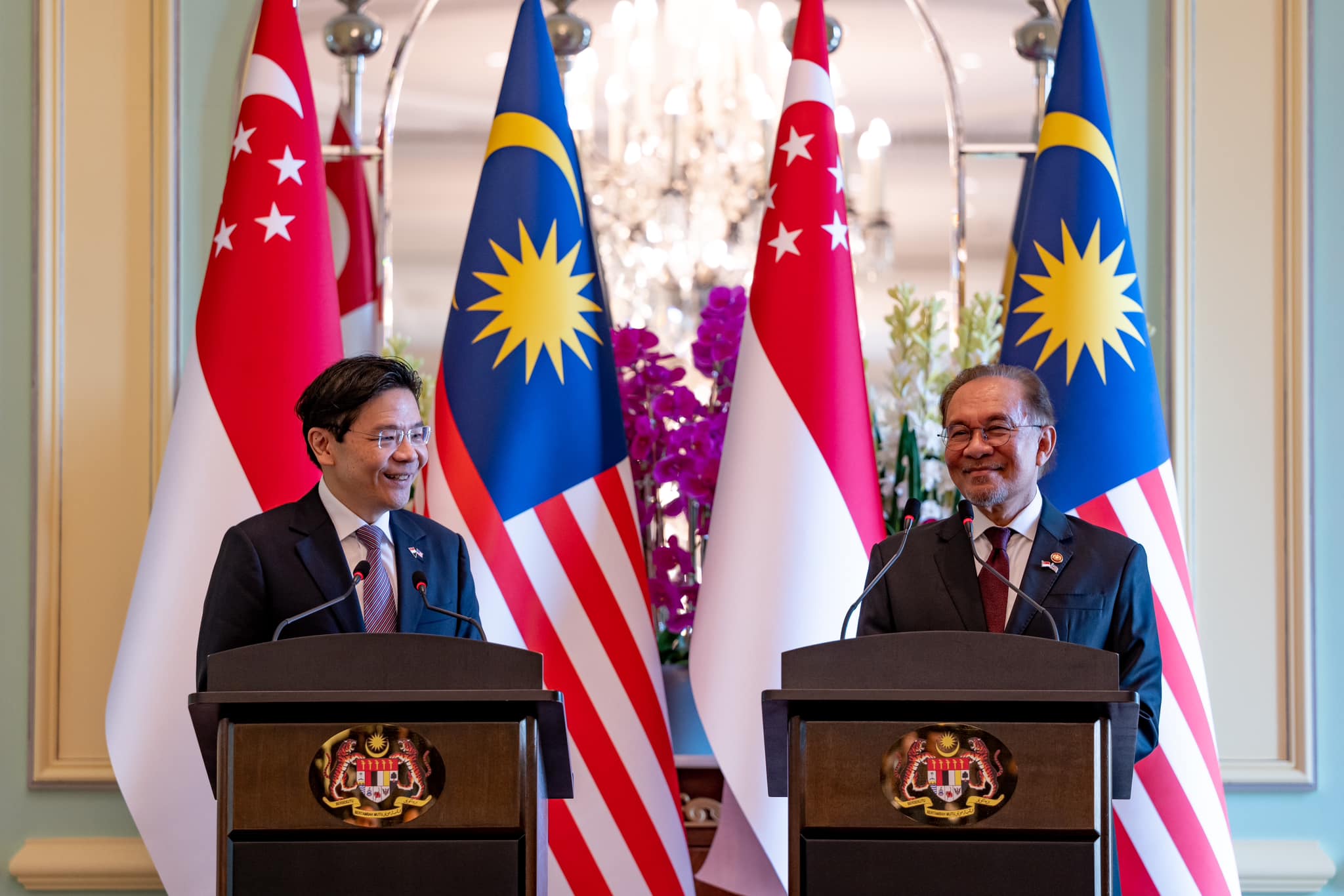
JS-SEZ: A Mirror to Shenzhen
The Johor-Singapore Economic Zone draws inspiration from one of modern history’s most compelling economic transformations—Shenzhen. Once a sleepy fishing village, Shenzhen emerged as a global manufacturing hub under China’s bold economic reforms. By emulating such success, the JS-SEZ aims to harness its strategic location, offering GCC investors not only tax incentives but also unparalleled access to regional supply chains and innovation hubs.
The statistics bolster the case. Trade between Malaysia and Singapore hit $78.59 billion in 2024, and the JS-SEZ is set to accelerate this trajectory. GCC investors, particularly sovereign wealth funds like the Abu Dhabi Investment Authority or the Public Investment Fund of Saudi Arabia, are uniquely positioned to leverage this growth. Their expertise in managing megaprojects can complement Southeast Asia’s appetite for capital and innovation.
Yet, grand visions often harbor complexities beneath their glittering veneers. The JS-SEZ, while promising, is not immune to challenges. Infrastructure development remains a pressing issue in Johor, with cross-border congestion often cited as a bottleneck. Moreover, the region’s competitive landscape—teeming with emerging markets like Vietnam and Indonesia—poses the risk of diluting investor attention.
For GCC stakeholders, these challenges necessitate cautious optimism. Investment decisions should not only focus on immediate returns but also account for long-term sustainability and equitable development. As English Philosopher John Stuart Mill argued, “The worth of a state in the long run is the worth of the individuals composing it.” Ensuring that the local population benefits from these investments is not merely ethical but also strategic, fostering a stable and collaborative environment.
On a broader scale, the JS-SEZ encapsulates a philosophical debate about globalization’s next phase. Are such economic zones merely playgrounds for capital, or can they evolve into models of inclusive growth? The GCC’s involvement could tip the scales toward the latter. By channeling investments into renewable energy and education within the zone, GCC states can contribute to a narrative of sustainability and shared prosperity.
Singapore’s role, often likened to that of a meticulous chess player, is particularly pivotal here. With its unparalleled expertise in managing free trade zones, Singapore can ensure that the JS-SEZ does not merely become an extension of its own economy but a genuinely symbiotic project. Meanwhile, Malaysia’s vision of creating 20,000 high-skilled jobs underscores its commitment to social mobility and human capital development.
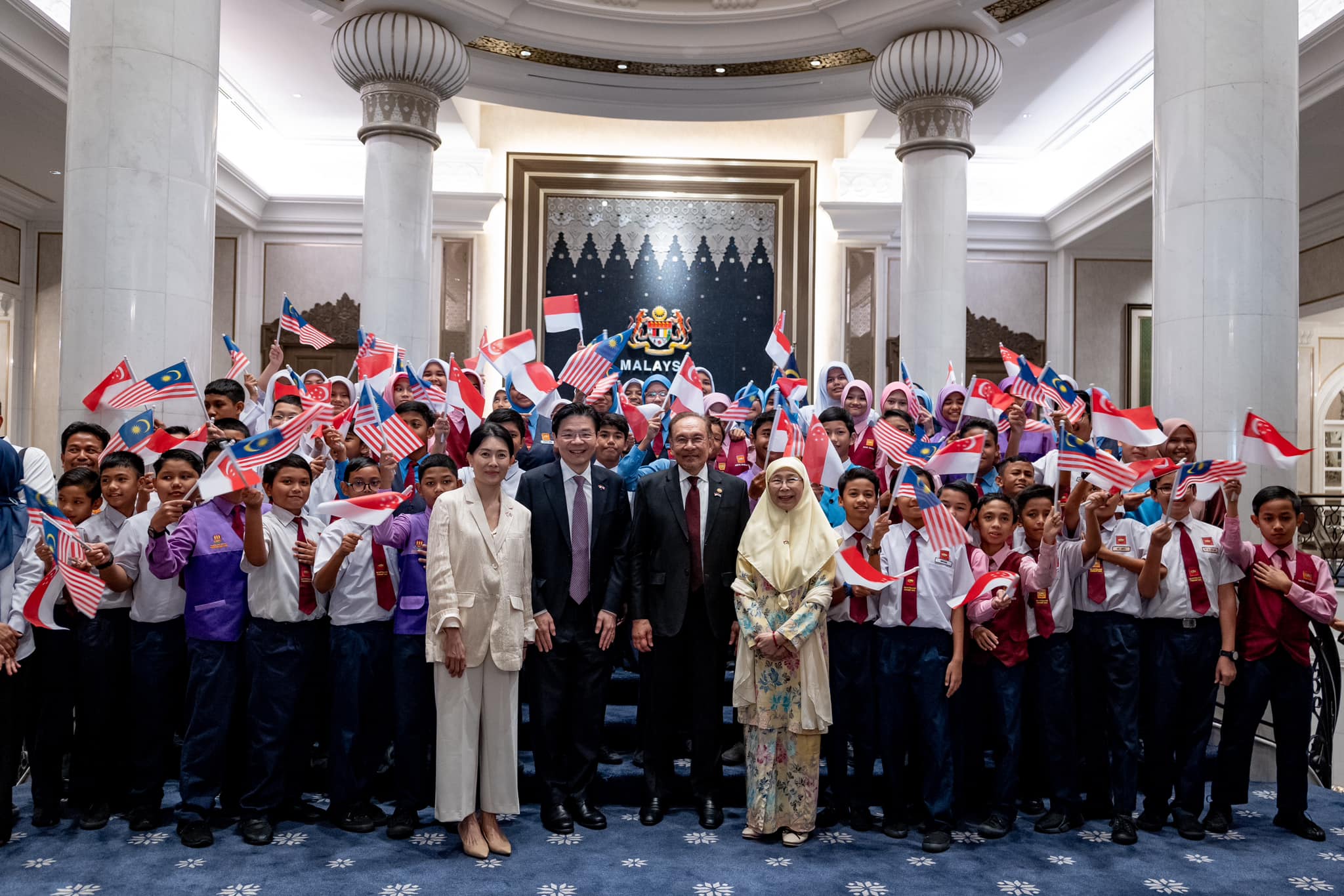
The Way Forward
As someone who has witnessed the ebb and flow of global partnerships, the JS-SEZ feels like a microcosm of what economic cooperation can achieve when guided by mutual respect and strategic foresight. Walking through Johor’s vibrant streets during a recent visit, I couldn’t help but envision a future where GCC-backed innovation hubs transform these landscapes into bustling centers of knowledge and creativity.
The region’s youth, much like those in the GCC, harbor ambitions that transcend traditional boundaries. The JS-SEZ offers them a platform to engage with global industries, much like Shenzhen did for China’s emerging workforce decades ago.
Ultimately, the success of the Johor-Singapore Economic Zone hinges on its ability to balance ambition with pragmatism. For GCC investors, this means embracing not just the economic but also the socio-political nuances of Southeast Asia. Engaging with local communities, investing in skills development, and respecting cultural contexts are not optional add-ons but integral to long-term success.
As I reflect on this project, I am reminded of Persian Scholar Ar-Rumi’s words: “Try not to resist the changes that come your way. Instead, let life live through you.” The JS-SEZ represents such a change—a dynamic shift in how regions can collaborate to rewrite the rules of global commerce. Whether it achieves its lofty goals will depend not just on policy frameworks and financial commitments but on the collective will to prioritize shared human progress.
This is not merely an economic story; it is a narrative of interconnected destinies, a tale of nations daring to imagine a future unbound by geographical constraints. For the GCC, Southeast Asia, and the world at large, the JS-SEZ may yet prove to be a defining chapter in the ongoing story of globalization’s reinvention.
Abdullah Bugis is a content creator under the Newswav Creator programme, where you get to express yourself, be a citizen journalist, and at the same time monetize your content & reach millions of users on Newswav. Log in to creator.newswav.com and become a Newswav Creator now!
The User Content (as defined on Newswav Terms of Use) above including the views expressed and media (pictures, videos, citations etc) were submitted & posted by the author. Newswav is solely an aggregation platform that hosts the User Content. If you have any questions about the content, copyright or other issues of the work, please contact Newswav.