

Nepotism, the practice of making decisions in favour of relatives in professional or political appointments, is a significant concern in democratic governance.
The analysis focuses on two examples of cases in Southeast Asia: Gibran Rakabuming Raka-the eldest son of former Indonesian President Joko Widodo and Nurul Izzah Anwar-the eldest daughter of Malaysian sitting Prime Minister Anwar Ibrahim. This paper will attempt to examine their trajectory and the consequences of their political rise and the impact on the democratic process in these two countries.
Case Background
First - Gibran Rakabuming Raka (Indonesia)
Role: Elected Mayor of Surakarta (2021-2024).
Controversy:
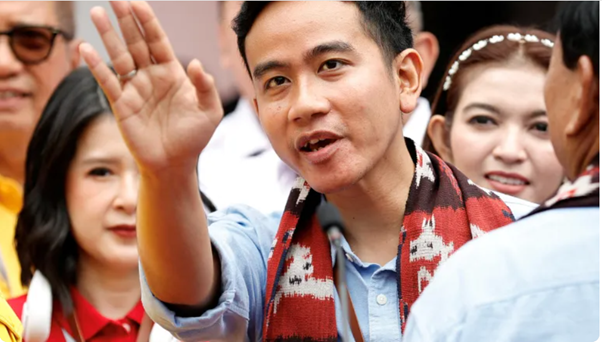
In Oct 2023 the Indonesian Constitutional Court took into account the new minimum age requirement of 40 years old and additional requirements, to become a Presidential candidate, and this enabled the 36-year-old Gibran to run for Vice President in the Feb 2024 Presidential Election.
Chief justice of the court, Anwar Usman, who is also Jokowi's brother-in-law, when making the decision added a new element saying "at least 40 years old or have held/are holding positions elected through general elections including the election of provincial heads."
From the perspective of legal doctrine, the Court's decision is problematic. The Indonesian Constitutional Court has taken over the functions of the legislature by introducing new criteria to bypass the age requirement for the 2024 presidential election.
Backlash by the Constitutional Court decision and mammoth opposition by the people the Government is forced to investigate and formed Constitutional Court ethics council.
The Constitutional Court ethics council ordered the removal of Anwar Usman from his post as chief justice after finding him guilty of ethics violations when he swayed the ruling on election candidacy requirements that effectively cleared the way for his nephew by marriage to run for vice president.
Criticism: Considered using legal channels and movements to enable dynastic politics, and of course undermining meritocracy.
Second - Nurul Izzah Anwar (Malaysia)
Role: Appointed in 2023 as a senior economic and financial advisor in the PM Office.
Controversy: Critics argue her appointment lacks transparency(patronage and not free competition), despite her eligibility from criteria of legislation and activism.
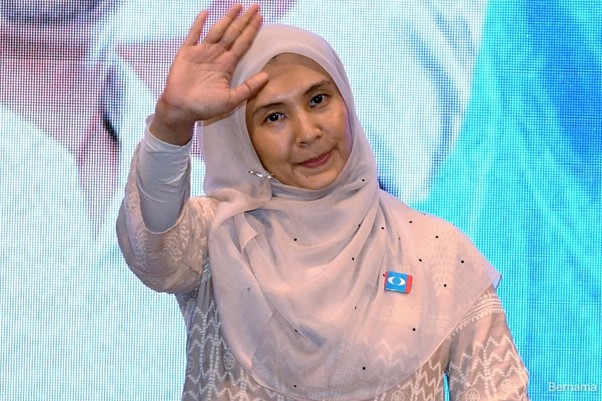
Prime Minister Datuk Seri Anwar Ibrahim said the appointment of former Permatang Pauh MP Nurul Izzah Anwar, who is also his daughter, as a senior economic and financial adviser was made based on her qualifications.
He said Nurul Izzah has a first degree in engineering and a second degree in public and social policy from Johns Hopkins University, United States, and was appointed to assist him in the Prime Minister's Office (PMO) and Ministry of Finance (MOF).
Following Nurul Izzah's appointment, opposition and attacks on Anwar in an attempt to build elements of Nepotism in the government and his administration became a major topic of conversation in the country and invited public discussion in the electronic and print media.
In addition, when the appointment was made, the government already had an economic advisory body headed by Tan Sri Hassan Marican, Advisor to Petronas with several well-known local personalities and technocrats.
Due to intense resistance and attacks, Nurul Izzah finally refused and unlike in Indonesia, there was no follow-up action to stop the appointment attempt related to the element of Nepotism in the future.
Criticism: Seen as part of Malaysia's dynastic culture and political nepotism (for example, Anwar's wife, Wan Azizah, is a government MP and was once Deputy PM and President from PKR where Anwar was Defactor Leader(2007-2018)
Key Consequences
1. Erosion of Institutional Trust
On Indonesia: The Constitutional Court's decision triggered accusations of judicial arrest, undermining public trust in legal equality and interference in legislative powers.
On Malaysia: Perceptions of patronage deepen doubts about promises of reform by Anwar's coalition, which is campaigning against corruption.
2. Political Dynasties and Democracy
Both cases (Indonesia and Malaysia) risk normalizing family dominance in politics, reducing opportunities for non-elite.
In Indonesia, 26% of the 2024 legislative candidates have dynastic ties; for example, the dynasty of Ratu Atut Chosiyah who has 12 family members in the leadership of Banten where she and her younger sister were convicted in a corruption case involving medical devices in South Tangerang.
Malaysia has a similar trend (e.g., Najib Razak’s family). Mohamad Nizar Najib won the Peramu Jaya Pahang's State Legislative Assembly seat in the 15th General Election (GE15) and most recently, Najib's daughter, Nooryana Najwa announced that she would contest Puteri Umno exco in the 2026 party general election.
Long-Term Impact: Concentrated power can skew and direct policymaking toward elite interests, exacerbating inequality.
3. Public Reaction and Polarization Indonesia
Indonesia: Protests and media outcry cast Gibran's rise as a betrayal of Jokowi's reformist image. Youth-led movement (#ReformasiDikorupsi) highlights discontent
Malaysia: Mixed response - supporters cite Nurul's qualifications, while critics demand merit-based appointment.
4. Legal and Institutional Reform
Indonesia: Gibran's case prompted calls for stricter anti-nepotism laws and judicial ethics oversight.
Malaysia: Pressure is mounting to formalise regulations on family appointments in government. Anwar in the 90's campaign to combat KKN(Corruption, Collusion and Nepotism) was the originator of the Reform movement.
However, after the fall of the Barisan Nasional government and Anwar came to power, the issue of KKN still shackles and haunts his reformist government.
5. International Perception
Both countries risk damaging reputations if seen as tolerating nepotism that could potentially affect foreign investment and diplomatic relations.
In the case of Indonesia “Evaluation of the 2024 Corruption Perceptions Index and Challenges in Combating Corruption" results were stagnant for the three years of 2022, 2023 and 2024 and needs to work harder to improve and reform the quality of its institutions. It pointed out that developed countries have implemented institutional reforms to improve quality and international perception.
Malaysia has a perception problem. Over the years, the country was plunged into the same media narrative that focused on political instability, governance issues and isolated corruption cases. These stories are undeniably part of the national discourse, and governments are in the process of addressing them legislatively-commitment to institutional reform, ensuring improved governance for the well-being of the people and the nation.
6. Performance vs. Principles
If Gibran/Nurul excels, some think “benevolent nepotism” is acceptable. However, this risks incorporating benevolent nepotism. The fact is that whatever ends up and is related to Nepotism, it harms and damages the state and organization.
Recent studies have also proven that nepotism makes people feel demotivated, less confident and alienated. It also hinders competition and innovation. So it turns out that the principle of not practicing Nepotism is able to improve the performance of actors in the state and organization.
Comparative Analysis - Gibran & Nurul Izzah Cases
Aspect Indonesia (Gibran) Malaysia(Nurul Izzah)
Mechanism Exploitation of Legal loopholes Direct appointment
Public response High (judicial ethics scandal) Moderate (qualification vs. nepotism)
Systemic effect Weakening judicial integrity Reinforcing the patronage network
Suggestion
a. Legal Reform
Enforce anti-nepotism laws (e.g., revision of Indonesia's Election Law, Malaysian anti-nepotism public sector code or order).
b. Transparency
Require Public disclosure of the qualifications and selection process of appointees.
c. Civic Involvement
Support independent monitoring groups and the media to hold leaders accountable.
d. Cultural Shift
Promote Meritocratic values through education and political campaigning.
Conclusion
Gibran and Nurul's case illustrates how nepotism can undermine democratic principles, even if the appointed person is competent.
Addressing this requires ongoing systemic reforms and public vigilance to balance family ties with equitable governance.
Without action, political dynasties risk perpetuating inequality and losing the people's right to credible and transparent leadership.
To truly honour the spirit of reform , both Jokowi and Anwar must demonstrate genuine commitment to dismantling the structures of nepotism and promoting a political culture that prioritizes transparency, accountability, and meritocracy to drive meaningful democracy for the well-being of the people and prosperity of the country.
Tahanazar al-Qadree is a content creator under the Newswav Creator programme, where you get to express yourself, be a citizen journalist, and at the same time monetize your content & reach millions of users on Newswav. Log in to creator.newswav.com and become a Newswav Creator now!
The User Content (as defined on Newswav Terms of Use) above including the views expressed and media (pictures, videos, citations etc) were submitted & posted by the author. Newswav is solely an aggregation platform that hosts the User Content. If you have any questions about the content, copyright or other issues of the work, please contact creator@newswav.com.
