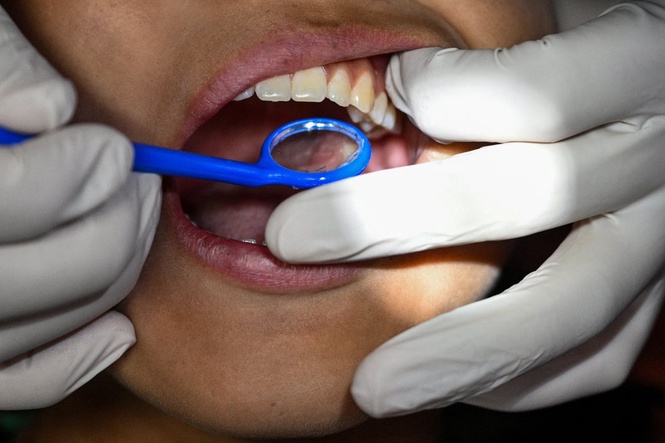
Losing teeth may increase the risk of dementia among older adults alongside factors such as social isolation and depression, Japanese researchers claim in a new study.
The research adds to the growing understanding that poor oral health may be a greater contributor to dementia than was once thought.
Although recent studies point to the significance of poor oral health in age-related neurological conditions, it is still not widely recognised as one of the modifiable risk factors behind dementia.
As dementia increases worldwide, though, more data is emerging of a link between tooth loss and the risk of developing the neurological condition.
The latest study, led by professor Kenji Takeuchi at Tohoku University, found that dementia risk increased among older adults that had fewer teeth.
The study assessed the health data of over 47,000 older adults in Japan, with an average age of 73 years.
Over an average follow-up period of nine years, about 17 per cent of the 47,293 adults developed dementia.
“Tooth loss accounted for a substantial proportion of dementia cases, comparable to major risk factors,” according to the study published in the Journal of the American Medical Directors Association.
Scientists estimated that tooth loss accounted for over 7 per cent of dementia cases in the study population, highlighting the importance of maintaining good oral health in older age.
“Compared with about 20 teeth, dementia risk increased with fewer teeth,” they said, adding this association seemed to be stronger in men than in women.
After depression and social isolation, losing teeth was the third major risk factor linked to dementia.
“Tooth loss ranks third after depressive tendencies and social isolation and it was found that tooth loss contributes to or exceeds existing risk factors,” scientists said in a statement.
“Tooth loss may account for a greater share of dementia cases than risk factors such as physical inactivity, smoking, or low education,” they noted in the study.
Scientists suspect tooth loss may be influencing dementia risk in many ways.
For one, living with fewer teeth may lead to poor nutritional status, which is associated with cognitive decline.
Tooth loss also reflects long-term exposure to oral inflammation, possibly leading to overall bodywide inflammation and subsequent cognitive decline.
Researchers hope that maintaining oral health is included in guidelines and public health measures as an important strategy for dementia prevention.
“Some of the effective approaches include proper self-care, dental check-ups, tobacco control, ensuring optimal fluoride delivery through toothpaste and water, and reducing sugar consumption,” they wrote.
“Strengthening universal access to essential oral health services, especially in resource-limited settings such as low- and middle-income countries, will be critical.”
Asian shares are mixed as investors assess impact of Nvidia's fallout on global AI development
Godzilla returns in special-effects glory in the latest movie with an anti-war message
Asian shares mostly slip as Nvidia's troubles weigh on AI stocks, despite a rally on Wall St
Strange 1,600-year-old infant skull with single ‘cyclops’ eye unearthed in Peru
Life was not peachy for all cats in ancient Egypt despite reverence, study reveals
The secret behind cat meows to get human attention unravelled