
Rather like the old and snobbish adage that Rugby is a yob’s game played by gentlemen, so White’s Club in St James was the unofficial recruiting centre for the toffs who seemed to form the nucleus of ungentlemanly spy agencies and special forces during World War II.
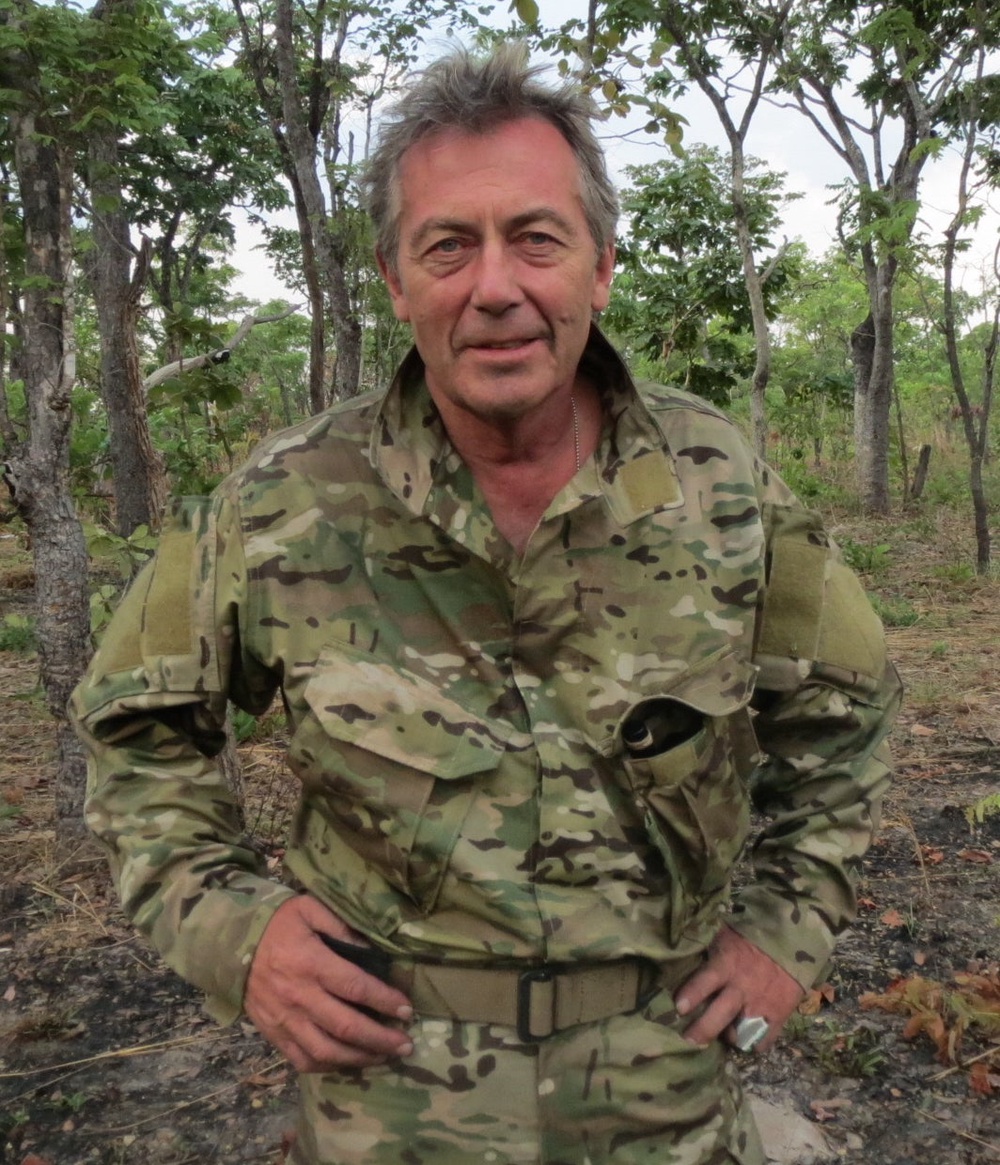
“It is well known for operating along the intersection between government, the intelligence services, the military and the aristocracy, its connection being so effective that it was sometimes known as Le Reseau Blanc [the White Network],” says, author of the latest and remarkable contribution to the history of the SAS, An Axe and Four Balloons, Tim Spicer.
A former mercenary, commanding officer of the Scots Guards, millionaire founder of a gigantic security company and now author, Spicer should know. He’s a member of Whites, of course.
The founder of the Special Air Service, David Stirling, was a member. So was his brother, Bill, who took over when David was a prisoner of war in Colditz Castle. So was Robert Laycock, who established commando forces during the war, employed David Stirling, and therefore was a midwife to what is today the world’s most special force, the Special Air Service.
Evelyn Waugh, also an SAS officer, by Spicer’s account a vile snob unpopular with officers and men alike, was a member of White’s, which he thinly disguised as “Bellamy’s” in his Sword of Honour Trilogy. Fitzroy Maclean led secret allied operations in Yugoslavia and Albania, along with Randolph Churchill. Paddy Leigh Fermor captured a German general in Crete. They all networked at the bar of White’s.
The easy access of these fox hunting types to the highest powers in the land were familial and social and they led to some of the most dramatic, heroic, events of clandestine and daring operations of the whole British effort against fascism in Europe.
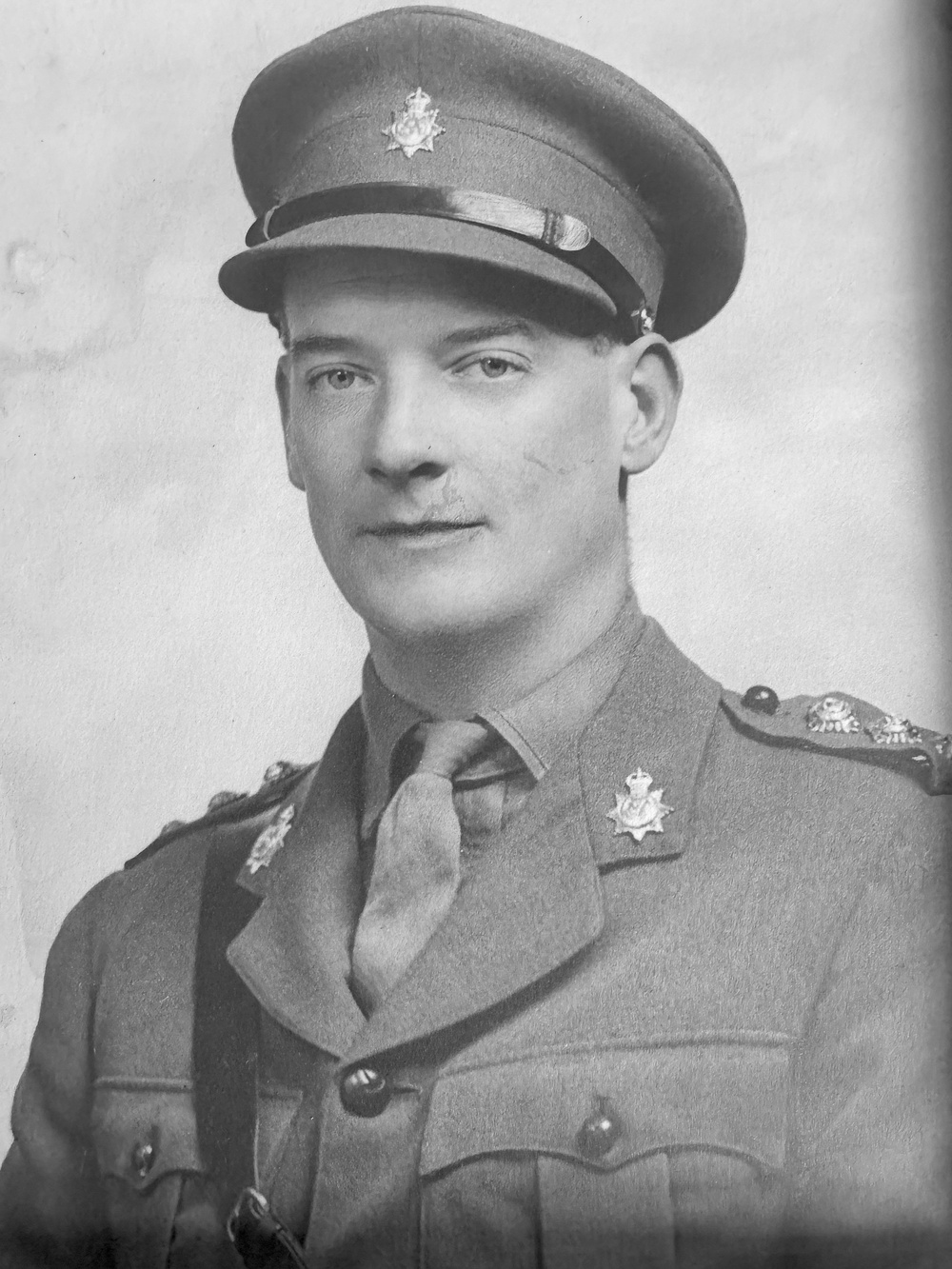
Odd, then, that Brian Franks, who became Stirling’s second in command, who was popular, brave and as dashing as the rest, didn’t make it into the club until 1951. By then he had gone from running large parts of Britain’s special forces to saving them from the bureaucratic guillotine.
Franks, an old Etonian, was cut from the right upper class stuff. But a loss of family wealth meant he chose not to take up a place at Oxford and ended up in the Mayfair hotel trade. He was good looking, suave, and had an eye for how best to exploit, and serve, the monied classes. He rose fast into management before the war began.
His connections included reciprocal access to White’s, through another club, so Franks wasn’t shut out. Far from it, his sporting and social skills, his wide connections and personal charm meant he was rapidly recruited through the network into the commandos and then the SAS. He was in White’s long before he was in the White’s membership book.
Franks had a flair for unconventional warfare. Schooled by Laycock, commander of what became Layforce, he picked up a Military Cross running the head quarters of a Special Service Brigade of commandos in the 1943 battle for, and then defence of, Termoli in southern Italy (where he also served alongside future commanding officer of the SAS, Paddy Mayne and his Special Raiding Squadron).
Already formed as a unit, and making its way in the war as a guerilla type marauding unit, the SAS also appeared at Termoli. Roy Farran, the detachment’s commander, saw Franks giving a tour of the fighting to a fellow officer.
“Shells were crashing around us and every time one went over or exploded nearby I ducked for cover. Franks struck me as being incredibly cool amongst it all. He walked on as if nothing had happened,” he said later.
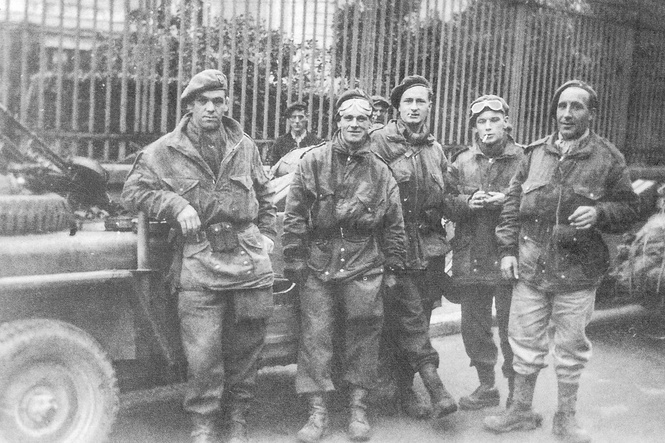
That cool was to be tested when, as commanding officer of 2 SAS, the same unit as Farran, he parachuted some 20 miles behind German enemy territory into the Vosges to take command of Operation Lo
yton that had gone badly as British and French resistance forces were hunted through the countryside in 1944.
Tasked with harassing the German’s retreating after D-Day Frank's men found the resistance world murky, inefficient, riven by petty rivalries. On a mission intended to last no more than a fortnight they were stuck for two months before he led an “escape and evasion” route through German lines, witnessing Nazi atrocities en route.
His men scattered to best escape, many faired badly. Thirty one were captured and murdered by the Germans as part of Hitler’s orders to kill all commandos, his Kommandobefehl.
But he fought on and into Germany and never forgot, or forgave, the historic war crimes against his men, and hundreds of French villagers who were also murdered in Nazi reprisals.
When the war ended he left the army, eventually and returned to hotels. Not before he has set up an increasingly off-the-books unit of SAS men who tracked down and eventually prosecuted all but one of the Germans behind the killings.
For Spicer this was an exceptional service to his men.
His wider contribution was probably after the end of WWII when, now a top hotelier, married and happily so - he was aghast when he realized that military mandarins were ridding themselves of the bandits and brigands that unconventional warriors so often are.
He thought it an error. And he thought it a betrayal of the success of the SAS and similar units.
Using his clubland connections he managed to get the Ministry of Defence to allow the formation of a territorial army unit to be known as 21 SAS (The Artists Rifles) back on the books in 1947. Named after the distinguished Artists of WWI in which many actual painters and writers won gallantry medals, 21 SAS was flooded with veterans of the 1939-45 war.
He was 21 SAS first commanding officer and handed over just before they were sent to fight communist “insurgents” in Malaya.
The jungle warfare suited the men who liked to fight far from the supervising eyes of regular officers in what because the Malayan Scouts and then, soon, the regular army formation we know today, 22 SAS.
It no longer recruits from the bar at White’s. But its officers are still expected to show the sang froid bred into Le Reseau.
‘An Axe and Four Balloons: The biography of Brian Franks, DSO MC, the Man Who Saved the SAS’ by Tim Spicer is published by Barbreck
Read MoreI lost my $2m book deal because people mistook my African dialect for AI
Barbara Cartland sold millions. Why is it so hard to find her novels in shops today?
Meg Mason: ‘The term Sad Girl Lit is infuriating and minimising’
What to read in September, including a rollicking road-trip novel by Patrick deWitt
‘Prolier-than-thou!’ Burnham accused of playing up working class roots.
Hayden Panettiere: ‘My mom wasn’t interested in having a normal relationship with me’