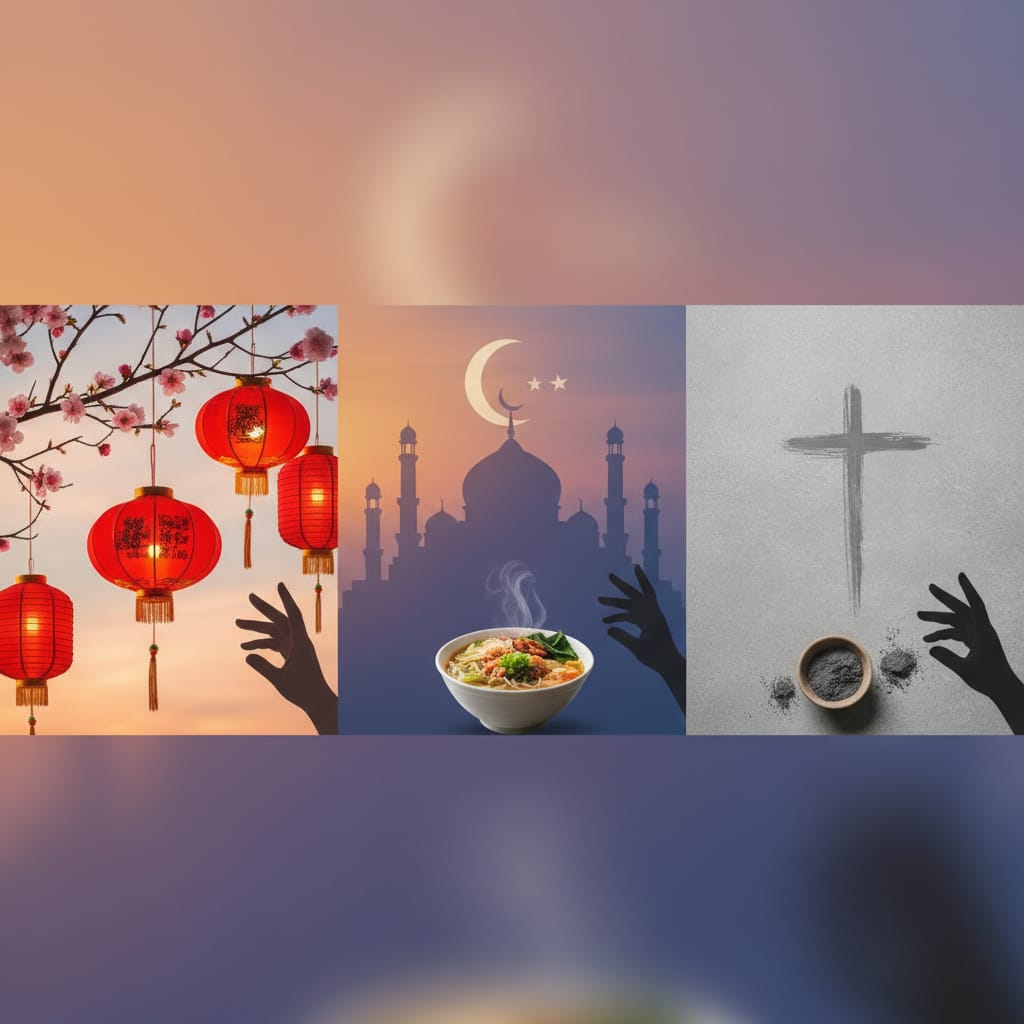
In early 2026, an extraordinary cultural and spiritual alignment occurred. Across Malaysia, Indonesia, and parts of Southeast Asia, three major observances Chinese New Year, the start of Ramadan, and Ash Wednesday unfolded within the same fortnight. For many, it was a chance to witness the intertwining of centuries-old traditions, spiritual disciplines, and community celebrations, creating moments of reflection, togetherness, and intercultural appreciation. (timesindonesia.co.id)
Such calendar overlaps are rare. Typically, the lunar-based Chinese New Year occurs separately from the Islamic lunar month of Ramadan, while the Christian liturgical calendar places Ash Wednesday on dates determined by the Easter cycle, which varies yearly. In 2026, however, these three timelines coincided, creating what some sociologists call a “temporal convergence of cultural rhythms,” a period where multiple traditions are felt concurrently in public and private life. (thejakartapost.com)
Chinese New Year 2026: Vibrancy Meets Inclusivity
Chinese New Year (CNY), celebrated on February 17 in 2026, kicked off with the traditional pomp: lion and dragon dances, red lanterns, firecrackers, and family reunions. In Malaysia, the festive atmosphere extended beyond ethnic Chinese communities. Cities like Kuala Lumpur, Penang, and Johor Bahru became hubs for cross-cultural participation, with multi-ethnic locals attending fairs, markets, and street performances. (malaymail.com)
In Indonesia, the government hosted its first National Chinese New Year Festival, an initiative to promote cultural integration and highlight the nation’s pluralistic identity. Lantern exhibitions, traditional performances, and interactive workshops allowed non-Chinese visitors to learn and participate, turning the celebration into a national cultural experience rather than a solely ethnic one. (en.antaranews.com)
Families prepared meticulously for reunion dinners, often featuring symbolic dishes such as fish for prosperity, dumplings for wealth, and sticky rice cakes for family unity. Interestingly, in 2026, some Muslim families incorporated halal versions of these traditional dishes, reflecting adaptability and respect for intersecting faith practices. (thesun-ipaper.cld.bz)
The public spectacle of CNY, with streets lit by crimson lanterns and markets brimming with festive goods, highlighted the power of cultural symbols to bring communities together, even in the context of other religious observances.
Ramadan: Reflection Amid Celebration
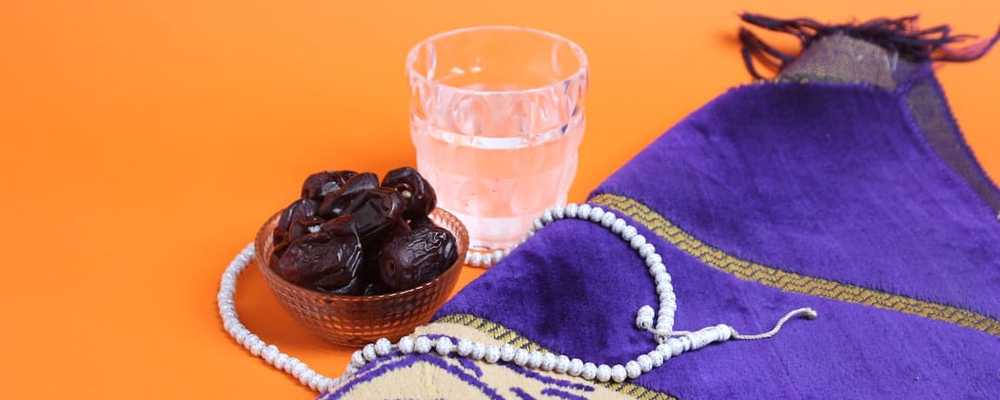
Ramadan began shortly after CNY, with the first day observed on February 19, 2026, based on the sighting of the crescent moon. Millions of Muslims in Malaysia, Indonesia, and Southeast Asia commenced the month-long fast from dawn to sunset, engaging in spiritual reflection, prayer, and acts of charity. (gulfnews.com)
The juxtaposition of Ramadan with the exuberance of Chinese New Year created a unique social dynamic. Markets, for instance, operated differently to accommodate fasting schedules. Street festivals and night markets ran until sunset, allowing people to enjoy CNY festivities and then transition seamlessly to breaking the fast. (thestar.com.my)
For families with mixed heritage, including Chinese Muslims, this convergence demanded creative solutions. Traditional CNY meals were adjusted to comply with halal dietary restrictions. Simultaneously, households prepared for Ramadan’s spiritual rituals, blending celebratory joy with reflection and restraint. This balancing act reflected the flexibility of cultural practices in multi-faith contexts.
Ash Wednesday: Contemplation and Penance
Amid the vibrancy of CNY and the spiritual focus of Ramadan, Ash Wednesday occurred on February 18, signaling the start of Lent in Christian communities. Marked by the application of ashes on foreheads in the shape of a cross, the day emphasizes repentance, reflection, and preparation for Easter. (blackfriars.sa.edu.au)
Although Ash Wednesday typically receives less public attention in Malaysia compared to CNY or Ramadan, the proximity to these major observances in 2026 created an unusual moment of temporal alignment across faiths. Churches reported higher attendance than usual, as believers reflected on mortality and spiritual growth amidst a society bustling with festivities and fasting. (reuters.com)
This alignment also offered opportunities for interfaith dialogue, as congregations and communities discussed overlapping themes of renewal, discipline, and ethical living. The week became a living lesson in how spiritual practices from different traditions share common values, even if expressed differently.
Shared Themes Across Traditions
Despite their differences, Chinese New Year, Ramadan, and Ash Wednesday share profound commonalities:
- Renewal and Reflection: CNY emphasizes new beginnings, cleaning homes, and sweeping away misfortune; Ramadan focuses on spiritual cleansing and self-discipline; Ash Wednesday centers on repentance and preparation. (mataram.antaranews.com)
- Family and Community Bonding: Reunion dinners, iftar meals, and communal church services strengthen family and social ties.
- Charity and Generosity: The giving of angpao (red packets), zakat (almsgiving), and acts of service during Lent illustrate shared values of generosity and empathy.
- Ritual and Symbolism: Red lanterns, fasting, and ashes are not just symbolic; they guide human behavior and reinforce ethical or spiritual goals.
Experts argue that these overlaps allow societies to experience culture in multi-layered ways, enabling participants to appreciate both diversity and unity. (thestar.com.my)
Practical Implications
The rare convergence of CNY, Ramadan, and Ash Wednesday produced notable social and economic impacts:
• Economic Boost: Retailers and hospitality sectors benefited from extended festive spending, as consumers engaged in gift-giving, shopping, and communal dining. (malaymail.com)
• Cultural Exchange and Learning: Public spaces became venues for interfaith observation and cross-cultural education, with activities designed to explain traditions like lion dances, fasting etiquette, and Ash Wednesday rituals. (timesindonesia.co.id)
• Media and Social Media Influence: Platforms showcased combined celebrations, creating viral moments where lion dancers paused for iftar, or churches opened their doors to neighbours curious about different observances. (thesoutheastasiadesk.com)
• Community Cohesion: Scheduling adaptations and interfaith events encouraged respect and empathy. For instance, malls extended operation hours to accommodate both fasting schedules and CNY festivities, demonstrating practical coexistence.
Stories from the Ground
In Kuala Lumpur, one community centre hosted a combined festival where children learned to make red paper lanterns, while elderly Muslims led a discussion on the significance of Ramadan and fasting. Local Christians participated by explaining Ash Wednesday practices, demonstrating how rituals of reflection can coexist with celebration. (thestar.com.my)
Families with mixed backgrounds shared personal stories: a Chinese Muslim family prepared traditional dumplings with halal ingredients, then joined the mosque for Tarawih prayers, while their Christian neighbours reflected on Lent’s symbolism. The convergence highlighted human adaptability and respect for overlapping cultural rhythms.
Reflections on Pluralism and Modern Society
The 2026 calendar alignment illustrated that diverse cultural and religious traditions can exist in dialogue rather than isolation. By accommodating timing, dietary requirements, and symbolic observances, societies in Malaysia, Indonesia, and beyond showcased inclusive, pluralistic living.
Experts in sociology and anthropology note that such overlaps can strengthen intercommunity bonds, encourage empathy, and foster creativity in celebration. They argue that modern urban life benefits from observing traditions in ways that are both respectful and adaptive. (thejakartapost.com)
What do you think? I’d love to hear your opinion in the comments section.
The 2026 convergence of CNY, Ramadan, and Ash Wednesday offers a blueprint for future interactions:
- Public Event Planning: Cities can schedule festivals to maximize inclusivity and minimize conflict between traditions.
- Education: Schools and community centres can use overlapping dates to teach children about different cultural and religious practices.
- Social Media and Storytelling: Highlighting moments where traditions intersect fosters appreciation and reduces prejudice.
- Economic Opportunities: Businesses can creatively market products and services to accommodate multiple cultural calendars without compromising authenticity.
Ultimately, this rare overlap reminds communities that shared human values family, reflection, generosity, and renewal transcend calendars, beliefs, and cultures.
As Malaysia and Southeast Asia continue to navigate multiculturalism in daily life, the 2026 convergence remains a memorable case study of harmony, flexibility, and celebration across faiths.
AM World (tameer.work88@gmail.com) is a content creator under the Newswav Creator programme, where you get to express yourself, be a citizen journalist, and at the same time monetize your content & reach millions of users on Newswav. Log in to creator.newswav.com and become a Newswav Creator now!
The User Content (as defined on Newswav Terms of Use) above including the views expressed and media (pictures, videos, citations etc) were submitted & posted by the author. Newswav is solely an aggregation platform that hosts the User Content. If you have any questions about the content, copyright or other issues of the work, please contact creator@newswav.com.