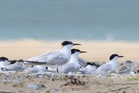
Major colonies of terns are displaying promising signs of recovery after being hit by years of bird flu, flooding and increasingly volatile weather, the National Trust has stated.
Little terns at Long Nanny, situated on the Northumberland coast, have achieved a record-breaking breeding season, while Blakeney Point in Norfolk welcomed back more than 1,100 pairs of Sandwich terns to breed following a two-year absence.
However, experts at the charity warned there is "no room for complacency", noting that species such as Arctic terns continue to confront significant threats. These include rising sea levels, changing marine conditions and increasingly unpredictable weather driven by climate change, alongside potential disease outbreaks.
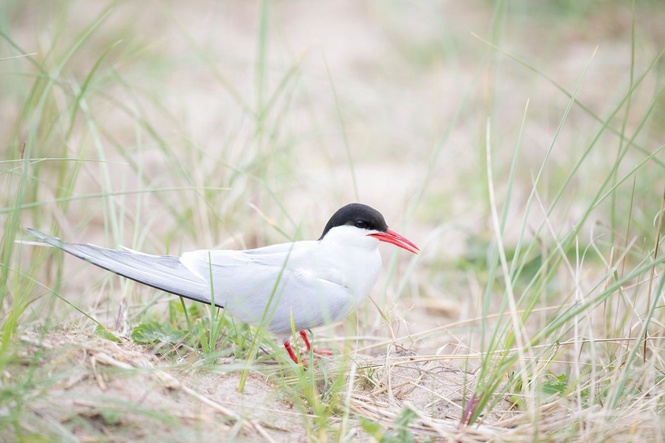
The Arctic tern colony at Long Nanny was devastated by avian flu in 2023, while recent seasons have seen nests repeatedly lost to high spring tides and severe weather events. Overall, Arctic tern numbers dropped by almost a third last year compared to the previous breeding season.
This year has brought a modest turnaround, with rangers recording a minimum of 730 active Arctic tern nests holding 1,346 eggs – representing a slight increase on the previous year's figures.
The data reinforces the location's status as the UK’s largest mainland colony for the birds, which were added to the UK Red List of conservation concern in 2024 following major population drops in recent years.
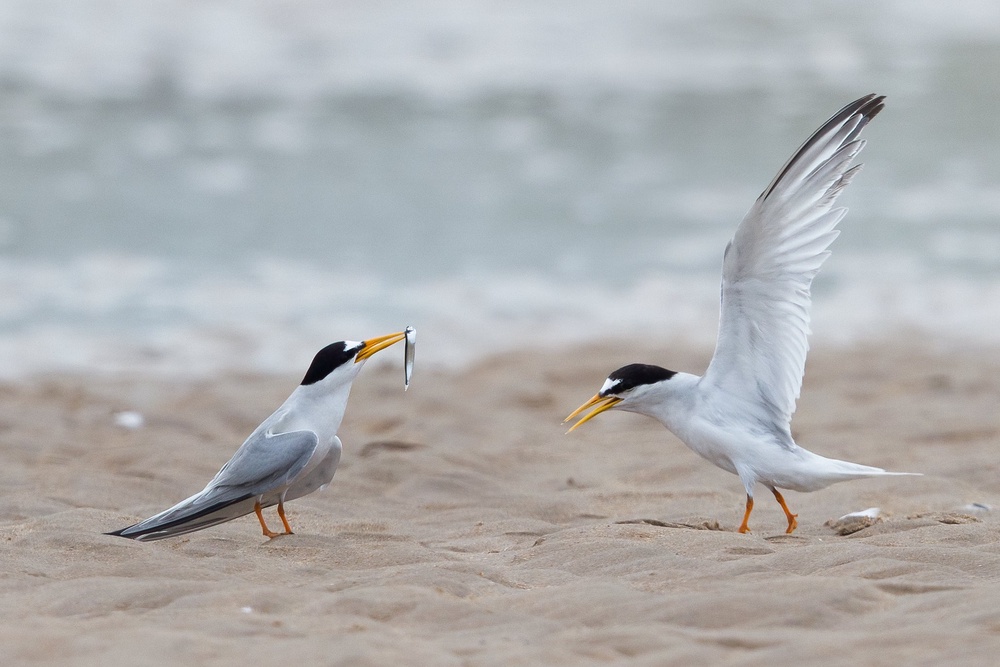
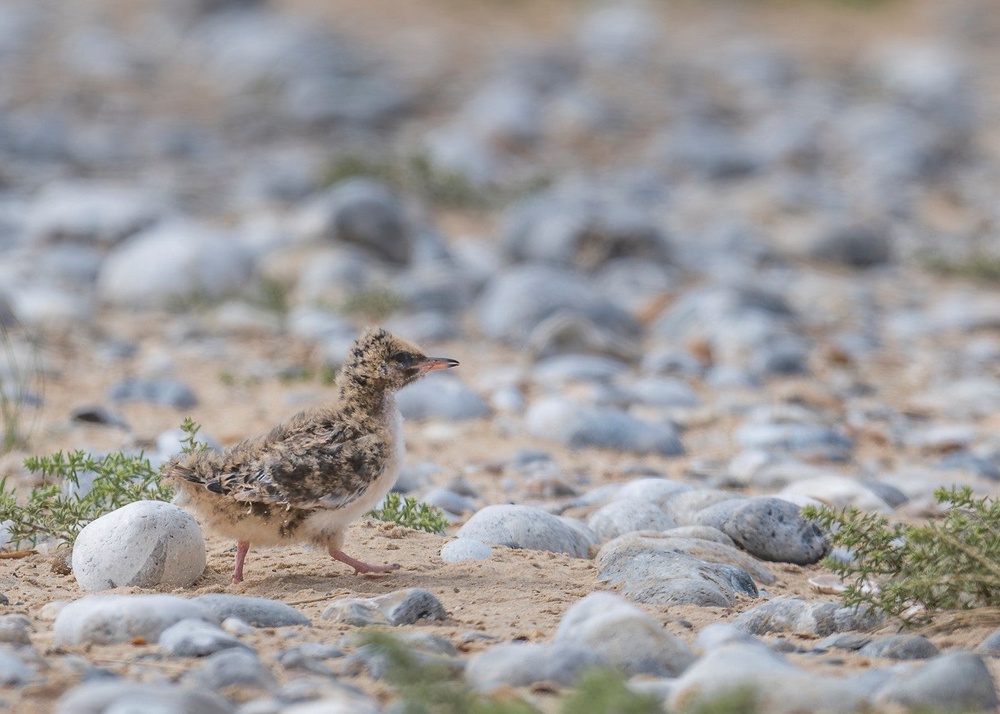
And Long Nanny had an “exceptional season” for little terns, the UK’s second-rarest breeding seabird which has experienced significant long-term declines across the country, rangers said.
A minimum of 126 pairs nested at the site, more than double the previous record of 57 pairs in 1994, while at least 82 chicks are known to have fledged – with the final total potentially more than 100.
James Porteus, lead ranger for the National Trust on the Northumberland coast, said: “After several years dominated by bird flu outbreaks, flooded nests and concerns about declining numbers, it’s incredibly encouraging to see the little tern colony responding so positively this year.”
“This has been an exceptional season for little terns at Long Nanny,” he said, adding that more than doubling the site record for breeding pairs was a testament to the staff, volunteers and organisations who helped protected the colony each year.
“Little terns face huge challenges throughout their migration and breeding cycle, so every successful nesting attempt matters,” Mr Porteus said.
“We’re also encouraged to see Arctic tern numbers slightly up on last year and breeding successfully alongside them, creating a busy and vibrant seabird colony.”
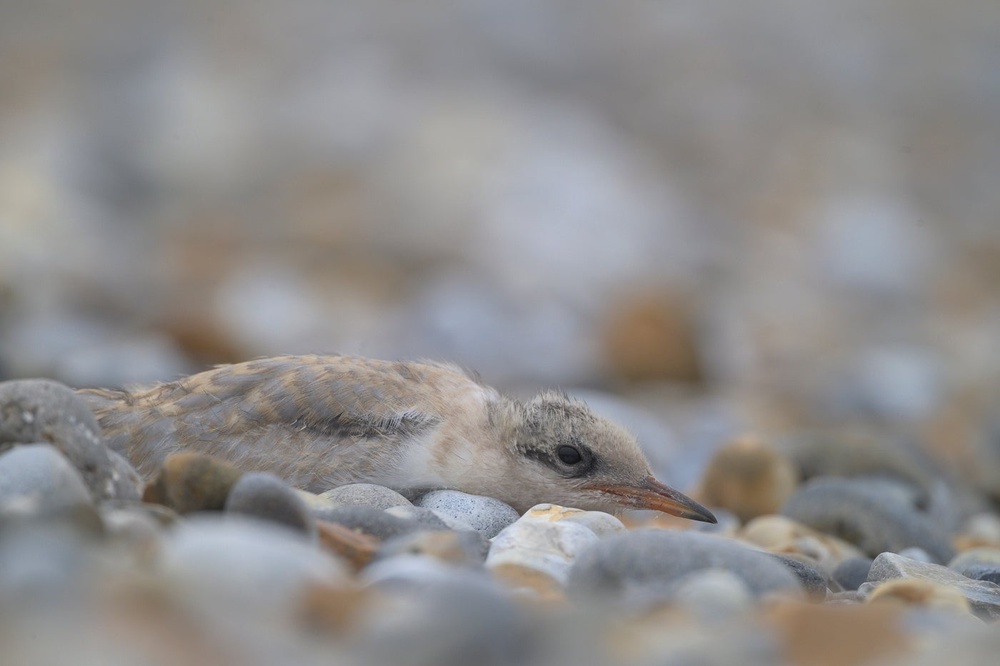
At Blakeney Point, part of Blakeney National Nature Reserve in Norfolk, 1,164 pairs of Sandwich terns were recorded, after two seasons when the species had failed to nest there.
There were also increases in common and Arctic terns, and rising numbers of black-headed gulls, whose presence can help provide extra protection for ground-nesting seabird colonies which are vulnerable to predators.
The National Trust said protection measures that had been put in were making a “real difference”, including fences to keep out predators such as foxes, creation of “refuge areas” for breeding birds, and tighter restrictions on dogs during the nesting season.
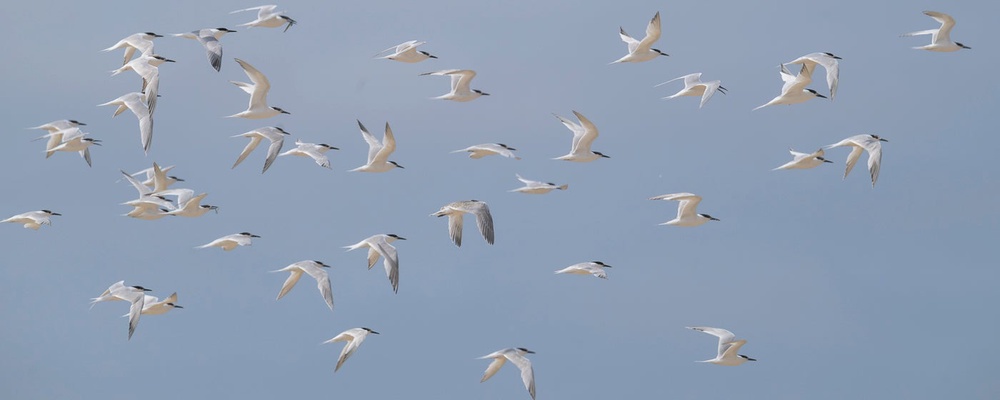
Edward Stubbings, National Trust area ranger at Blakeney Point, said: “We’re particularly pleased to see Sandwich terns return to Blakeney Point in such large numbers this year.
“The range of protection measures introduced over recent years appears to be making a real difference, not only for terns but also for other breeding birds including oystercatchers, ringed plovers and redshank.”
But breeding figures from the Farne Islands, off the Northumberland coast, show Arctic tern numbers fell by 27 per cent from 519 breeding pairs last year to 377 this year, and no common terns nested on the islands, compared with five pairs last year.
Ben McCarthy, head of nature conservation for the National Trust, said: “The record numbers of little terns at Long Nanny and the return of Sandwich terns to Blakeney Point show what can be achieved when internationally important breeding sites are carefully protected and managed.
“These results are particularly encouraging given the challenges seabirds have faced in recent years, from avian flu and extreme weather to wider pressures on the marine environment.”
“But there is no room for complacency,” Mr McCarthy warned.
“Species such as the Arctic tern, which was recently added to the UK’s Red List of Birds of Conservation Concern, continue to face significant threats from rising sea levels, increasingly unpredictable weather, disease outbreaks and changing marine conditions.”
Read MoreAviators eject into sea and four sailors are injured in dramatic USS Eisenhower crash
Delight as Sycamore Gap stump shows new shoots three years after felling