The dangers of smoking are well-documented and acknowledged across the world, but is the public truly aware of the main culprit that causes harm? Contrary to popular belief, it is not the cigarette itself that poses a great risk to our health, nor is it the nicotine in the cigarette. The real danger comes from cigarette smoke.
Despite knowing the dangers of smoking, many smokers find it a challenge to quit due to the addictive nature of nicotine. However, we need to keep in mind that nicotine mainly contributes to addiction and isn’t the true culprit behind the health risks that are often discussed. According to the Ministry of Health, “It is estimated that 43.0% of men and 1.4% of women, above the age of 15, smoke in Malaysia. These figures are still alarmingly high and more needs to be done to help smokers to quit.” Therefore, it is necessary for the public, especially smokers, to understand exactly how cigarette smoking can damage their bodies. With accurate information, it’s more likely for them to change their smoking habits, whether it’s switching to less harmful alternatives or quitting for good.
Burning & cigarette smoke
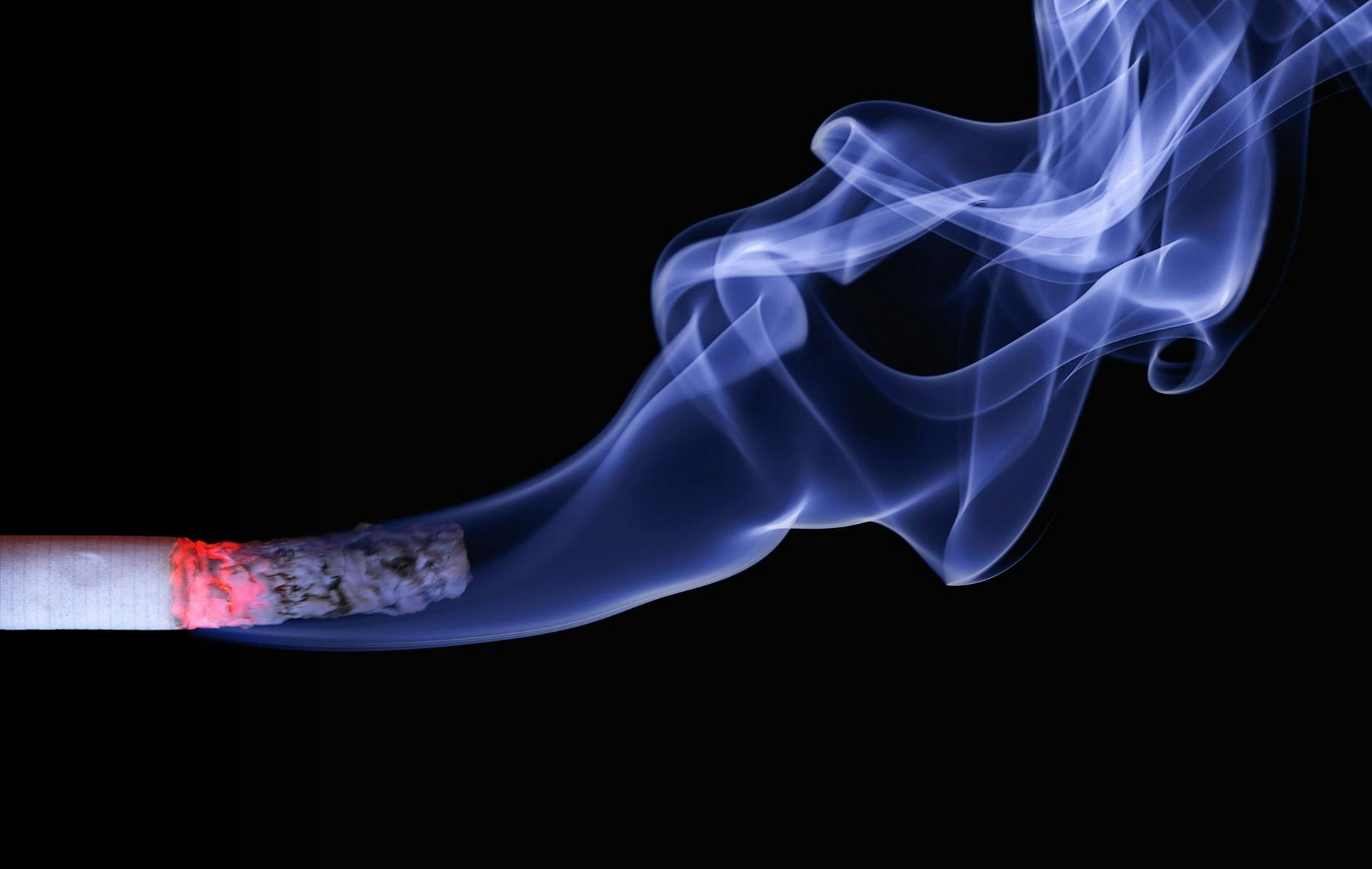
When we light up a cigarette, we start the combustion process that involves an extremely high temperature of around 800ºC or more. The product of this process is cigarette smoke, containing over 6,000 chemicals. Among these substances are over 100 toxic chemicals, including tar, carbon monoxide, and carcinogens, which are linked to smoking-related diseases.
One of the tell-tale signs of a chronic smoker is stained teeth, nails and fingers. This is caused by tar, the residue found in cigarette smoke, often described as a “sticky brown substance”. Tar doesn’t only affect what we can see from the outside; when smokers inhale cigarette smoke, tar enters the lung and forms a sticky layer on the inner surface, damaging the lung tissue and increasing the risk of several lung problems.
Cigarette smoke also contains carbon monoxide, a poisonous gas commonly found in car exhausts. This gas is odourless and colourless, but it can affect how blood transports oxygen to body organs. According to various studies, the bond between carbon monoxide and oxygen is about 200-300 times stronger than that between oxygen and haemoglobin. This reduces the ability of blood to transport oxygen, forcing the heart to work harder to supply the rest of the body with sufficient oxygen.
Immediate cessation is harder than you think.

In Malaysia, The Global Adult Tobacco Survey (GATS) was conducted twice – once in 2011 and once last year. Although the national prevalence of tobacco smoking has reduced from 23.1% in 2011 to 19% in 2023, the declining rate is not sufficient to reach the targeted national prevalence rate of 15% or lower by 2025. In comparison, Sweden’s smoking rate declined from 15% in 2008 to 5.6% in 2022.
What sets Sweden apart? A key difference mentioned by its public health agency is how the country did not demonise and restrict less harmful products, in addition to not opposing the sale of these products. It is vital for the public to understand and distinguish the differences between cigarettes and smoke-free alternatives, as the latter has been researched and proven to produce fewer toxicants and carcinogens.
Cigarette versus smoke-free alternatives
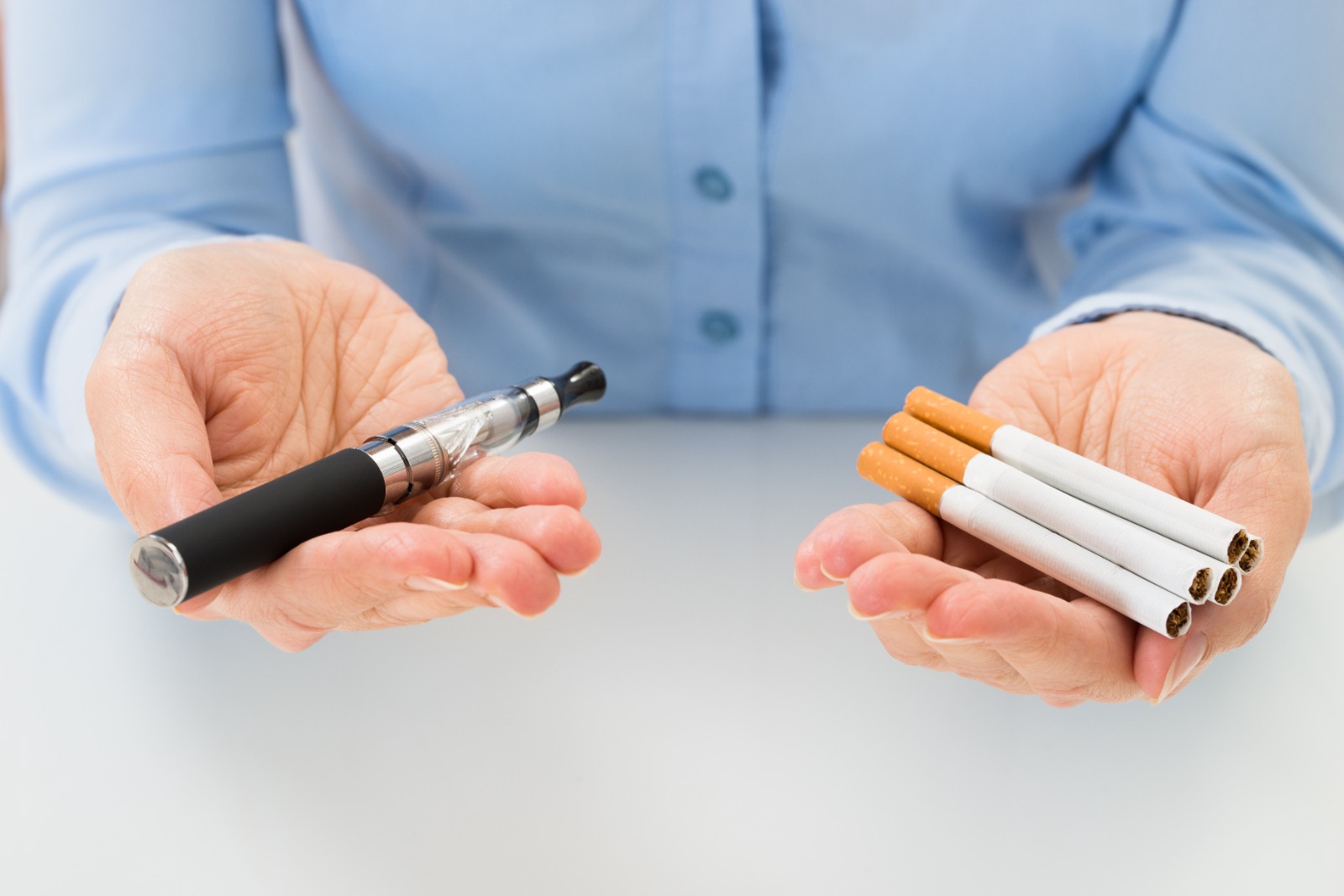
Whether it’s heated tobacco products (HTPs), e-cigarettes, snus, or other smoke-free alternatives, they’re less harmful than cigarette smoke because none involves combustion. E-cigarettes are not risk-free, but the harmful chemicals in them are lower than what is found in cigarettes. One of the reasons is because e-cigarettes heat liquid to deliver nicotine to its users. The aerosol that is produced is in vapour form, therefore tar and carbon monoxide are absent. Users can also opt for nicotine-free liquid when they use e-cigarettes, bringing them a step closer to smoking cessation.
In the context of HTPs, tobacco is heated to much lower temperatures ranging from 200ºC to 300ºC. By heating the tobacco and omitting the combustion process, HTPs deliver nicotine-containing tobacco aerosol instead of smoke, which also leads to lower production levels of harmful chemicals compared with cigarette smoke. When IQOS (a brand that sells heated tobacco products) was introduced in Japan, cigarette sales declined drastically over the span of five years.
If you’ve never tried smoking, don’t start.
Smoke-free alternatives may be less harmful than cigarettes, but they’re not entirely safe. If you’ve never smoked, don’t start. But if you’re currently a smoker, and you find it hard to quit or aren’t ready to quit just yet, smoke-free alternatives might help you ditch cigarette smoking.
It’s also important for the government and relevant organisations to continue addressing the dangers of cigarette smoking, conducting research on smoke-free alternatives, and educating the public to ensure they have the right perception towards these products and can make informed decisions for themselves and those around them.