Dear PAO,
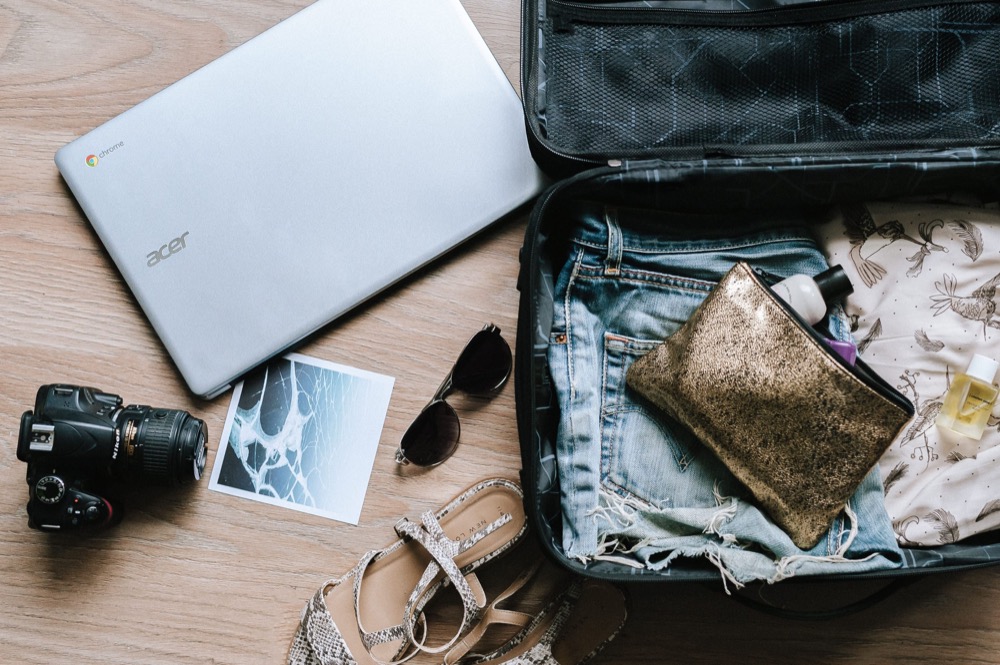
My ex-girlfriend refuses to return my professional camera after I’ve broken up with her. While I am fully determined to bring the matter to the courts because of her blatant refusal to settle it amicably, I am also aware that court proceedings can take time — which is something I cannot afford since I have an upcoming photography project that I cannot risk losing. I just want to know if there’s a way for me to legally take immediate possession of my camera and through what process it can be done.
Jus
Dear Jus,
In our jurisdiction, the recovery of a personal property can be lawfully made through an action for replevin. In BA Finance Corporation v. Honorable Court of Appeals and Roberto M. Reyes (GR 102998, July 5, 1996), the Supreme Court, speaking through Associate Justice Jose Vitug Jr., characterized replevin as both a principal remedy and a provisional relief. As expounded by the high court, “[i]t may refer either to the action itself, i.e., to regain the possession of personal chattels being wrongfully detained from the plaintiff by another, or to the provisional remedy that would allow the plaintiff to retain the thing during the pendency of the action and hold it pendente lite.”
As a provisional relief, the remedy of replevin allows the party seeking the same, also known as the “plaintiff,” to retain possession of the property subject of litigation during the pendency of the same. Rule 60 of the 2019 Revised Rules of Civil Procedure (AM 19-10-20-SC), which became effective on May 1, 2020, governs the procedure for the application of a writ of replevin. Under this, a party seeking recovery of a personal property may apply for an order for its seizure and subsequent delivery to him/her at the commencement of the action or at any time before answer is filed by the party against whom such action is filed. (Section 1, Rule 60, A.M. No. 19-10-20-SC)
Before the courts may issue an order requiring the sheriff or other proper officer of the court to take the property described thereunder into custody, however, the party seeking the issuance of writ of replevin must first file an affidavit stating that 1) he/she is either the owner of the property claimed and described, or is entitled to its possession; 2) that the property is wrongfully detained by another, as well as the cause of detention thereof; 3) that the subject property has not been taken for a tax assessment or fine pursuant to law, or seized under an execution, or an attachment against the property of the plaintiff, or, if so seized, that it is exempt from such seizure; and lastly, 4) the actual value of the property. (Sections 2 and 3, Rule 60 of AM 19-10-20-SC)
Too, and of equal significance, the plaintiff must post a replevin bond executed in favor of the defendant in an amount equivalent to double the actual market value of the subject property, “to indemnify the [latter] against any loss that he may suffer by reason of its being compelled to surrender the possession of the disputed property pending trial of the action. The same may also be answerable for damages if any when judgment is rendered in favor of the defendant or the party against whom a writ of replevin was issued and such judgment includes the return of the property to him.” (Citibank, N.A. v. The Honorable Court of Appeals and Douglas F. Anama, GR 61508, March 17, 1999, Ponente: Associate Justice Fidel Purisima)
In your case, the quickest possible way to recover possession of your professional camera would be by filing a complaint for the recovery of the same, accompanied by a prayer for issuance of writ of replevin against your ex-girlfriend. To carry it out, you must narrate under oath the circumstances surrounding your dispossession of the professional camera, and you must post a replevin bond to reclaim immediate — albeit temporary, possession of the same.
We hope that we were able to answer your queries. This advice was solely based on the facts you have narrated and our appreciation of the same. Our opinion may vary when other facts are changed or elaborated.
Thank you for your continued trust and support.
Editor’s note: Dear PAO is a daily column of the Public Attorney’s Office. Questions for Chief Acosta may be sent to dearpao@manilatimes.net