
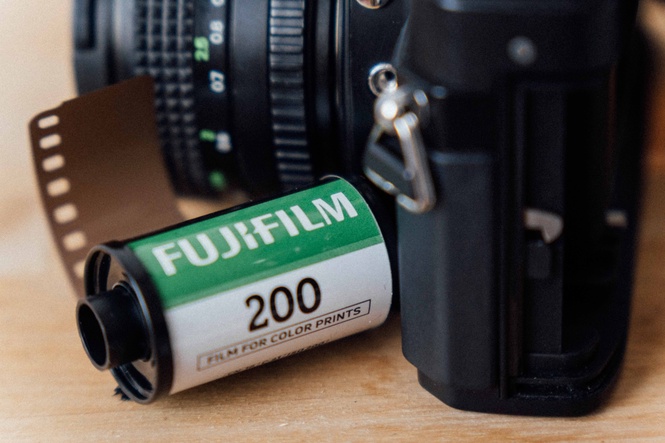
“Dah cuci gambar?” is a phrase familiar to many older Malaysians depicting whether the picture has been printed. But what does it mean for an image to be “washed”? For that, we would have to look into the history behind the term. Gone are the days when we were limited to 36 pictures per roll, eventually having to get our roll of film developed at a shop, or was it always here? To many older generations, film was a thing of the past, but it is making a comeback for today's young adults, which begs the question, “Why is it making a comeback?”
To many, taking pictures on film is considered a time-consuming and troublesome process since we are provided with the liberty of taking photos of anything we want, getting the results in a matter of seconds. However, to many film enthusiasts, the slower process is what they wish to do, especially living in a fast-paced world.
What makes shooting on film worth the hassle?
Yes, capturing photos on film is indeed quote-on-quote “troublesome”, but to the people who are using film as a medium to take photographs, many prefer the process and the outcome of it. One film hobbyist, Samuel from Selangor, who currently takes film pictures for the joy of it, mentions that he considers his film cameras his “second girlfriend”. He noted that film photography has advantages because it forces him to be patient, and the outcome is much more rewarding than digital photography. However, he did talk about how the outcome is sometimes hit or miss.
“Grainsssssss”, Samuel mentioned when he was asked the reason why he shoots on film.
Bernice, an Advertising student at Taylor’s University, shared that she has an intimate relationship with film photography, especially with the support of her dad when she got her first film camera from him, which allowed her to capture many important memories with film photography eventually.
Aizuddin, a photojournalist from The New Straits Times, mentions that his interest in film photography comes from the unique colour quality compared to digital photography. He shared the same sentiment as Samuel about how the outcome can sometimes be hit or miss. However, he believes that
“…sometimes too perfect is not good for the production of a work.”
How did you know about film photography?
For Samuel, it was introduced when he was with his uncle around three years ago; he cultivated an interest in film photography as he saw the photos his uncle had taken. Borrowing the camera from him, his uncle taught him how to use it to capture pictures, and that was when he knew that he couldn’t live without film photography.
Similarly, Bernice got into film photography when her dad gifted her a film camera, stating her continuous interest towards it. Eventually, film photography got even more trendy online; and as she would describe it herself,
“...I started getting a lot of videos about film photography on TikTok, and it just kind of happened.”
In contrast, Aizuddin got into film photography back in 2007. However, he then came back into film photography back in 2020. The goal is that he wants to maintain the momentum of his interest in photography so that his company’s style won’t be the only style he is influenced by but instead has a personal touch too, with the help of film photography.
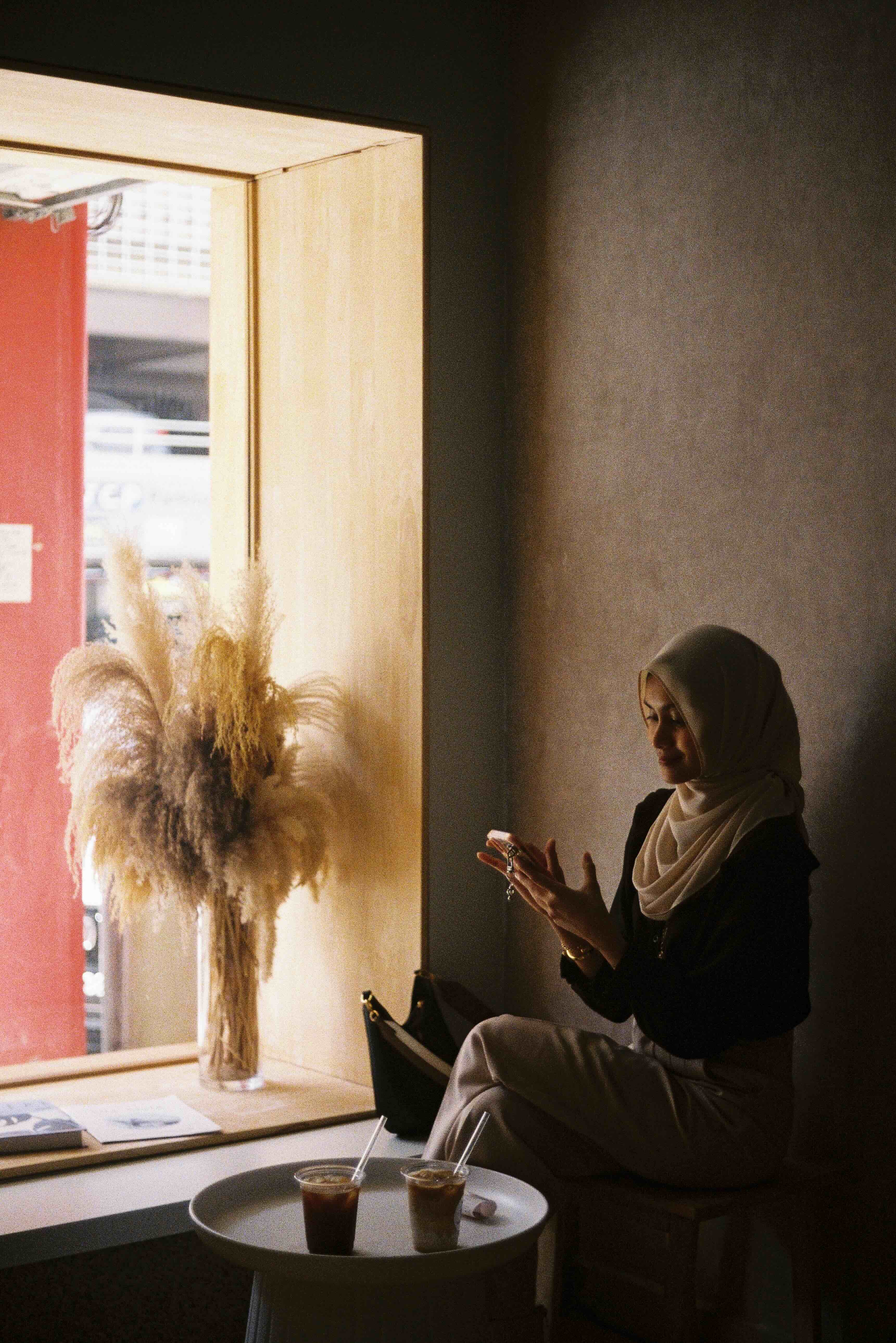
But… film prices are rising. Does that mean shooting less?
We decided to pose this question to one of Malaysia's well-known darkrooms, Zontiga, in the heart of Taman Paramount in Petaling Jaya. When asked how they would describe themselves in one word, they labelled themselves as a ‘creative hub for photography enthusiasts’. Stacy from Zontiga replied regarding the demand for film, the price rise, and whether it would drop again.
“The prices of film and chemicals have continued to rise due to the lack of raw material and the falling ringgit. If the global supply of film stabilises—and our ringgit improves—perhaps the film prices will come down or at least seem less expensive.”
Film hobbyist Samuel brought up that though he loves film photography, but he does not shoot much with it; therefore, it won’t be too big of a deal for him at the end of the day. Bernice had a similar answer, mentioning that she had been shooting much less than when she first started. She shared that nowadays, due to the rise in film prices, she finds it attractive that she does not remember what she takes anymore, but she does see herself shooting more film as she ventures into commercial-based film photography work. On the other hand, Aizuddin mentioned that he had expected film prices to increase for years and that he had stocked up on hundreds of rolls of film. But he did note his use of film nowadays, especially with the price rise, is only when he travels or has any special photography projects, such as his recent exploration of the Bajau Lau ethnic in Semporna, Sabah.
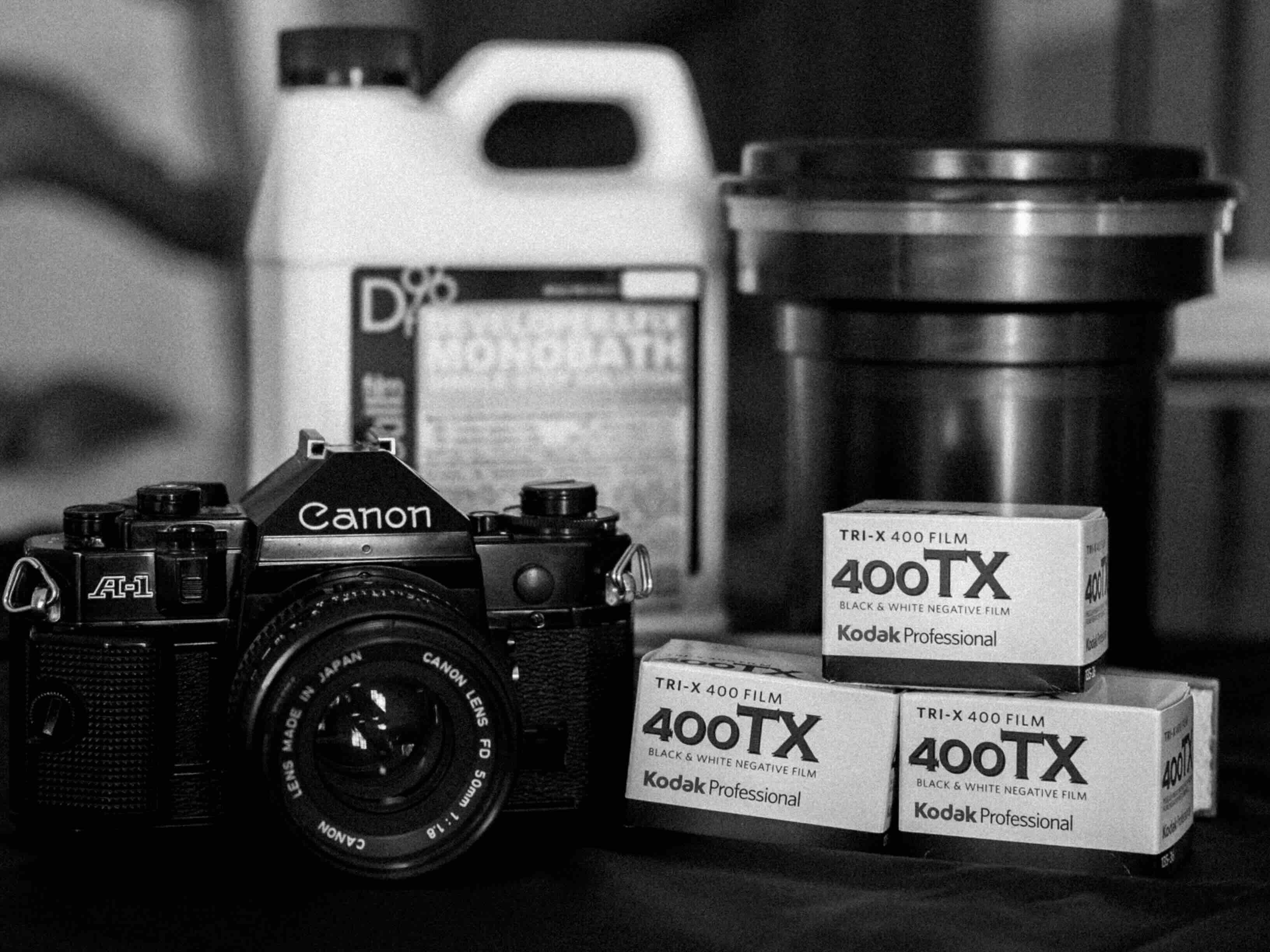
What about the environment? Doesn’t the process of “Cuci Gambar” involve chemicals?
There is a general understanding that the process of developing film involves a chemical process which includes elements that can be detrimental to the environment. Regarding that, Zontiga mentioned how, regarding environmental sustainability, they practice safe disposal and recycling of the chemicals involved while developing film. During the interview, they also suggested other methods to home-process film in non-toxic ways.
Trends come and go; would people continue shooting on film despite the trend dying?
When asked whether they would continue shooting on film, Samuel said he would take pictures on film till the day he dies. Bernice, who mentioned about her venture into professional film photography work, mentioned that she would eventually upgrade her set of gears or remain with a reliable point-and-shoot film camera. On the other hand, even though Aizuddin has brought up his bulk purchase of films, he does see himself slowing down, especially with the price increase, which will eventually limit his involvement in film photography.
Stacy gave an answer that could resonate with many readers replying to this question.
“Film photography will always have its place, and trends will always come and go.”
“FILM IS BETTER THAN DIGITAL!” die-hard film photographers would agree, while others, otherwise.”
When the film versus digital debate was brought up, Samuel talked about how both mediums of photography have their advantages. Instead, whether one wants to experiment with different photography styles brings film photography into the picture.
Another question was then posed to the interviewees: their stance on the simulation of film in digital photography.Both Stacy and Aizuddin answered that there was nothing wrong with that. Samuel gave a similar answer but mentioned that to him personally, the simulation of film on digital pictures turns him off. Bernice answered similarly, adding that the reason why she does not find the emulation of film photography wrong is because it makes it more accessible,
“But I think it makes commercial work for like the film aesthetic much easier, and you don't really waste money because you know, film photography is there for the process of shooting that photo and not just for the outcome.”
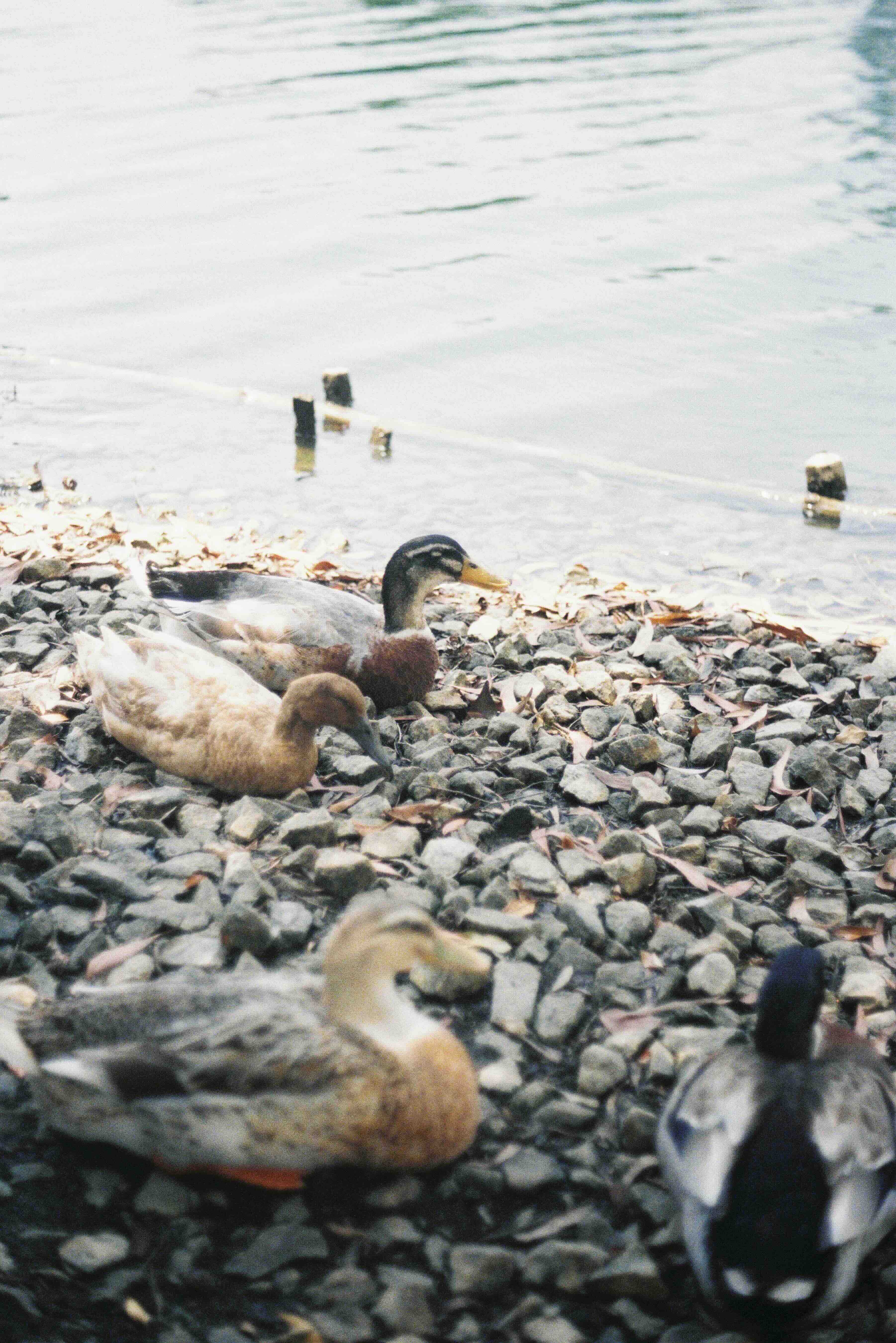
Does taking pictures on film help make you a better photographer?
Film hobbyist Samuel agrees that it helped him pay more attention to the lighting he uses for his pictures since film photography involves a light-sensitive process to capture the image onto the roll of film. Adding on to that, he believes that film photography has also helped him with his technical skills. Like Samuel, Aizuddin mentioned that his venture back into film photography allowed him to master the principal aspects of photography, such as the rule of thirds, balance, leading lines, etc.
Bernice answered that film photography has allowed her to better idealise her mood board, posing people more intentionally; adding on to that, she mentioned that pre-production is much more elaborate for her since she got into film photography.
Stacy from Zontiga brought up the concept of being more “present” when using film. When asked about film being “reliable” in a world where AI is used as a tool to manipulate pictures, she mentioned,
“Perhaps ‘reliable’ isn’t the right word to describe film photography, but having limited shots on a roll and being unable to see what we have captured immediately helps us connect to our subjects better, making the actions and interaction more authentic.”
At the end of the day, even though film photography will never reach its prime back in the 90s, maybe, in the fast-paced world that we live in, where we have everything in the palm of our hands, and everything comes in an instant, perhaps film photography could teach us to slow down. After all, good things come to those who wait, right?
Isaac Loo Kian Teck is a content creator under the Newswav Creator programme, where you get to express yourself, be a citizen journalist, and at the same time monetize your content & reach millions of users on Newswav. Log in to creator.newswav.com and become a Newswav Creator now!
The User Content (as defined on Newswav Terms of Use) above including the views expressed and media (pictures, videos, citations etc) were submitted & posted by the author. Newswav is solely an aggregation platform that hosts the User Content. If you have any questions about the content, copyright or other issues of the work, please contact Newswav.