Social work plays a vital role in supporting vulnerable communities, improving public welfare and ensuring that individuals receive the care and assistance they need. In many situations, social workers collaborate closely with healthcare professionals to provide holistic support to patients and families. However, one important principle that should always be maintained is the need to stick to medical operations and professional boundaries within social work settings.
Medical operations refer to the procedures, protocols and responsibilities carried out by qualified healthcare professionals such as doctors, nurses, paramedics and allied health practitioners. These operations are based on clinical knowledge, legal regulations, patient safety standards and ethical guidelines. While social workers are essential members of the support system, they must recognise the importance of allowing medical professionals to lead all healthcare-related decisions and procedures.
One major reason for maintaining this boundary is patient safety. Medical decisions often involve complex assessments, diagnoses, treatments and risk evaluations. Any misunderstanding or interference by individuals without proper medical training may unintentionally place patients at risk. Social workers should therefore focus on their core responsibilities such as emotional support, family coordination, welfare assistance, discharge planning and connecting patients to community resources while respecting the authority of the medical team in clinical matters.
Sticking to medical operations also promotes better teamwork and interprofessional collaboration. In healthcare environments, every professional has a specific role that contributes to patient care. Doctors diagnose and treat illnesses, nurses monitor patient conditions, physiotherapists assist rehabilitation and social workers address psychosocial and welfare concerns. When each professional remains within their scope of practice, communication becomes more efficient, misunderstandings are reduced and patient outcomes improve. Respecting professional boundaries helps create a more organised and harmonious healthcare system.
In addition, adhering to medical operations protects organisations from legal and ethical complications. Healthcare institutions operate under strict laws and professional standards. If unqualified personnel provide medical advice, alter treatment plans or interfere with clinical procedures, this may result in negligence claims, disciplinary action or damage to the organisation’s reputation. Social workers must therefore understand the limitations of their role and always refer medical concerns to the appropriate healthcare professionals.
Another important aspect is trust. Patients and families place great trust in healthcare systems. They expect medical information and treatment decisions to come from qualified practitioners. When social workers support the medical team without overstepping professional boundaries, it strengthens public confidence and ensures that patients receive accurate and reliable care. At the same time, social workers continue to provide compassionate emotional and social support that complements medical treatment.

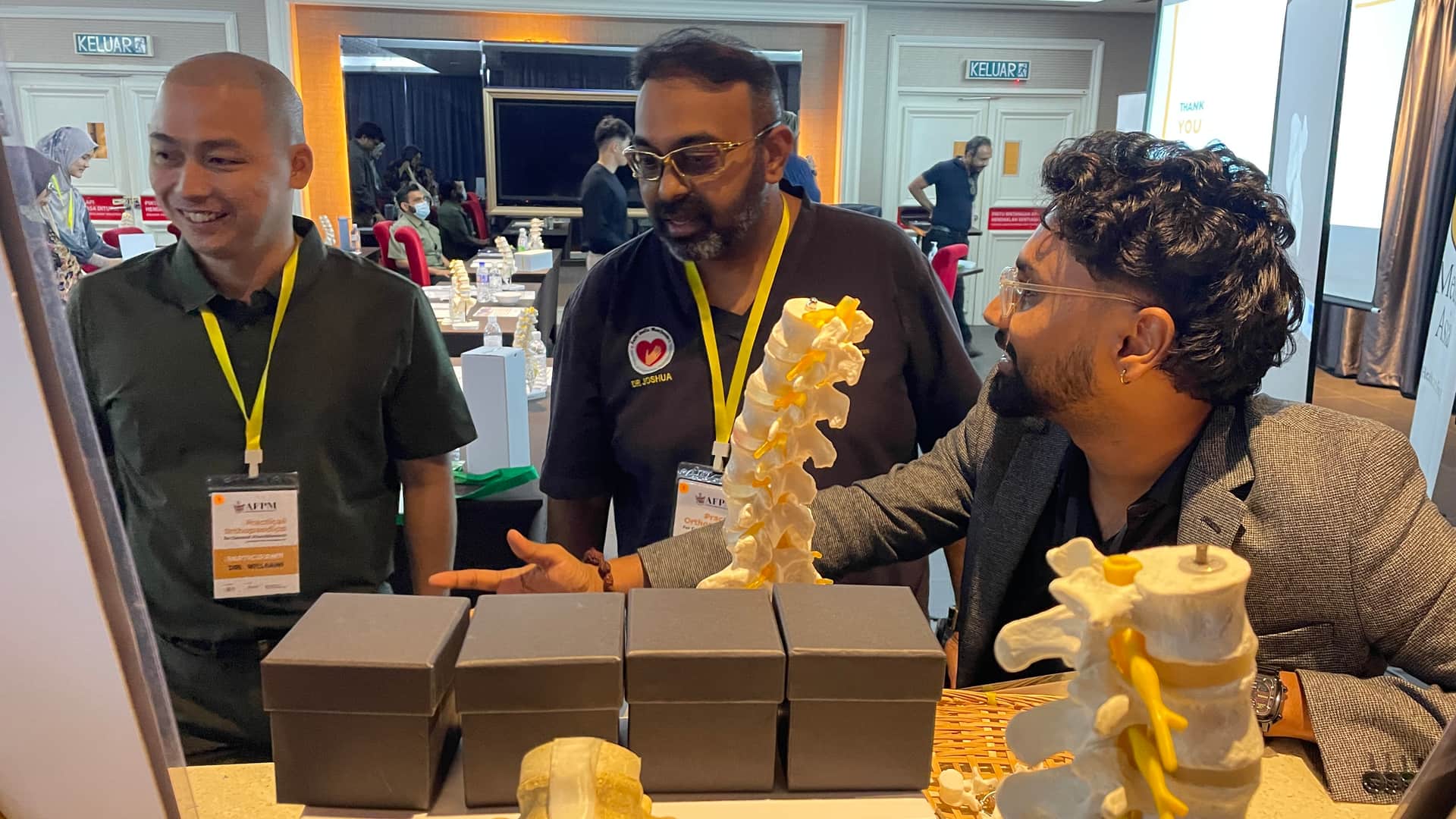
From my own experience in the medical training industry, I have witnessed how proper coordination between healthcare professionals and support services can significantly improve patient care and healthcare delivery. Having a background in social work has allowed me to better understand the importance of empathy, communication and community support while my involvement in medical training has shown me the importance of clinical structure, operational discipline and professional accountability. Both sectors are deeply connected and must work hand in hand while respecting each other’s professional boundaries.
In conclusion, maintaining clear professional boundaries and sticking to medical operations is essential in social work settings. It ensures patient safety, strengthens teamwork, protects organisations legally and ethically and promotes trust within healthcare systems. By understanding and respecting their roles, social workers and healthcare professionals can work together effectively to provide comprehensive and compassionate care for the community.
Laguvendran Sandran (laguvendran96@gmail.com) is a content creator under the Newswav Creator programme, where you get to express yourself, be a citizen journalist, and at the same time monetize your content & reach millions of users on Newswav. Log in to creator.newswav.com and become a Newswav Creator now!
The User Content (as defined on Newswav Terms of Use) above including the views expressed and media (pictures, videos, citations etc) were submitted & posted by the author. Newswav is solely an aggregation platform that hosts the User Content. If you have any questions about the content, copyright or other issues of the work, please contact creator@newswav.com.