
Ovens of Marble: The Heatwave That Found Europe Unarmed
Europe is melting under an unforgiving sun, with temperatures shattering records across the continent like glass ornaments. Denmark recorded its highest temperature since 1874, and the Czech Republic exceeded 40°C for the first time, turning streets into frying pans and shadows into scarce refuge. This extreme weather has tragically claimed hundreds of lives from heatstroke and related complications, with Spain and France among the hardest-hit nations, their hospitals overflowing like besieged fortresses. As the continent—warming at twice the global average rate—confronts this new climatic reality, a critical infrastructure deficit has become deadly apparent: Europe's homes are simply not equipped for the heat. They stand as beautiful, ancient ships, ill-prepared for the tropical seas that now wash against their shores.
Deadly Barriers to Cooling
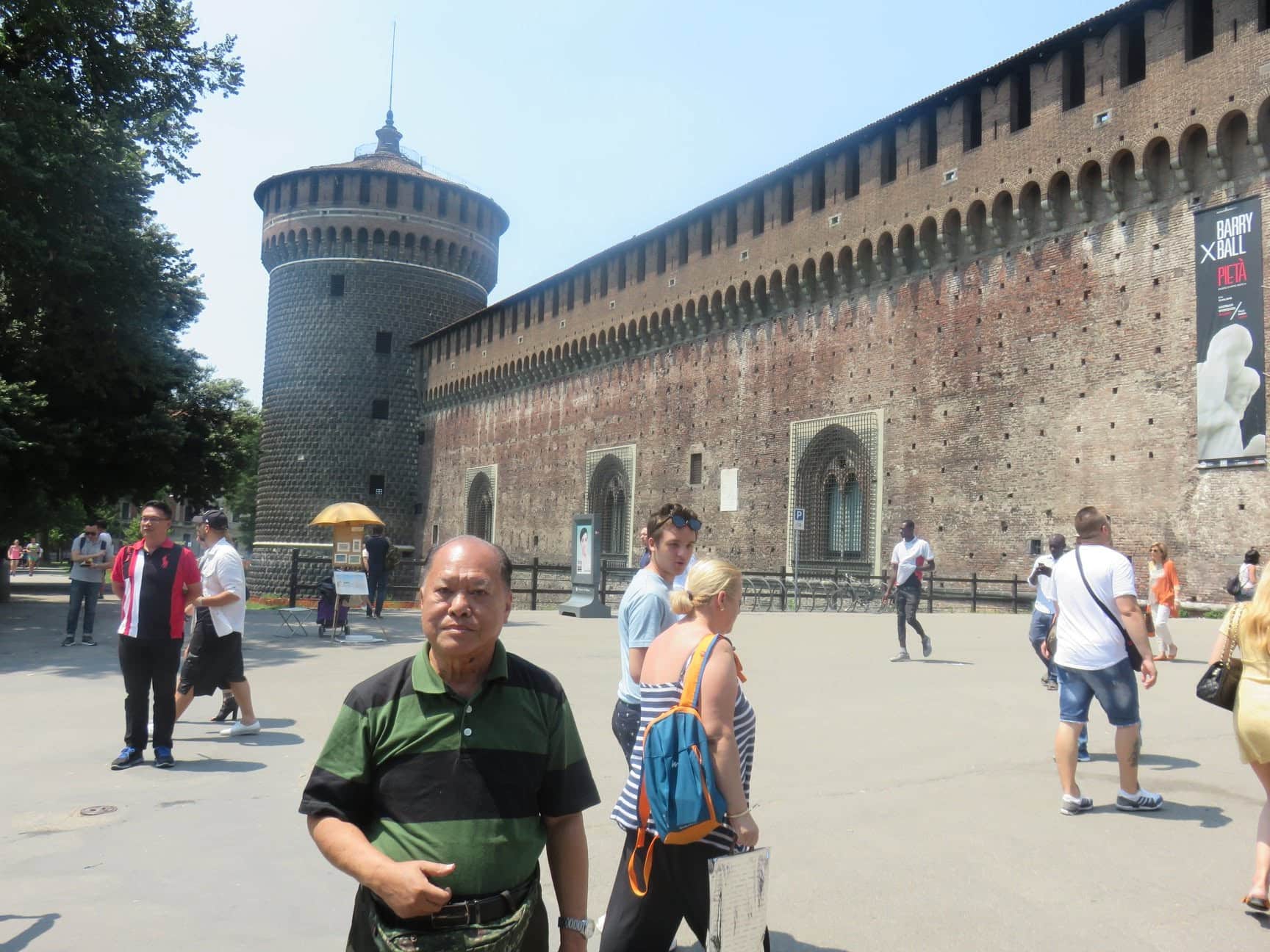
The primary obstacle to adopting air conditioning in many European cities is the very fabric of its urban landscape—a tapestry woven centuries ago. A significant portion of the housing stock, particularly in historic capitals like Paris and Rome, was built when kings ruled and air conditioning was a fantasy confined to science fiction. These buildings are considered architectural heritage, treasured like rare jewels, and stringent preservation laws are designed to protect their character as fiercely as dragons guard their gold. Regulations often forbid drilling into thick stone walls—those ancient bones of the city—for piping or unsightly outdoor condenser units that would deface a building's facade like graffiti on a masterpiece. Obtaining the necessary permits is a notoriously complex administrative labyrinth that can take months to navigate, and for many listed buildings, approval is simply denied, a door slammed shut with bureaucratic finality. This challenge is compounded by the fact that many homes lack the existing ductwork required for central cooling systems, making any installation a costly and invasive project akin to performing open-heart surgery on a patient who cannot afford to bleed.
Bureaucracy and Cost
Even when a building is suitable, the path to installing an air conditioner is a treacherous obstacle course, fraught with red tape and prohibitive costs that act as iron gates. The complex permitting process and high labor costs for specialized installation work put air conditioning out of reach for many, dangling it like a forbidden fruit. In countries like Germany, where home penetration is as low as 3% to 5%, air conditioning has long been viewed as an unnecessary luxury rather than a necessity—a frivolous bauble for the weak. With only about 20% of European homes having some form of cooling, the majority of the population has been left sweltering, trapped in ovens of their own making. However, as heatwaves become the relentless drumbeat of summer, this perception is shifting from "nonessential" to "a survival necessity," a mental revolution as profound as accepting that winter brings snow.
The Chinese Solution and a Changing Market
This surge in demand has created a massive market opportunity, a golden goose that Chinese manufacturers have been quick to grasp with both hands. European imports of Chinese air conditioners have soared like eagles, with a 43.2% increase in the first half of the year alone, a tide of machinery washing ashore from the East. The most popular solution has been innovative "mobile split" or portable units—cooling lifelines tossed to a drowning continent. These products are designed to bypass the installation hurdles of traditional systems like stealthy spies slipping past guards—they require no permanent drilling or complex setup, circumventing both the strict heritage laws and the high cost of professional installation as nimbly as a cat dodging rain. The dramatic shortages across Europe have turned the search for these units into an epic odyssey, with consumers driving hundreds of kilometers like modern-day pilgrims or developing apps to track stock, only to often find items sold out, their hopes dashed against the rocks of supply and demand.

Conclusion
The current heatwave in Europe has exposed a deep vulnerability, a fault line running through the continent's soul. While the tragic death toll underscores the immediate danger of extreme heat—a predator stalking the elderly and vulnerable—the barriers to cooling, from fragile ancient buildings to strict government regulations and prohibitive costs, are a complex web of cultural, economic, and bureaucratic challenges, a Gordian knot that defies simple cutting. The sudden reliance on imported Chinese portable units is a temporary fix, a bandage on a wound that requires surgery, highlighting a market response to a crisis but not a long-term solution. As Europe warms at twice the global average, it is clear that surviving future summers will require a fundamental rethinking of how to adapt its historic cities and homes to a changing climate—a transformation as monumental as learning to breathe underwater. The continent must either find a way to cool its cherished past or risk watching it crumble under the weight of an overheating future.
moykokming@gmail.com
Moy Kok Ming (moykokming@gmail.com) is a content creator under the Newswav Creator programme, where you get to express yourself, be a citizen journalist, and at the same time monetize your content & reach millions of users on Newswav. Log in to creator.newswav.com and become a Newswav Creator now!
The User Content (as defined on Newswav Terms of Use) above including the views expressed and media (pictures, videos, citations etc) were submitted & posted by the author. Newswav is solely an aggregation platform that hosts the User Content. If you have any questions about the content, copyright or other issues of the work, please contact creator@newswav.com.