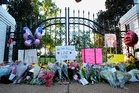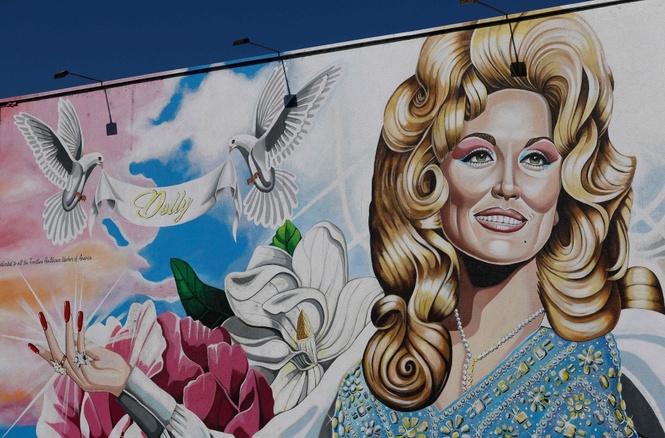
NASHVILLE, Aug 27 — Dolly Parton’s death has prompted a renewed look at the long and unlikely journey of I Will Always Love You, a song she wrote 50 years ago that went on to shape careers far beyond her own.
The track, first released in 1974, began as a private farewell to her mentor Porter Wagoner to express her gratitude and her determination to go solo, before becoming a global phenomenon through Whitney Houston’s 1992 cover for The Bodyguard, according to the BBC.
Parton once said she wrote the song after realising she needed to leave Wagoner’s show to pursue her own path, recalling that she told herself, “What do you do best? You write songs.”
She described singing the song to Wagoner alone in his office, and remembered him telling her, “That’s the best song you’ve ever wrote,” before agreeing to let her go if he could produce it.
Parton’s decision to walk away from the partnership marked a turning point in her career, and the song quickly became one of her most enduring works.
On The Bobby Bones Show, Parton said the same writing session that day also produced Jolene, but later clarified in a 2022 interview with the Lexington Herald‑Leader that the two tracks may have been written only “a few days apart,” but were recorded on the same cassette.
The BBC noted that Elvis Presley had wanted to record I Will Always Love You, and Parton said she was thrilled, telling him, “You cannot imagine how excited I am about this,” and adding, “This is the greatest thing that’s ever happened to me as a songwriter.”
But the offer collapsed when Presley’s manager, Colonel Tom Parker, demanded half of the publishing rights, a condition Parton refused to accept.
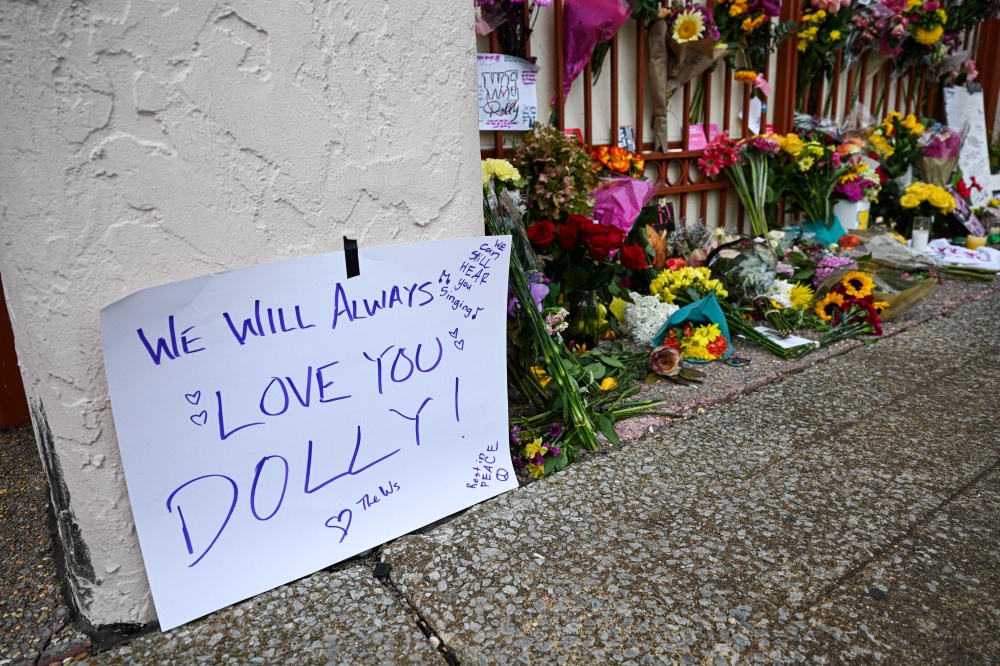 Flowers and notes are left outside Dolly Parton’s studio on Elmwood Street in Nashville, Tennessee August 26, 2026. — AFP pic
 She said she cried all night after turning it down, but the decision ultimately protected the song’s long‑term value.
The track resurfaced in Hollywood when Kevin Costner suggested it for The Bodyguard, and producer David Foster reworked Linda Ronstadt’s earlier cover into the version Houston eventually recorded.
Costner also proposed opening the song a cappella to better serve the film’s emotional tone, a choice that shaped the dramatic build of Houston’s final recording.
Houston told Rolling Stone she admired Parton as “a hell of a writer and a hell of a singer,” and said she was relieved when Parton said she was “floored” by the new interpretation.
Parton similarly described the shock of hearing Houston’s version for the first time, telling Howard Stern she was driving home in her Cadillac and had to pull over when she “almost wrecked” the car because the song overwhelmed her.
She said, “I was like a dog hearing a whistle... It was ringing some sort of bell,” and added that by the time Houston reached the chorus she “couldn’t believe my little country sad song could even be done like that.”
She called the moment “one of the greatest experiences I’ve ever had in my entire life.”
Houston’s recording became a global hit, topping the US Billboard Hot 100 for a then‑record‑breaking 14 weeks, earning record of the year at the 1994 Grammy Awards, and becoming the best‑selling single of all time by a female solo artist.
Parton reportedly earned more than US$10 million (RM47 million) in royalties from the song’s resurgence and said in 2021 that she invested part of those earnings in a Black neighbourhood in Nashville as a tribute to Houston, who died in 2012 at the age of 48.
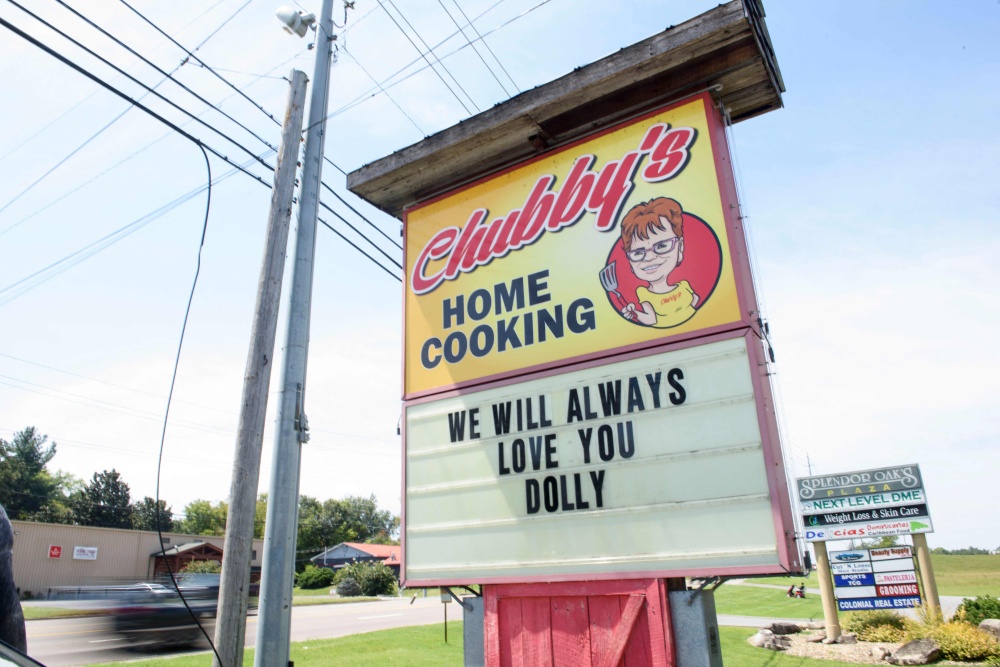 A sign at a local restaurant offers a note in support of Dolly Parton in Sevierville, Tennessee August 26, 2026. — Melissa Sue Gerrits/Getty Images North America/Getty Images pic via AFP
 The song’s cultural presence has remained strong, with a theatre performance of The Bodyguard halted last year when audience members sang along too loudly.
Parton once joked that she had made enough money from the song to buy Elvis Presley’s Graceland “multiple times over.”
The BBC added that fans have imagined what Presley’s version might have sounded like, with some AI‑generated interpretations attempting to fill the gap.
Parton’s death has led many listeners to revisit the song’s origins, its reinventions and the emotional force that carried it across generations.