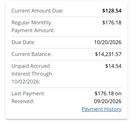
Student loan forgiveness can erase a frightening balance from a borrower’s account, but the IRS may not always let that erased debt disappear quietly. A federal tax break that shielded many forgiven student loans from federal income tax ended after 2025, putting the so-called student loan “tax bomb” back on the financial radar for 2026.
That does not mean every borrower who receives forgiveness in 2026 will suddenly owe taxes on the entire amount. The type of forgiveness, the timing, and the borrower’s circumstances all matter. Still, anyone expecting a large balance to disappear should look beyond the loan statement and consider what might show up on a future tax return.
The Tax Break Had an Expiration Date
For several years, federal law gave many forms of student loan forgiveness unusually favorable tax treatment. The American Rescue Plan Act excluded certain forgiven student debt from federal taxable income for discharges occurring after December 31, 2020, and before January 1, 2026. That temporary window has now closed.
That change creates an odd financial calendar. A borrower could spend years making payments under an income-driven repayment plan, finally reach the point where a remaining balance qualifies for discharge, and then discover that the tax rules have changed by the time the cancellation occurs. The debt may vanish from the loan account while creating a new tax issue elsewhere.
The IRS generally treats canceled debt as income unless an exception or exclusion applies. So, if $30,000 of qualifying student debt becomes taxable income, the borrower does not receive $30,000 in cash. Instead, the IRS can treat that $30,000 as income for tax purposes. That distinction explains why the phrase “tax bomb” sounds so dramatic. The borrower gets relief from debt, not a $30,000 check.
A Forgiven Balance Can Create a Surprisingly Awkward Bill
Consider a purely hypothetical borrower who receives $40,000 in taxable student loan forgiveness during 2026. The borrower does not suddenly have an extra $40,000 sitting in a bank account, yet the forgiven amount may increase taxable income by $40,000.
The actual tax bill depends on the borrower’s complete tax situation, including filing status, deductions, credits, and marginal tax rates. A simple percentage applied to the entire forgiven balance can therefore produce a misleading estimate. Still, the basic problem remains: a large cancellation can produce a tax obligation without providing new cash to pay it.
That timing can sting. Someone may have planned around the disappearance of a $40,000 loan balance and then discover months later that the tax return needs room for an additional liability. The IRS Taxpayer Advocate Service specifically warns that borrowers facing forgiveness in 2026 or later may need to consider withholding changes, estimated payments, or setting aside money.
Not All Student Loan Forgiveness Gets the Same Tax Treatment
This is where the phrase “student loan tax bomb” can cause trouble. It makes the tax rule sound universal, and it is not. Public Service Loan Forgiveness, for example, generally does not create federal taxable income. Federal Student Aid states that borrowers do not owe federal tax on debt forgiven through PSLF or Temporary Expanded PSLF, although state taxation can differ.
Other exclusions can apply as well. The IRS lists certain work-related student loan cancellations, qualifying repayment assistance programs, and discharges tied to the borrower’s death or total and permanent disability among circumstances that can receive different tax treatment.
That means the first question should not be, “How much will the tax bill be?” It should be, “What kind of forgiveness is this?” A borrower pursuing PSLF should not treat the federal tax consequences the same way as someone expecting forgiveness through an income-driven repayment plan.
The Calendar Matters More than Many Borrowers Realize
The year of the actual discharge can matter enormously. Federal guidance says student loan debt canceled after December 31, 2025 may generally become taxable unless another exception applies. The Taxpayer Advocate Service notes that a 2026 forgiveness generally gets reported for the 2026 tax year, which means the resulting tax issue can surface during the 2027 filing season.
There can also be confusing situations involving notices, eligibility, and processing dates. The Taxpayer Advocate Service notes that receiving notification in 2025 about eligibility for forgiveness does not necessarily mean a borrower will owe tax simply because final processing occurs in 2026. The specific circumstances matter, so borrowers should keep their forgiveness notices and loan records instead of relying on a memory of when the balance supposedly disappeared.
That paperwork may look boring now. Sixteen months later, it can look like evidence.
There May Be a Way to Reduce the Taxable Amount
Federal tax law also provides exclusions for some canceled debt. One particularly relevant rule involves insolvency. If a borrower’s total liabilities exceed the fair market value of the borrower’s assets immediately before the cancellation, some or all of the canceled debt may qualify for exclusion, subject to the rules and limits.
That does not mean someone should casually declare themselves insolvent because a student loan balance feels enormous. The IRS definition involves actual liabilities and asset values, and the calculation can get complicated. A borrower who believes the insolvency exclusion might apply should gather records showing assets and debts around the date of cancellation and consider professional tax guidance.
Bankruptcy can also affect the treatment of canceled debt, although student loan debt has its own legal complications. The IRS generally excludes debt canceled in a qualifying bankruptcy case from taxable income, while other tax consequences can follow.
A 2026 Forgiveness Notice Deserves More Attention than A Victory Lap
Borrowers expecting forgiveness this year should treat the discharge notice as a financial document, not just a reason to celebrate. Check the type of forgiveness, the date of discharge, the amount canceled, and whether the program provides special federal tax treatment.
Then keep an eye out for tax forms. A lender may issue Form 1099-C, Cancellation of Debt, when applicable, and the IRS says taxpayers remain responsible for reporting the correct taxable amount even if a form contains an error or does not arrive.
The smartest move may simply involve creating a little breathing room before tax season arrives. If forgiveness could create taxable income, setting aside money during 2026 can be far less painful than discovering the liability after spending every dollar of the monthly payment that disappeared.
The Debt Can Disappear without The Tax Question Disappearing
Student loan forgiveness can still deliver enormous financial relief. The mistake lies in treating every forgiven balance as automatically tax-free, especially now that the broad federal exclusion for certain student loan discharges ended after 2025.
For borrowers approaching forgiveness, the paperwork and timing deserve attention almost as much as the remaining balance. A loan statement showing $0 can feel wonderfully final, but the tax consequences may require another look. Check the forgiveness program, keep the documentation, and consider the federal and state tax rules before spending money that might need to cover a future bill.
Has the return of potential taxes on forgiven student debt changed how you think about loan forgiveness? Share your thoughts in the comments.
You May Also Like…
caption: Student loan forgiveness can eliminate a large balance, but certain federal student loan discharges after 2025 may create taxable income. Borrowers should check the type and timing of forgiveness before assuming the debt disappears tax-free.
The post The Student Loan “Tax Bomb” Is Back on Borrowers’ Minds Before 2026 Ends appeared first on The Free Financial Advisor.