Taco Bell makes it easy to customize an inexpensive menu item with extra meat, cheese, sauces, and other toppings. The appeal is understandable: a customer can start with a lower-priced taco or burrito and add ingredients to make it more filling. But those small upgrades can add up quickly, sometimes costing more than the original item.
The biggest price increases often come from premium proteins and ingredients such as guacamole. Even sauces and familiar toppings can add another charge. Taco Bell’s own customization menu shows how much individual additions can affect an order, although prices vary by restaurant. Understanding which upgrades cost the most can help customers decide when customization is worth paying for and when it makes more sense to order something else.
1. Extra Steak Is One of the Most Expensive Protein Upgrades
Adding steak can be one of the quickest ways to increase the price of a Taco Bell order. On the company’s online Soft Taco customization pages reviewed for this article, extra steak was listed at up to $2, depending on the selected location. Slow-roasted chicken appeared at a similar price, while regular chicken was listed between $1.30 and $1.50.
That difference matters when the starting item is inexpensive. Adding $1.70 in steak to a low-priced taco or burrito can substantially change what the customer pays. Customers who want more protein should compare the upgrade cost with the price of a separate menu item that already includes the desired meat. Sometimes paying for a larger entrée is a better use of the money than repeatedly adding premium ingredients to a smaller one.
2. Guacamole Can Add More Than a Dollar to the Order
Guacamole is another upgrade that can make a noticeable difference. Taco Bell’s official customization pages list an additional $1.15 to $1.25 for guacamole on the Soft Taco, depending on location. That is a substantial addition when the original item is intended to be an inexpensive purchase.
The higher charge likely reflects the cost and handling of avocados compared with basic toppings. Avocados also have a limited shelf life, which can make inventory and waste management more challenging for restaurants. For customers who only want a little extra flavor, guacamole may not be the most economical upgrade. It is worth checking whether another menu item already includes it before paying separately to add it.
3. Cheese and Sour Cream Can Turn Into Multiple Charges
Cheese and sour cream may seem like small additions, but ordering both can make customization more expensive. Taco Bell’s listed prices included reduced-fat sour cream at about $0.85 to $1.00 and a three-cheese blend at about $0.65 to $0.75 on the product pages reviewed. Adding both could increase the order by roughly $1.50 to $1.75 before tax.
The cost becomes more noticeable when customers also request extra meat or guacamole. A few familiar ingredients can turn a simple taco into a much more expensive customized order. These charges may reflect ingredient costs, portioning, and the restaurant’s pricing decisions, but customers do not necessarily receive a large amount of each addition. If the goal is simply to make a meal more filling, adding another value-menu item may be worth comparing with paying for multiple toppings.
4. Even the Sauces Can Carry Individual Charges
Customers sometimes assume sauces are inexpensive extras, but Taco Bell’s customization menu lists separate prices for several sauce options. On the official pages reviewed, nacho cheese sauce ranged from $1.00 to $1.25, while creamy jalapeño sauce was listed around $0.60 to $0.70. Chipotle and avocado ranch sauces were generally listed around $0.60 to $0.65.
One sauce may not make much difference, but multiple selections can add another dollar or more. This is especially easy to overlook when customers are customizing a burrito or taco through the app, where each selection appears as another line in the order. Before adding several sauces, check which ones are already included in the item. Paying for an extra sauce that delivers a similar flavor to one already in the recipe may not be worthwhile.
5. A Few Upgrades Can Cost More Than the Original Item
The biggest surprise comes when several premium additions are combined. Consider a customer who adds steak for $1.70, guacamole for $1.15, nacho cheese sauce for $1.00, and reduced-fat sour cream for $0.90. Those four changes add $4.75 to the original order.
That does not include any additional cheese, potatoes, or other toppings. A customer who starts with a low-priced menu item could end up spending several dollars more without ordering another entrée or a full combo. The example uses prices displayed on Taco Bell’s official customization pages, not a guaranteed price for every restaurant. Still, it shows how quickly individual upgrades can change the total.
6. Why Taco Bell Charges Separately for So Many Customizations
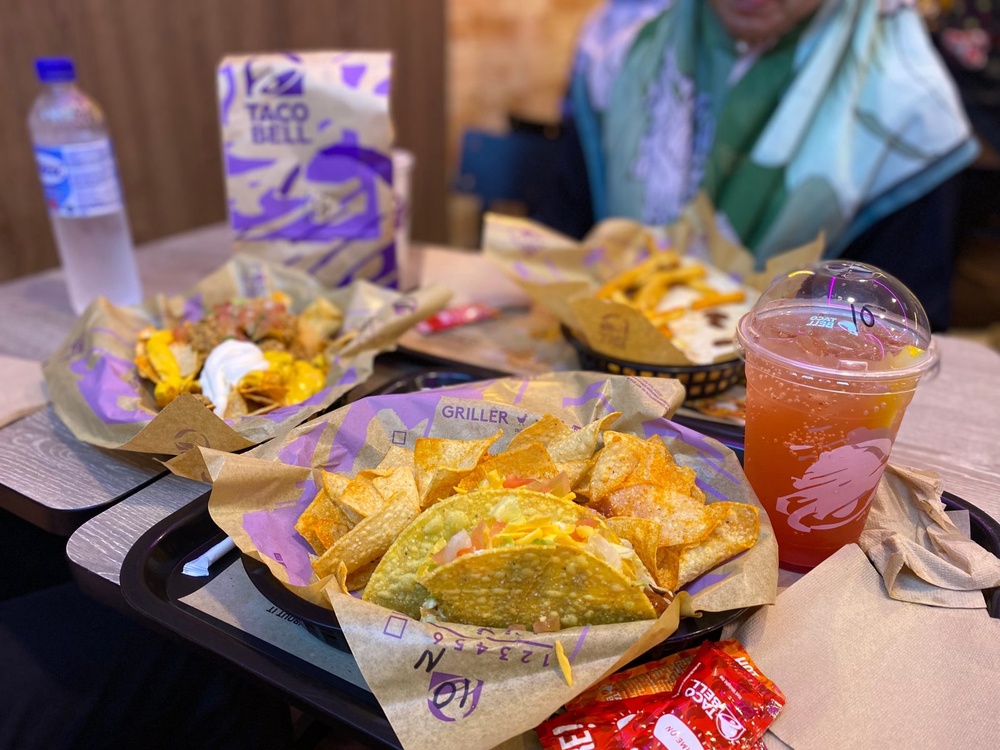
Taco Bell’s customization system lets customers build an order around their preferences, but each additional ingredient costs extra. Premium proteins such as steak and chicken generally cost more to purchase and prepare than basic ingredients such as onions or beans. Guacamole also involves a more perishable ingredient, while sauces and cheese require separate portions and inventory.
There is also a pricing distinction between an ingredient included in a standard recipe and one added beyond that portion. The original menu price covers a specific combination of ingredients. When customers request extra servings or substitutions, the restaurant can charge for the additional product. Taco Bell notes that customization prices and availability vary by participating location, so customers should check the total in their own restaurant’s ordering system rather than relying on a national estimate.
What to Check Before Customizing Your Taco Bell Order
Taco Bell customization can be useful when a customer wants a particular ingredient or needs a more substantial meal. However, extra steak, guacamole, cheese, and sauces can turn an inexpensive menu item into a much larger purchase. The more additions customers select, the less useful the original advertised price becomes as a guide to what they will actually spend.
Before submitting an order, look at the cost of each upgrade and the updated total. If several additions are needed to make the item satisfying, compare that customized price with another Taco Bell entrée or a value-menu combination. The best deal may not be the item with the lowest starting price, but the one that already includes the ingredients you want.
The post The Taco Bell Customization That Could Make a Cheap Order More Expensive appeared first on Grocery Coupon Guide.