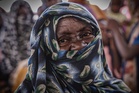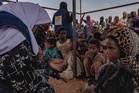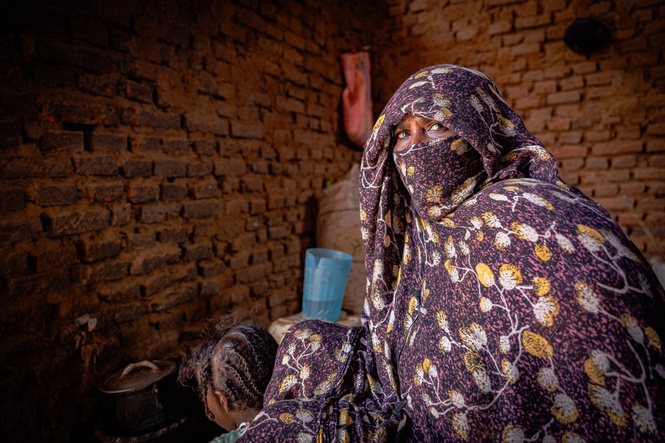
The people of Sudan need witnesses to their suffering. That is why we believe it to be so important that Bel Trew, our chief international correspondent, is reporting from the heart of the conflict, recounting the testimony of a grandmother whose son and extended family were dragged out, lined up and shot by paramilitaries.
The civil war there is complicated. It is essentially a power-struggle between two military leaders, but it has escalated into ethnic sectarianism between Arab and non-Arab populations.
This is the same kind of violence between ethnic groups that created the humanitarian catastrophe in Darfur 20 years ago, in which 200,000 people were killed and 2 million displaced. The world paid attention then, and vowed that it would not be allowed to happen again.
But it is happening again. The conflict erupted in Khartoum, the capital, three years ago and has now spread to many parts of the country. Both Abdel Fattah al-Burhan, the leader of the Sudanese army and nominal leader of Sudan, and Mohamed Hamdan Dagalo, known as Hemedti, the leader of the paramilitary Rapid Support Forces (RSF), seem determined to prevail over each other. Both sides have committed war crimes.
The suffering in the country is the greatest crisis of displacement and hunger in the world right now, and too much of the world is looking away.
We will not do that. That is why our reporter has filed her dispatch from among the “100,000 displaced people who have limped into El Obeid in south-central Sudan after long marches along roads lined with corpses”. That is why we have sought to report, analyse and explain the conflict.
It is why we urge world leaders to step up humanitarian relief efforts. As we report from El Obeid, the conditions in the makeshift camps of displaced people are terrible and little aid is getting through.
“Twenty million people are acutely food insecure. Some 14 million people have been displaced, and there are still pockets of famine,” Carl Skau, the then acting head of the World Food Programme, tells The Independent. “And we’re struggling to meet these needs. We’re doing our best. There is access to many parts, but the funding is not there.”
Important as temporary aid is, however, what really matters is bringing pressure to bear on the leaders of the rival armies. Human Rights Watch and other non-governmental organisations say there is mounting evidence that the RSF is bankrolled by the United Arab Emirates, which the UAE denies, while Saudi Arabia supports the Sudanese army, which the RSF claims is also backed by Egypt and Iran.
If there were more international attention paid to the crisis in Sudan, more pressure would be applied to regional powers to intervene constructively. The UAE government, in particular, is sensitive about its reputation and should be urged to come clean about its role.
Donald Trump said a year ago, “We’re going to start working on Sudan.” The American president who boasted about the number of wars he had ended added another to his to-do list. Instead, he started a new war against Iran, destabilising the world economy and his own party’s prospects in this month’s mid-term elections.
It must fall to the leaders of other nations to do their part to bring an end to this terrible conflict.
Read MoreUkraine isn’t beaten – but Trump must not hand victory to Putin
Andy Burnham must convince us he can make Britain Green again