
For young people, facing today’s job market without a college degree isn’t for the faint of heart.
Pay is 39 percent less per week for workers without a degree than workers with one, according to federal data. And unemployment is 26 percent higher for those without a college diploma.
However, for those willing to work hard, get creative and be flexible, there are great opportunities out there. Some high paying entry-level jobs offer salaries that are almost twice the median national salary of $63,360.
When looking for an entry-level position that pays well, remember that salary is only part of the equation, global career consultant Hassan Akram told The Independent in an email.
“The best entry-level job is one that pays well while rapidly increasing the value of the person doing it,” he said. “Look for exposure to difficult problems, exceptional colleagues, strong feedback and increasing responsibility. That’s what creates upward mobility.”
Take to the skies
Commercial pilots don’t need a degree to get a job in the field but have to complete flight school, according to Epic Flight Academy, the largest FAA-certified flight school in the country.
Once certified, commercial pilots can fly charter flights, crop dusters or firefighting planes; do aerial tours and pull signs, according to the Bureau of Labor Statistics.
Median pay is $123,020 per year, according to federal data.

In general, it takes flight school students 12-14 months and 250 flight hours to earn their commercial pilot license, according to Epic.
Degrees are expensive, though. Epic Flight Academy costs more than $96,000 to go from zero flight experience to a commercial pilot’s license and at ATP Flight School, the world’s largest, commercial certification costs more than $123,000.
Renting aircraft to log flight time and train is one of the most expensive parts of licensing.
Students can reduce the cost by working at a flight school, as employees typically get discounts on flight training fees, according to Alaska-based FLY8MA flight school.
Members of the military with a private pilot license and who meet other criteria can use their Montgomery or post-9/11 GI Bill to pay for flight training, according to the Department of Veterans Affairs.
Going up
Rather than qualifying for a position through a college degree, future elevator constructors – which includes elevator and escalator installers and repairers – enroll in apprenticeship programs.
Once an apprenticeship is complete, the median wage for this job is $109,910, according to the Bureau of Labor Statistics.
An apprenticeship requires 2,000 hours of full-time work and classroom training of up to 200 hours, according to the National Elevator Industry Educational Program from the International Union of Elevator Constructors.
In general, apprenticeships in this field last anywhere from two to five years, the program notes.

Elevator constructor apprentices usually make around 50 percent less than fully trained workers do, the Bureau of Labor Statistics notes.
“They earn pay increases as they progress in their apprenticeship,” the bureau said.
Black gold
The oil industry – at petroleum refineries and processing plants – offers a range of entry-level positions. Responsibilities include overseeing and maintaining systems that pump petroleum; testing or gauging oil in storage tanks; and overseeing the flow of oil into pipelines, according to the Department of Labor.
Median pay for petroleum pump system operators, refinery operators and gaugers is $103,160.
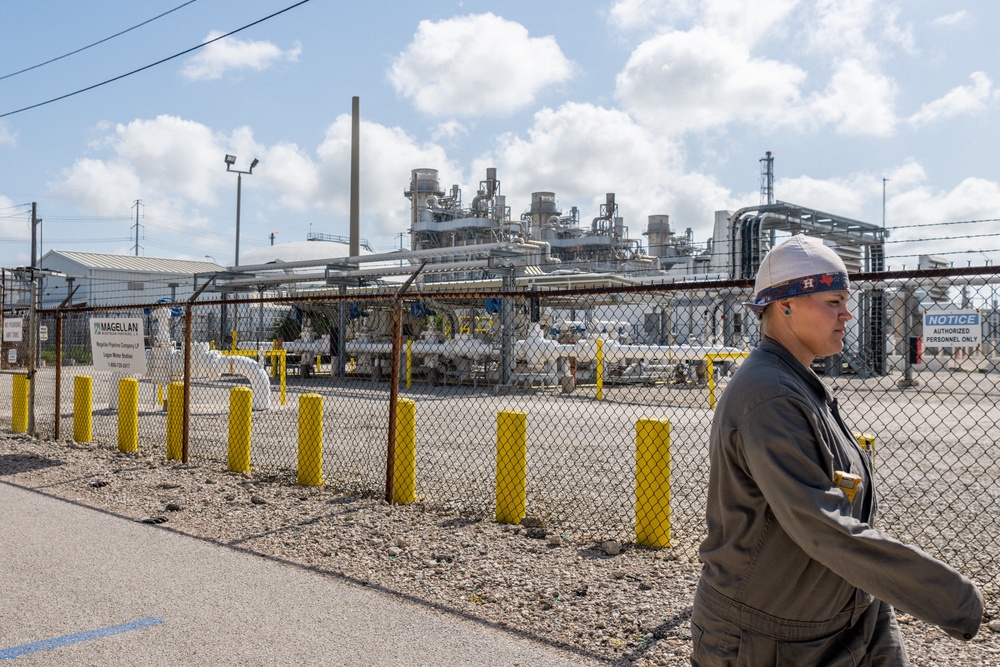
Training takes place on the job and can last anywhere from one to three years, according to the bureau.
Workers who move up to supervisory positions earn a median salary of $124,260, or around 25 percent more than entry-level workers.
Line up
Power-line installers and repairers usually have a high school diploma and have to complete an apprenticeship of up to three years, according to the Bureau of Labor Statistics.
They are responsible for the installation and upkeep of power grids across the country. The job includes installing electrical lines, repairing them, testing power lines and other components like transformers, and climbing power poles and transmission towers to perform maintenance.
Electrical power-line installers and repairers earn a median salary of $95,320 a year. Jobs in the federal government pay around $16,000 more than the national median, according to the labor bureau.
Employees in this field can further their training by completing certifications in a wide range of on-the-job skills, including cable splicing and network cabling, the bureau notes.
Read MoreEtsy is using AI to get inside shoppers’ heads – and boost sales
16 American trucking companies file for bankruptcy as diesel costs soar
Americans’ view of the economy drops to its lowest point in over a decade
Shoppers will use holiday discounts to buy essentials this year
US bans $1 billion of Canadian imports. Here’s what you won’t see on shelves anymore
Something Americans are willing to spend more on — even in this economy