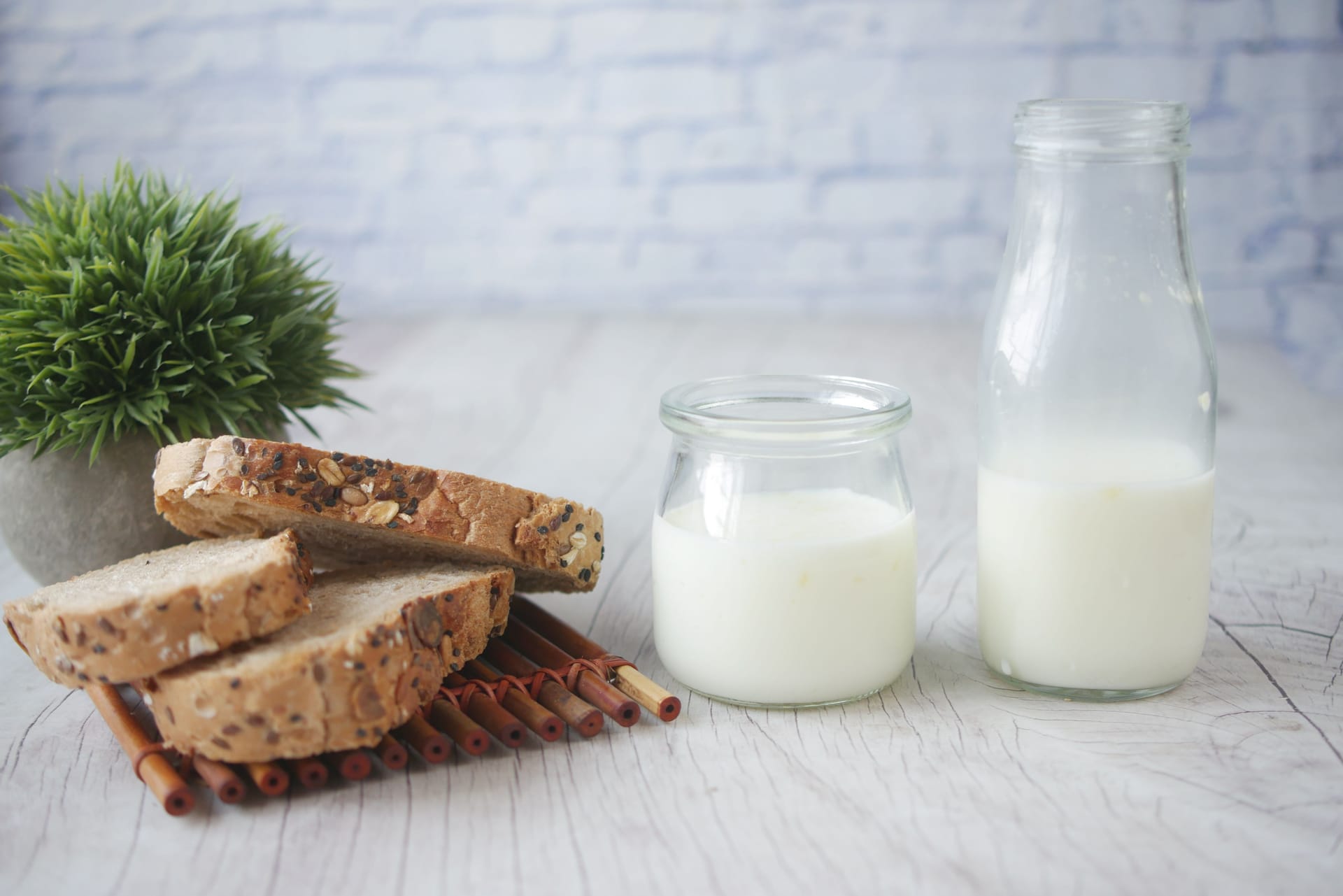
Milk sits in almost every Malaysian fridge. It goes into morning coffee, children's cereal, and is a key ingredient in many local Malaysian delicacies, from teh tarik to curries. It is one of the most familiar items on a shopping list – so familiar, in fact, that few people ever stop to ask a simple question: is the milk you are purchasing truly fresh?
For most shoppers, the answer is assumed rather than known. A quick glance at the expiry date, and the carton goes into the basket without much thought. But freshness is not only about that date. Behind that single word lies a surprising amount of variation, and not all milk that claims to be fresh is made the same way.
The Fresh Milk Assumption
Walk down any supermarket dairy aisle and the choices can be overwhelming. Cartons of different brands, sizes, and price points line the shelves, many carrying some version of the word "fresh" on their packaging. It is easy to assume they are all essentially the same product with different labels.
In reality, freshness is determined by several factors long before milk ever reaches the shelf. Which country the milk comes from, how quickly it travels from farm to factory, what processing methods are used, and what (if anything) is added back into the product all play a role in determining the quality of what ends up in the carton.
This is rarely explained to consumers. Most packaging highlights taste, nutrition claims, or price, but says little about sourcing or processing. As a result, the word "fresh" has become more of a marketing term than a guarantee.
Fresh Milk vs. Reconstituted Milk
One distinction that often gets overlooked is the difference between fresh milk and reconstituted milk.
Fresh milk typically refers to milk with just one ingredient – straight from the cow – that undergoes minimal processing and is sold within a relatively short window of time. Reconstituted milk, on the other hand, is made by mixing milk powder with water and other ingredients.
Both products may sit side by side in the same chiller, sometimes with similar packaging and pricing. But the journey each one took – and the nutritional and quality implications of that journey – can be quite different. For a product so deeply embedded in daily Malaysian life, this is a distinction worth knowing.
Why Sourcing and Processing Matter
The quality of milk does not begin at the factory. It begins on the farm, with the health of the cows, the conditions they are raised in, and how quickly the milk is collected, heated, and cooled after milking. From there, processing methods determine how much of the milk's natural composition is preserved.
Heavier processing, longer supply chains, and extended shelf life often come at a trade-off. The longer milk takes to travel from farm to shelf, and the more it is altered along the way, the further it may drift from what most people picture when they imagine "fresh" milk straight from the source.
None of this means every product on the shelf is inferior. It simply means that freshness is not a single, fixed standard; it exists on a spectrum, shaped by decisions made long before a consumer ever reads the label.
What You Should Start Looking Out For
Milk will likely remain a household constant in Malaysia for generations to come. But as awareness around food sourcing and quality continues to grow across other categories – from rice to eggs to produce – it may be time for the same scrutiny to be applied to something as everyday as a carton of milk.
Every consumer deserves to know what they are buying. The more consumers know about what goes into their milk, the better equipped they are to choose wisely. It starts with one small but meaningful habit: turning the carton over and reading what is actually in it.