
One low-price grocery store has plans to launch ready-to-eat meals to capitalize on shoppers' growing appetite for convenience.
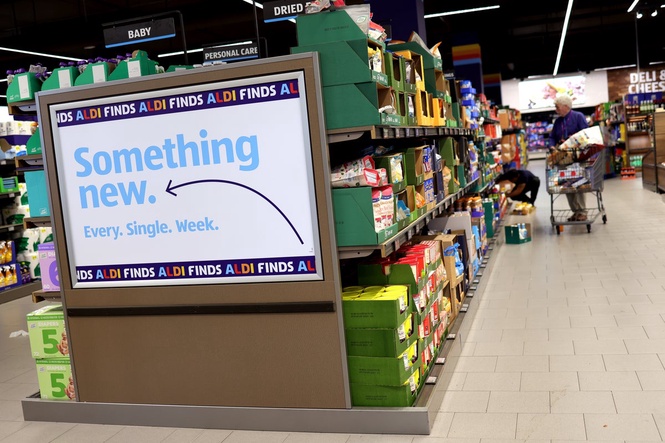
Aldi announced Tuesday that it will debut pre-made meals for the first time in its U.S. stores next month.
Its five, single-serve options will be less than $8, the company said, while its two family-size offerings will cost less than $15. Meals include butter chicken and rice, chicken fettuccine alfredo and macaroni and cheese with chicken and bacon.
"Our shoppers are looking for meals that fit into busy lives without sacrificing quality or stretching their budgets," said Joan Kavanaugh, Aldi U.S.’s vice president of national buying.
Germany-based Aldi, which first opened stores in the U.S. in 1976 and now has more than 2,000 locations across 39 states, claims the meals will be “restaurant-quality.”
Grocery store shoppers are being driven by convenience and healthiness, according to a July analysis from the International Food Information Council. It’s the first time ever that convenience ranked ahead of healthiness, the council said.
Aldi and other grocery stores have launched or improved their ready-to-eat offerings to meet consumer motivations.
Kroger launched a lineup of more than 20 store-label, pre-prepared meals in March, with several options costing $10 or less. Whole Foods has long offered ready-to-eat food through its hot bar and fresh-made food stations.
This past October, Whole Foods debuted a $35 family meal deal that includes one entree and two sides and feeds four people.
Private and store-label foods typically are priced lower than name brands, a benefit that’s becoming more attractive to consumers struggling with the cost of living.
“Consumers are increasingly seeking out private label products and viewing them as credible alternatives to national brands on quality, innovation, and product experience,” a June analysis of the grocery industry by consulting firm McKinsey found.
The analysis also noted that consumers are turning to grocery-store prepared meals as a substitute for restaurant meals.
“Roughly one-quarter of all consumers report purchasing grocery-prepared foods as a substitute for ordering from restaurants, most often replacing quick-service and fast-casual occasions,” McKinsey wrote.
Read More