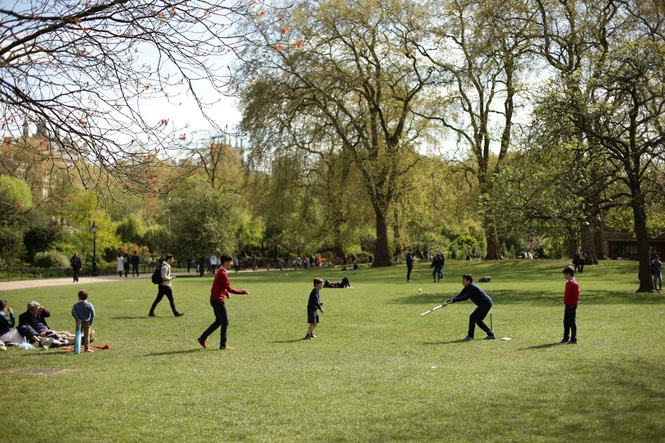
Regular weekly trips to the local park could support better mental health in children as they grow, new research has suggested.
In research called the Children of the 90s Study, experts from the University of Exeter examined data on 4,219 children from the ages of four to 11.
Those experts emphasised that communities require "good quality parks that are safe, accessible and welcoming to families from all backgrounds".
Social-emotional progress was tracked using questionnaires, completed by the children's parents, across five distinct stages of their childhoods.
The study revealed that youngsters visiting parks at least once a week showed enhanced social-emotional development compared to those who went less often.
This finding was attributed to "physical activity, cognitive benefits, social interaction, parent- child interaction and bonding, and play opportunities", the team determined.
Mark Ferguson, of the University of Exeter, said: “Our research suggests encouraging children to visit parks and playgrounds at least once a week could be a practical way to support their emotional wellbeing, social skills and mental health.
“But for this to work fairly, communities need good-quality parks that are safe, accessible and welcoming to families from all backgrounds.
“Parks give children space to be physically active, which is known to support mental and physical health, as well as helping adventurous and imaginative play to build confidence and independence. We believe parks could be more than places to play, but an important resource for children’s healthy development.”
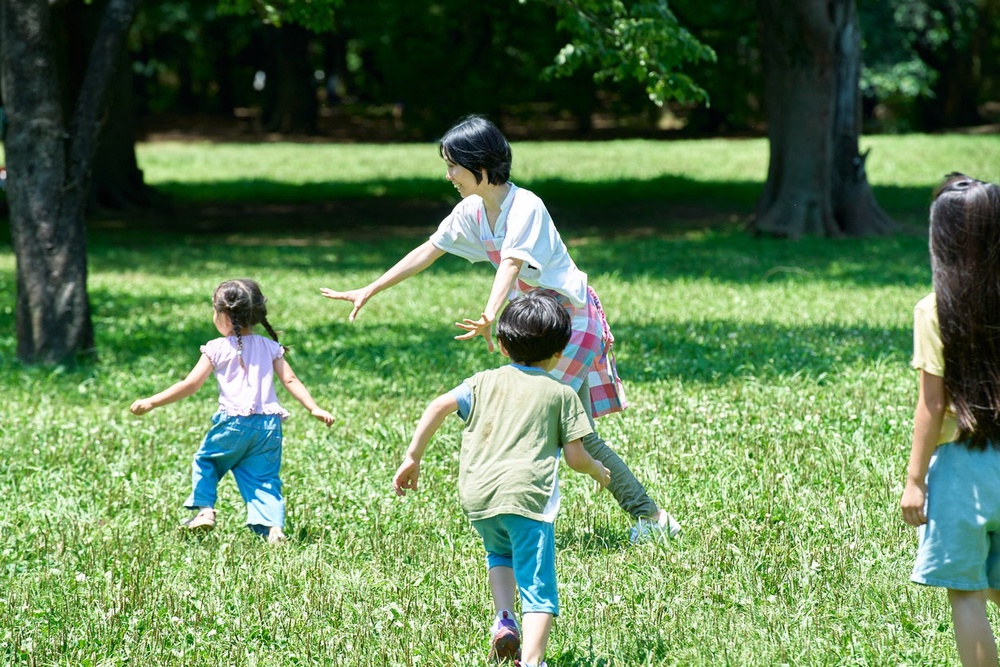
Reacting to the findings, which are published in Epidemiology and Community Health, Paul Noblet, interim head of external affairs and research at the charity YoungMinds, said: “We know how important community spaces such as parks and playgrounds can be in supporting mental health, and addressing the increasing isolation and loneliness young people today feel.
“Many spaces where young people can connect and build relationships have disappeared from communities across the country. This is a trend that we need to urgently reverse.
“Free, safe and accessible spaces are vital in our communities can help young people make friends, build confidence and develop a sense of belonging, all of which supports mental health.”
Read MoreInside the weird world of Russell Brand’s ‘truthers’ standing by their messiah’
How Brand’s marriage to Katy Perry went from ‘tornado’ courtship to text break-up
Hosting friends? These 7 easy recipes look like you’ve made far more effort