

In a landmark event amidst ongoing geopolitical tensions, Iranian President Ebrahim Raisi and key officials, including Foreign Minister Hossein Amir-Abdollahian, tragically perished in a helicopter crash in Iran's East Azerbaijan Province. The unfortunate incident was confirmed by Iranian state media, which reported that the helicopter wreckage was discovered by Iran's Red Crescent Society (IRCS) on Monday morning, with no survivors found at the scene.
Ebrahim Raisi's life and career were deeply intertwined with the Islamic Republic's history and development. Born in 1960 in Mashhad, Raisi was raised in a clerical family and embarked on his religious education at a young age. By 15, he was studying at the Qom seminary, learning under prominent scholars, including the current Iranian Supreme Leader, Sayyed Ali Khamenei. Raisi, like Khamenei, wore a black turban, indicating his status as a Sayyed, a descendant of the Prophet Mohammad.
Raisi's political and clerical journey began during the tumultuous period leading up to the 1979 Islamic Revolution, which saw the overthrow of the Western-backed Shah and the establishment of the Islamic Republic under Sayyed Ruhollah Khomeini. Raisi’s involvement in the revolutionary activities set the stage for his future roles in the Iranian judiciary and government.
He furthered his education at Shahid Motahari University in Tehran, earning a PhD in Islamic jurisprudence and law. His legal career began in the prosecutor’s office in Masjed Soleyman and progressed rapidly, leading to his appointment as Tehran's deputy prosecutor by 1985. Raisi's judicial ascent continued as he held various significant positions, including head of the General Inspection Organization and deputy chief justice.
In 2019, Raisi became the first Iranian president to be sanctioned by the United States for alleged human rights violations, accusations that Iranian authorities dismissed as baseless. Despite these challenges, Raisi’s influence within Iran's judiciary remained strong. He served as attorney general and was later appointed by Khamenei as the custodian of Astan-e Quds Razavi, managing the shrine of Imam Reza and its associated institutions.
Raisi's political ambitions led him to run for the presidency in 2017, where he emerged as the main contender against then-President Hassan Rouhani. Although he lost, he garnered nearly 16 million votes. His persistence paid off in 2021 when he won the presidential election by a landslide.
During his presidency, Raisi navigated significant diplomatic and domestic challenges. His administration engaged in indirect negotiations with global powers to revive the 2015 nuclear deal, aiming to lift the sanctions imposed by the Trump administration. Raisi also played a pivotal role in restoring diplomatic relations between Iran and Saudi Arabia, a move brokered with Chinese mediation.
Domestically, Raisi’s tenure was marked by resilience in the face of Western-backed unrest following the death of 22-year-old Mahsa Amini. He accused the United States and European countries of exploiting the incident to destabilize Iran. Raisi's international presence was also notable, especially when he held up a picture of martyr Qassem Soleimani at the United Nations General Assembly, emphasizing Iran's role in combating ISIS.
Under Raisi, Iran made significant strides in its military capabilities, achieving self-sufficiency in drone technology and enhancing its missile and naval strengths. His administration sought to bolster international trade, particularly with Asian, African, and Latin American countries, and secured Iran's membership in organizations like the Shanghai Cooperation Organization (SCO) and BRICS, challenging Western economic hegemony.
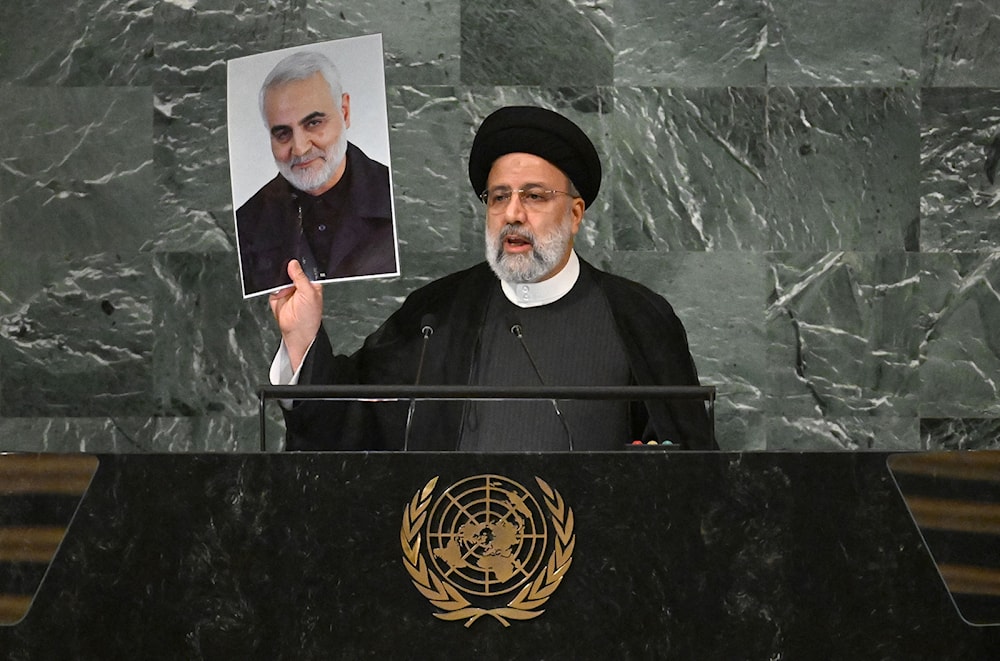
Raisi's death marks a profound loss for Iran, the Axis of Resistance, and global advocates of the Palestinian cause. His legacy is one of steadfast commitment to Iran's sovereignty, resistance against Western pressures, and the pursuit of regional solidarity.
Losses That Iran Will Face Due to Death of Ebrahim Raisi
The tragic death of Iranian President Ebrahim Raisi in a helicopter crash is poised to have profound and far-reaching impacts on Iran, affecting not just the political landscape, but also the economy, international relations, and social stability. While it is challenging to quantify the exact cost of such a loss, several areas can be identified where the repercussions will be most felt.
Political Instability and Leadership Vacuum
- Succession Uncertainty: Raisi was considered a potential successor to Supreme Leader Ayatollah Ali Khamenei. His sudden death creates a significant vacuum in the country's leadership structure, potentially leading to power struggles and political instability.
- Governance Disruption: Raisi's administration had been navigating complex challenges, including economic sanctions, international negotiations, and domestic unrest. His absence could disrupt ongoing initiatives and policies, causing delays and inefficiencies in governance.
Economic Repercussions
- Market Reaction: The immediate aftermath of Raisi's death might see volatility in Iran's financial markets. Uncertainty can lead to decreased investor confidence, affecting the value of the national currency and stock market stability.
- Sanctions and Trade: Raisi was actively involved in negotiating terms related to sanctions and international trade agreements. His death could stall these negotiations, exacerbating economic difficulties and prolonging sanctions' impact on the Iranian economy.
- Foreign Investment: Political instability often deters foreign investment. Investors may adopt a wait-and-see approach, leading to reduced foreign direct investment (FDI) and hindering economic growth.
International Relations
- Diplomatic Efforts: Raisi's administration had made strides in restoring diplomatic ties with countries like Saudi Arabia and engaging with international bodies like BRICS and the Shanghai Cooperation Organization (SCO). His death could slow down or reverse these diplomatic efforts.
- JCPOA Negotiations: Raisi was a key figure in the efforts to revive the Joint Comprehensive Plan of Action (JCPOA). His death could complicate these negotiations, impacting Iran's nuclear policy and relations with Western countries.
Social and Cultural Impact
- Public Sentiment: The death of a national leader often leads to a period of mourning and potential unrest. Public sentiment can swing, leading to demonstrations or increased polarization within the society.
- National Identity and Morale: Raisi was a symbol of resilience and defiance against Western pressures. His death might affect national morale, especially among his supporters and those aligned with his vision for Iran.
Military and Strategic Concerns
- Defense Projects: Raisi's administration prioritized military advancements, including drone technology and missile development. His absence could lead to shifts in military strategy and potential vulnerabilities during the transition period.
- Regional Influence: Raisi was a staunch supporter of regional resistance movements and the Palestinian cause. His death might alter Iran's approach to regional conflicts and its role within the Axis of Resistance.
Long-Term Consequences
- Policy Continuity: The transition to a new leader might bring changes in domestic and foreign policies. This could impact long-term projects and initiatives that were central to Raisi's agenda.
- Leadership Dynamics: The death of a key figure like Raisi could influence the dynamics within the Iranian leadership, potentially affecting the balance of power among different factions and the future direction of the country's political landscape.
FlyingBird is a content creator under the Newswav Creator programme, where you get to express yourself, be a citizen journalist, and at the same time monetize your content & reach millions of users on Newswav. Log in to creator.newswav.com and become a Newswav Creator now!
The User Content (as defined on Newswav Terms of Use) above including the views expressed and media (pictures, videos, citations etc) were submitted & posted by the author. Newswav is solely an aggregation platform that hosts the User Content. If you have any questions about the content, copyright or other issues of the work, please contact Newswav.