Parenting has never been easy and 44 percent of people raising kids say they want to do it differently from their parents.
But just how does it stack up when it comes to financial cost? According to new analysis of U.S. financial and federal data, raising children is nearly five times more expensive for millennials and Gen Z parents than it was for boomers bringing up kids in the 80s.
It costs an estimated $320,661 to raise a child from birth to 18 years old today, according to new analysis from lender Money Lion. In 1980, it cost $65,250, when adjusted for inflation.
“Ask a boomer what groceries or babysitting cost when their children were small, and the answer may sound almost fictional,” the analysis said.
The main culprit of the big-cost chasm in the last 40 years is inflation - over time, the cost of goods and services goes up. What took a family $10 to buy 46 years ago now takes $43.31, according to the Bureau of Labor Statistics.
But other factors have contributed to the nearly $260,000 difference - namely, housing and food, said Dr. Deon Strickland, a professor of finance at Wake Forest University and a former economist for the Securities and Exchange Commission.
“Life is more expensive for most Americans, because when you look at what most Americans spend the biggest share of their money on, it’s housing and food, and both of those are more expensive,” Strickland told The Independent in an email.
Home comforts
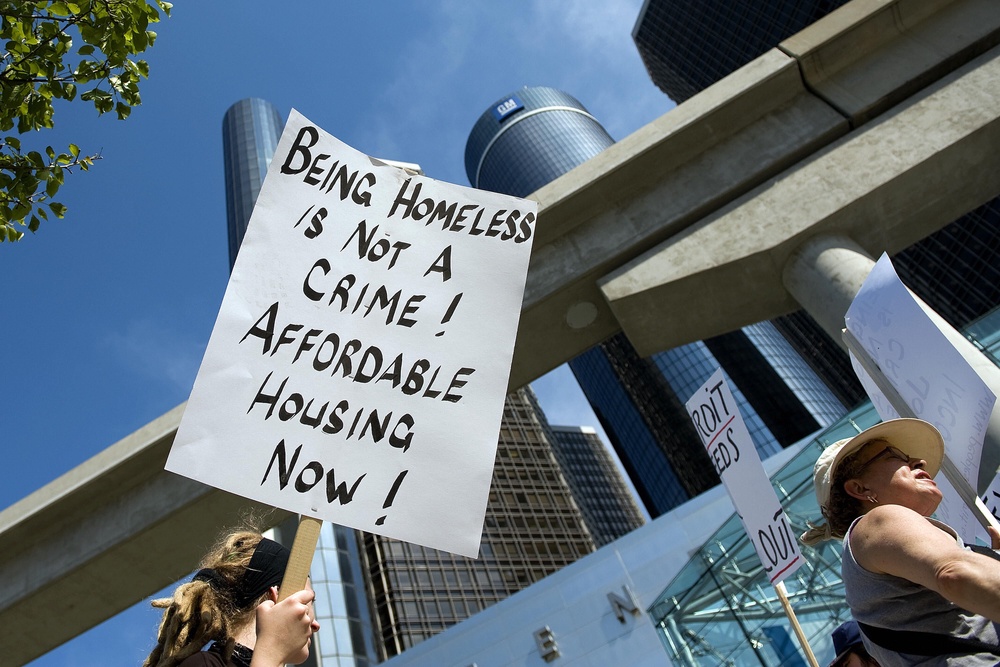
Since 1980, the average price of a house rose 635 percent - from $73,600 in 1980 to $541,300 in 2025, according to Federal Reserve data. Rents soared 479 percent over that same period, the data shows.
Yet no discussion of housing prices is complete without also looking at wage growth. If wages rise at the same rate, the impact of higher house prices isn’t as great. But that’s not the case in the U.S. economy over the past 46 years.
The real median wage - accounting for inflation’s impact on how much a dollar can buy - has risen 41.3 percent since 1980, according to the Fed. So home prices have outpaced real wage growth by nearly 1,600 percent.
The ratio of household income to home prices has doubled over the past 46 years. The average house price in 1980 was around $11,000 more than the real median household income: $73,600 to $61,910.
In 2025, that ratio ballooned to $541,300 to $87,460.
Food fight
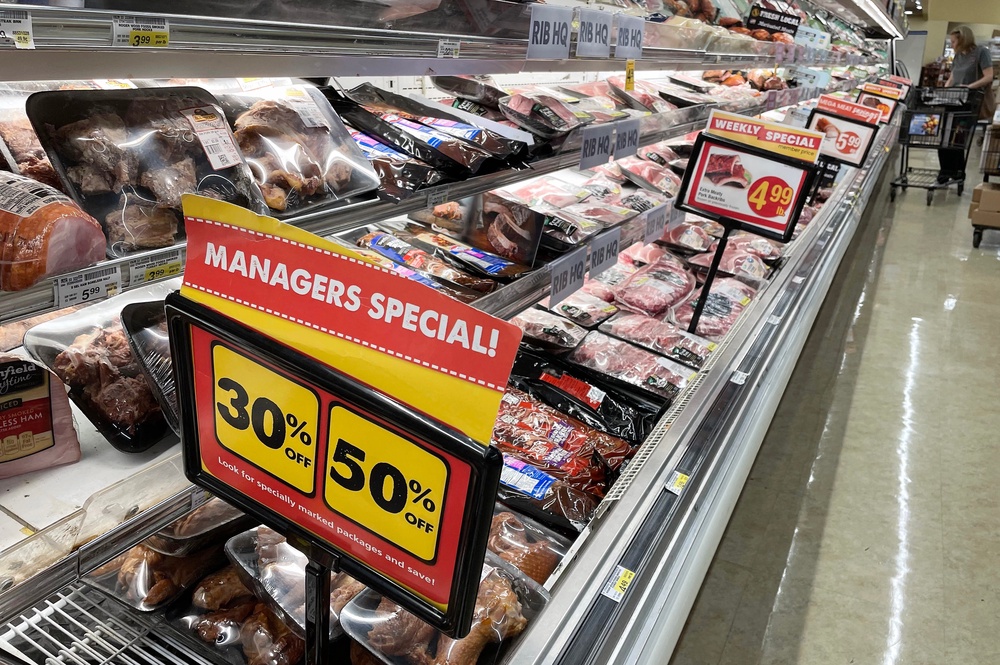
A recent survey found half of Americans are skipping meals because groceries have become so expensive.
And they are not wrong: yearly groceries for a household rose from $1,970 in 1984 to $6,224 in 2024, federal data shows.
Over 40 years, the average cost of groceries increased by 215 percent - more than four times the rate of real wages during that period.
Staples like ground beef, bread, a whole chicken and a dozen large eggs are significantly more expensive today. The cost of each item has at least doubled over the past 46 years:
- Ground beef (per lb.): +426.34%
- Whole fresh chicken (per lb.): +194.29%
- Eggs (dozen of large Grade A): +157.95%
- White bread (per lb.): +266.00%.
Over the past six years, in particular, grocery prices have soared for several reasons. The pandemic snarled supply chains and raised labor and transportation costs. Droughts, hurricanes and diseases like bird flu drove down production.
In the past two years, the Trump administration’s tariffs raised prices on foreign products like coffee, tomatoes and chocolate. Russia’s ongoing war in Ukraine has disrupted oil and fertilizer supplies. The Iran war has pushed up gas prices to record levels in 2026.
Generation game
Ask a boomer their thoughts on the younger workforce, and the response may be less than flattering.
Actress and co-host of daytime talk show The View, Whoopi Goldberg, 70, expressed her generation’s frustrations over millennials’ choice to hold off on kids for financial reasons during one episode.
“Every generation comes and wants to do better than their parents did - every generation,” she said. “But I’m sorry, if you only want to work four hours, it’s going to be harder for you to get a house. I’m sorry. We busted our behinds - we had to bust our behinds.”
But Strickland sees it differently: Younger adults aren’t lazy - they’re facing a tsunami of high costs that boomers didn’t have to.
“I think one of their biggest sources of anxiety is that the quintessential American notion of maturation - you graduate high school, go to college or get a job, find a spouse, buy a home, have kids - looks increasingly out of phase with what’s possible if you’re working a service-sector job and you want to live in a cool urban center,” Strickland said. “
So I don’t think today’s generation is lazy or privileged. I think the world has changed around them.”
With additional reporting from The Associated Press
Read MoreHere’s what Trump has done to Americans’ finances — the good, the bad and the ugly
Here’s the median US bank balance by age, household and education. What’s yours?
Walmart just might’ve won the budget holiday meal battle
Trump's Federal Reserve holds interest rates steady despite inflation concerns
An alarming number of Americans are spending less than $500 this holiday season
$2 trillion wiped from tech stocks amid artificial intelligence spending fears