Three babies killed by Lucy Letby might have been saved if hospital bosses and doctors had taken action that could have seen police called in sooner, an inquiry in the aftermath of the nurse’s crimes has found.
The damning report into the Countess of Chester Hospital found the nurse’s final two murders could have been stopped if concerns raised linking deaths with her presence on the ward had been treated as a safeguarding matter.
Before that, a third baby was also murdered after a clinician did not flag an insulin test result for another infant Letby attempted to murder by insulin poisoning which would have, Lady Justice Thirwall said, resulted in police being called in.
The report exposed a series of devastating failings, with bosses showing a “complete failure to protect babies” and were even described as acting “high-handed, contrary to all safeguarding principles and foolhardy”.
Health secretary Yvette Cooper said it marked “a turning point for the NHS” and said she had asked officials to look at installing “cot cams” in neonatal units.
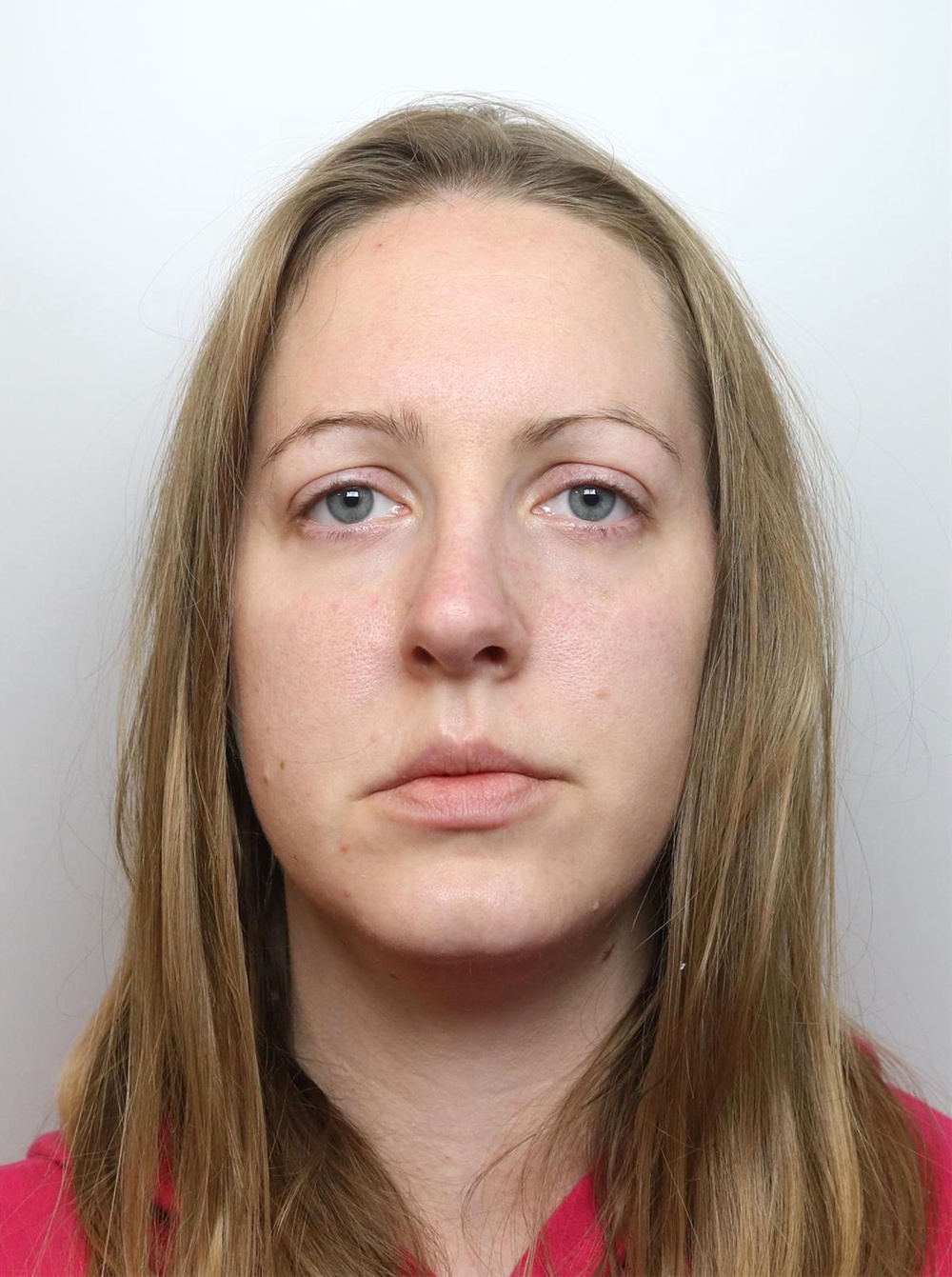
Letby, who maintains her innocence, is serving 15 whole-life terms for the murders of seven babies and attempted murders of seven others by various means between June 2015 and June 2016.
The 822-page report found:
- A “complete failure” at all levels to invoke safeguarding procedures
- Former chief executive told Letby “last thing we want is sensational press”
- A “tribalism” culture emerged between nurses and doctors
- Victims’ parents “kept in the darks for years” over what was happening
Lady Justice Thirlwall said: “There was a complete failure to protect babies on the neonatal unit at the Countess of Chester Hospital. This was because no-one seems to have understood that safeguarding action is required when a member of staff is suspected of causing deliberate harm and does not require colleagues to be sure of guilt.
“My report describes dysfunctional management and governance, a gulf between hospital leadership and clinicians, and failure to understand the fundamentals of safeguarding.”
She added: “There was complete failure at all levels to invoke safeguarding procedures at any point. Once there was suspicion that Letby may be causing harm deliberately safeguarding steps should have been taken.
“She should have been removed from the ward as a neutral act and matters could have been investigated without risk to babies. No one seems to have thought that safeguarding action is required when a member of staff is suspected of causing deliberate harm. Suspicion is enough.”
Ms Cooper said “the safeguarding and wellbeing of babies must never again be treated as a side issue”. She added: “The suffering endured by these babies and their families is impossible to comprehend.
“On behalf of the government and the health service, I am profoundly sorry for the failures set out so clearly in this report. For the harm, distress and unthinkable loss for their families. For the failures by the NHS to keep babies safe.”
In her report, Lady Justice Thirlwall highlighted the case of the deliberate poisoning by insulin of a baby boy, Child F, in August 2015, with the resulting insulin test dismissed by doctor who thought it “impossible” someone deliberately administered insulin.
If it had been raised with bosses, it should have led immediately to a call to the police, Lady Justice Thirlwall said.
Suspicions became clearer after the October 2015 death of Letby’s fifth murder victim, Child I, and the nurse should have been removed from the neonatal unit at this point, the report found.
An important meeting in May 2016 took place in which concerns were raised to senior managers about the high mortality rate and the commonality of the presence of a specific nurse. Safeguarding was not considered at the meeting, the inquiry found, and Letby remained on the ward.
Lady Justice Thirlwall said: “This should not have happened, and babies O and P [who were murdered later in June 2016] should not have died.”
Her investigation did not examine Letby’s convictions or motives but instead focused on the conduct of those working at the Countess of Chester, including the board, managers, doctors and nurses from when Letby started her employment in 2012.
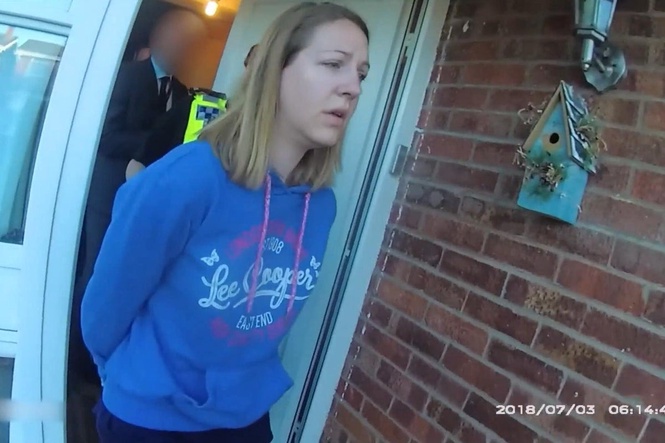
Letby, 36, was moved from the neonatal unit to administrative duties in July 2016 after consultants expressed concerns about her to the hospital’s executive team.
Hospital bosses opted to carry out a number of reviews into the increased mortality in 2015 and 2016, and did not invite Cheshire Constabulary to investigate until May 2017, as Letby remained on site until her arrest more than a year later.
The Thirlwall report found that senior nurses never accepted that the consultants’ concerns were, or might be, justified, and that there was a prolonged delay by senior managers in calling the police.
There was also a “nurses against doctors” culture that developed amid the growing concerns over the number of deaths on the neo-natal unit, with one senior nurses describing it as “frank tribalism”.
The inquiry ruled that successive internal and external reviews commissioned by hospital leadership after concerns were raised about Letby did not address whether deliberate harm was being caused or not.
And it heavily criticised some of the leadership team, including former chief executive Tony Chambers, who according to notes from a meeting with Letby and her parents months before her arrest, said “last thing we want is sensational press", before saying to her: "We don't want the story to be about you; that would be horrific."
Lady Justice Thirwall said fears of a story in the press was clearly a matter of concern to Mr Chambers, who she also said “intended” to obstruct a police investigation.
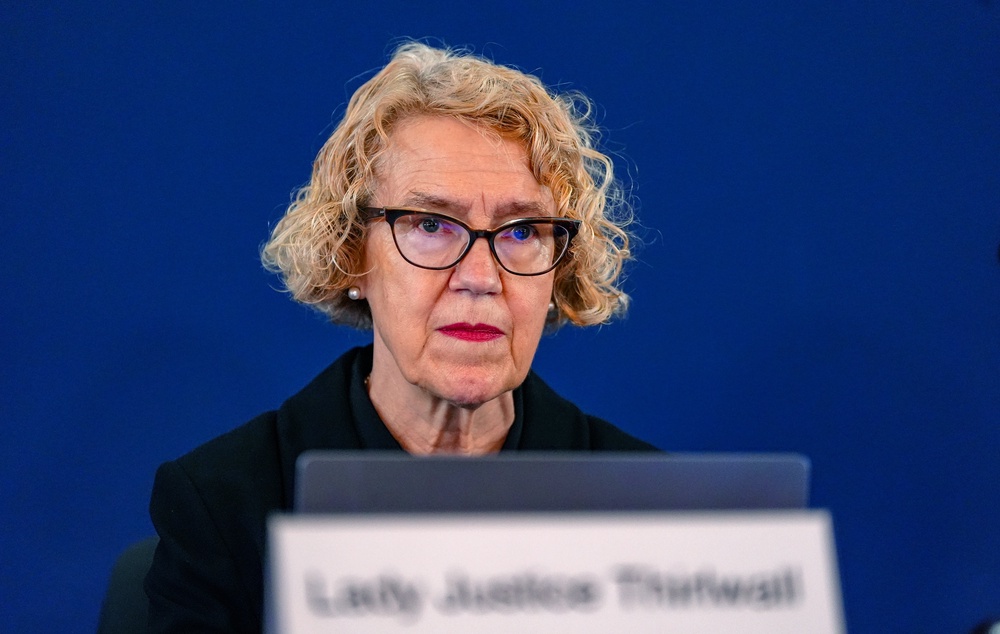
The chairwoman also ruled that parents of Lucy Letby’s victims were “kept in the dark” about suspicions by the hospital.
She said: “The anger some parents feel at the way they were treated by the Countess was palpable. They were kept in the dark for years about what was happening, about the fact that there were concerns that their babies may have been deliberately harmed
“They were not informed about reviews and only in 2018 learned that the collapses and deaths may have been the result of the actions of a nurse whom they had trusted. The lack of consideration shown to the parents at that time was reprehensible.”
A total of 14 recommendations have been made in the report, including the fitting of baby monitors in all cots and incubators in neonatal units, and CCTV cameras focused on insulin storage fridges.
Lady Justice Thirlwall said baby monitors would ensure parents could observe their babies “remotely at any time” – adding that NHS England should “set out a roadmap” for how it could be implemented by March 31 next year.
She also said digital devices should be used to “restrict access of insulin to authorised people”, as well as record access to insulin units.
The Criminal Cases Review Commission, which investigates potential miscarriages of justice, is considering evidence presented on Letby’s behalf by an international panel of medics who claim poor medical care and natural causes were the reasons for the babies collapsing.
Letby’s barrister Mark McDonald said: “Everything in this inquiry (Thirlwall) is tainted by the fact that they’ve worked on the wrong premise.”