Three teenagers with “links to a neo-Nazi network” have been detained in Poland on suspicion of preparing a terrorist attack.
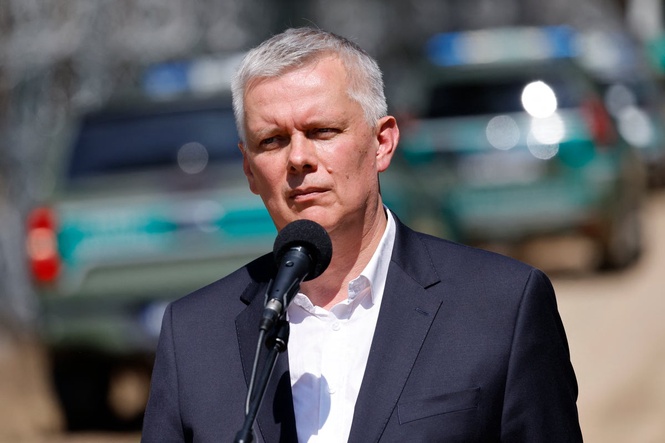
Tomasz Siemoniak, the minister overseeing Poland's special services, said on Monday that a 16-year-old and two 17-year-olds were arrested by the country’s Internal Security Agency (ABW).
During a search of premises used by one of the suspects, ABW officers seized chemical substances that could be used to manufacture explosives.
Investigators have attached particular significance to findings involving the two 17-year-olds, who authorities said had exchanged information via internet messaging applications on homemade explosives, improvised firearms and pyrotechnic materials intended for use in a terrorist attack.
Funkcjonariusze @ABW_GOV_PL zatrzymali 3 obywateli RP, 16-latka i dwóch 17-latków, związanych z międzynarodowym środowiskiem neonazistowskim.
▶️ Nastolatkowie nie tylko propagowali ideologię nazistowską i faszystowską, ale podejmowali już działania zmierzające do popełniania…
By court order, the two 17-year-olds were remanded in custody, while the 16-year-old was placed in a juvenile detention centre.
The investigation remains active and prosecutors are working to identify other people involved in the group's activities and to establish the full scope of crimes planned, the Regional Prosecutor’s Office in Gdańsk said in a statement.
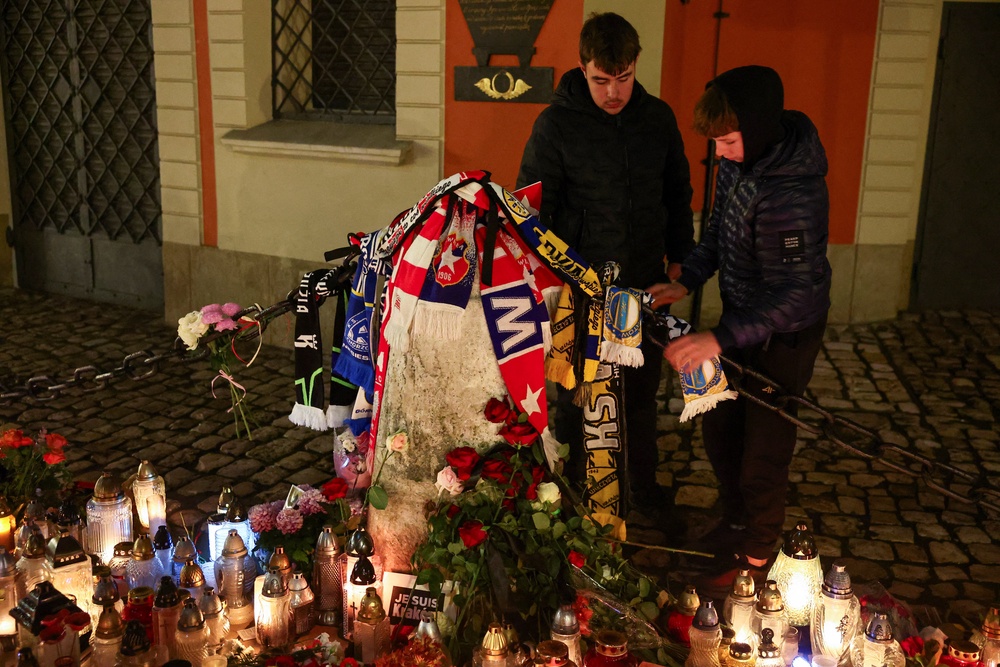
The arrests come days after gunman Michał Oksińsk killed six people and injured 15 in Krakow's main square on 7 November.
Police then discovered three bodies at the family home of the 24-year-old suspect in Ostrowiec Swietokrzyski, about 93 miles northeast of Krakow.
Officers said that the victims were believed to be his sister, mother and father.
Interior minister Marcin Kierwinski said Oksiński held “very radical views” and “was fascinated by far-right ideologies” – a claim the nationalist opposition rejected.
Prime Minister Donald Tusk called for restraint amid sharper-than-usual political divisions as thousands gathered on Wednesday for an annual “far right” march on Independence Day.
“We may hold different views, we may keep each other in check, and at times we may even be political opponents; yet, anyone who truly cares about Poland must understand that this space, defined by independence, freedom, and a secure Republic, is a common good,” Tusk said.
The tradition has long caused friction between right-wing parties and the now-ruling centrists, with critics arguing the march is a smokescreen to platform racism and antisemitism.
Participants say the gathering is merely an expression of national pride.
Read MoreEU accuses Russia of stalling Ukraine peace talks to target power plants as winter nears
California teacher called Muslim student a ‘terrorist,’ lawsuit claims
Scottish DJ named as victim of Krakow shooting that killed six
Thousands join ‘far-right’ march in Poland days after mass shooting
Here’s why France has banned firework mortars
Over 2,000 migrants reach Canary Islands after Spain declares migration emergency