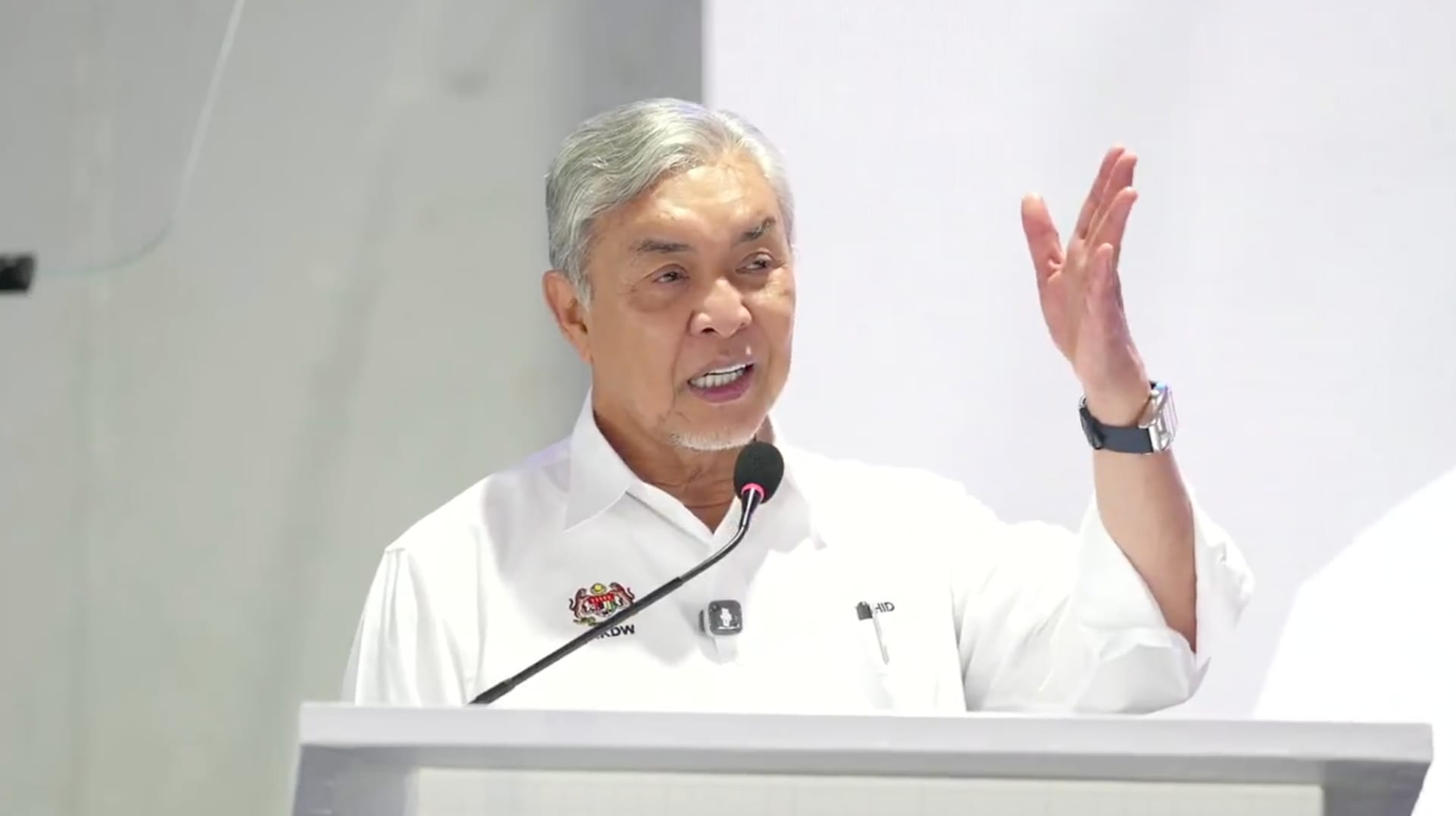
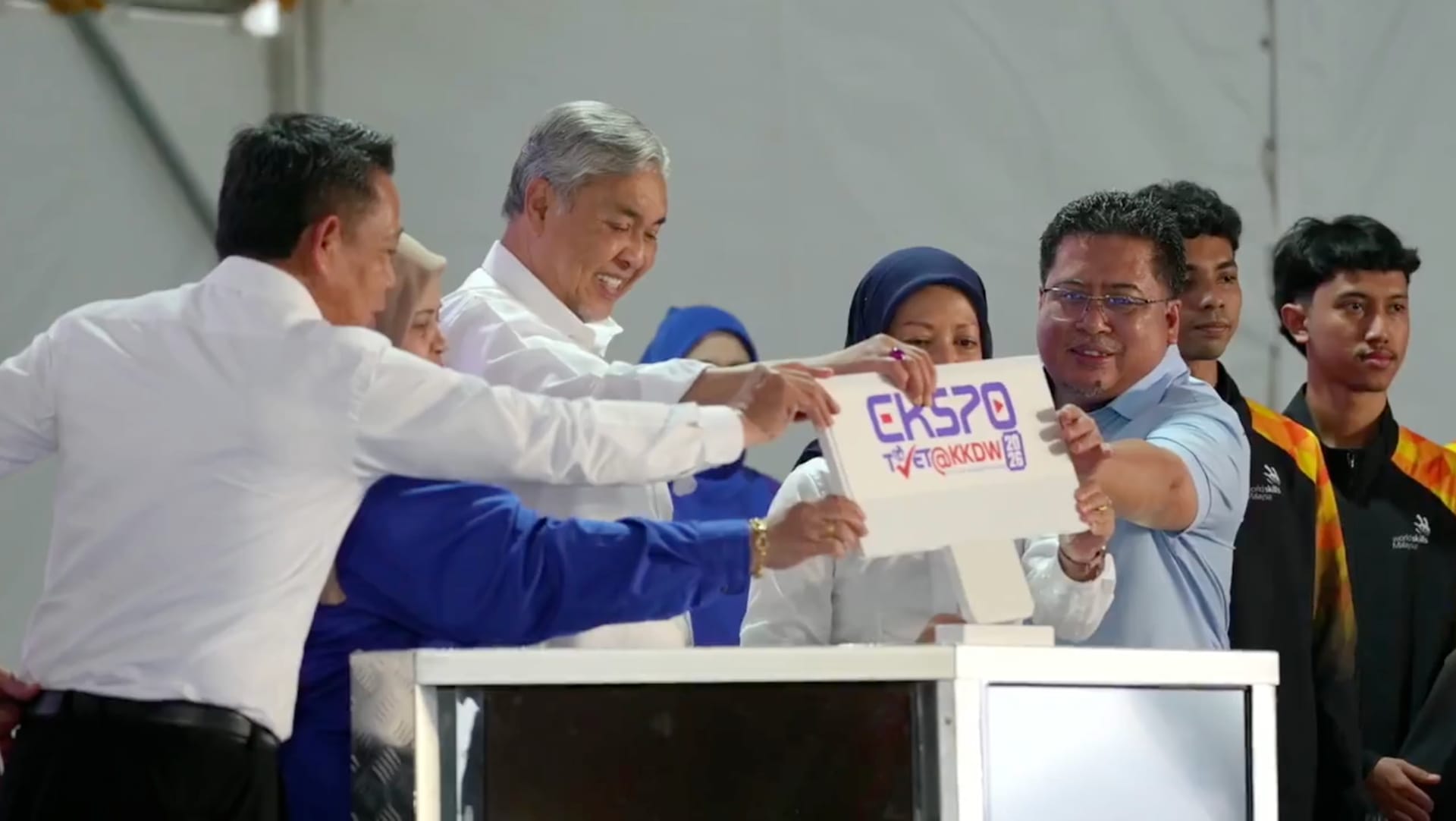
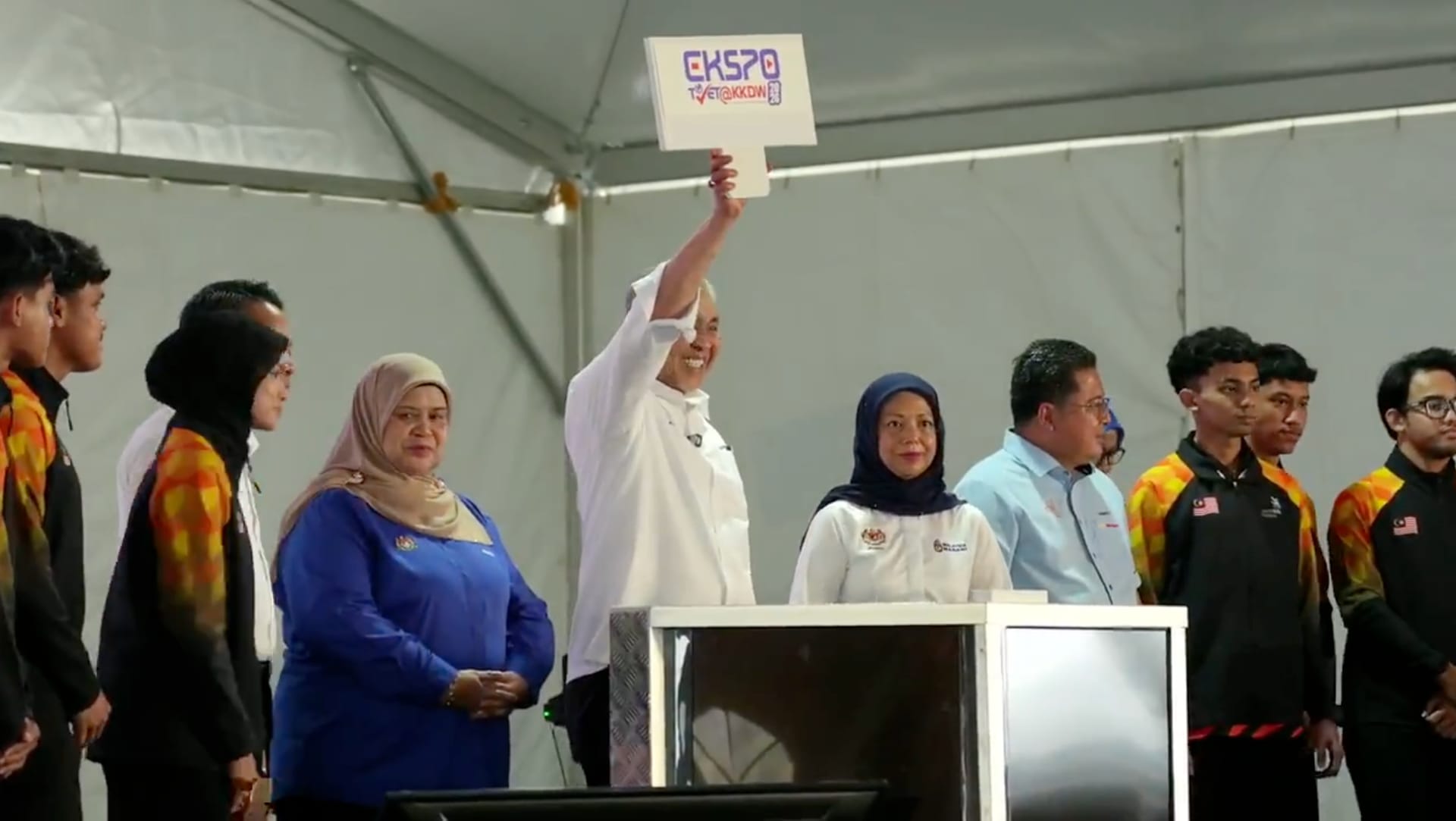
SUNGAI BESAR - Deputy Prime Minister and Minister of Rural and Regional Development Datuk Seri Dr Ahmad Zahid Hamidi has outlined three strategic initiatives under Technical and Vocational Education and Training (TVET) to expand economic opportunities for rural youth, focusing on employment, entrepreneurship and technology-driven innovation. He was speaking at the opening of the TVET Expo at Stadium Sungai Besar.
The three initiatives focus on improving graduate employability, encouraging technical entrepreneurship and introducing smart, environmentally sustainable technologies to rural businesses.
KKDW TVET Premium Career Agreement: Connecting Skills Training with Employment
The first initiative aims to align technical training programmes with actual industry requirements, creating a clearer pathway from skills development to employment.
Through early collaboration with industry partners, selected programmes will focus on establishing employment opportunities, salary packages and relevant competency requirements. Industry participation in curriculum development and skills assessment can also help ensure that graduates acquire capabilities suited to current market demands.
This approach seeks to improve the transition from training to employment while creating opportunities for competitive starting salaries and long-term career progression.
By strengthening cooperation between training institutions and employers, the initiative aims to make TVET a more direct route towards sustainable employment for rural youth.
TVET Jana Desa: Turning Technical Skills into Rural Business Opportunities
Beyond preparing young people for employment, TVET Jana Desa encourages graduates to use their technical expertise to establish businesses that serve the needs of their local communities.
Potential areas include agricultural machinery maintenance, water pump systems and refrigeration services, where technical expertise can address practical needs among rural households, farmers and businesses.
Access to business guidance, financing and market opportunities will be important in helping aspiring entrepreneurs transform their technical capabilities into commercially viable enterprises.
By encouraging graduates to build businesses within their own districts, the initiative could also stimulate local economic activity, create employment and improve access to essential technical services in rural communities.
TVET@KKDW Smart and Green Workshops: Bringing Technology Closer to Rural Businesses
The third initiative focuses on developing TVET workshops into collaborative spaces where trainees, instructors and industry partners can explore practical technology solutions.
Key areas include machine monitoring, artificial intelligence (AI)-based automation and energy efficiency, with the aim of helping businesses improve productivity and operational performance.
By applying technical expertise to real industry challenges, participating institutions can help rural entrepreneurs explore ways to optimize resources, reduce operating costs and improve production processes.
The initiative also provides opportunities for trainees to gain hands-on experience in emerging technologies, helping them prepare for an evolving job market while supporting the modernisation of rural industries.
The three initiatives represent a broader effort to position TVET as more than an educational pathway. By connecting skills training with employment, entrepreneurship and technological innovation, the programmes aim to create more practical opportunities for rural communities to participate in economic growth.
Implementation will require continued coordination between relevant agencies, training institutions and industry partners, alongside clear performance indicators to assess employment outcomes, business development and productivity improvements.
The initiatives also complement wider efforts to expand opportunities for rural youth and strengthen the technical capabilities of communities through targeted training and industry collaboration.
Ultimately, the success of these programmes will depend on their ability to translate technical knowledge into measurable improvements in livelihoods, business sustainability and rural economic resilience.