By Dr Sajad Hussein Kamarally
Last week, I wrote about Surat's (India) repair culture. Two people I encountered — a watch repairman and a young cobbler — shared one simple habit: both brought their lunch from home. That observation set me thinking.
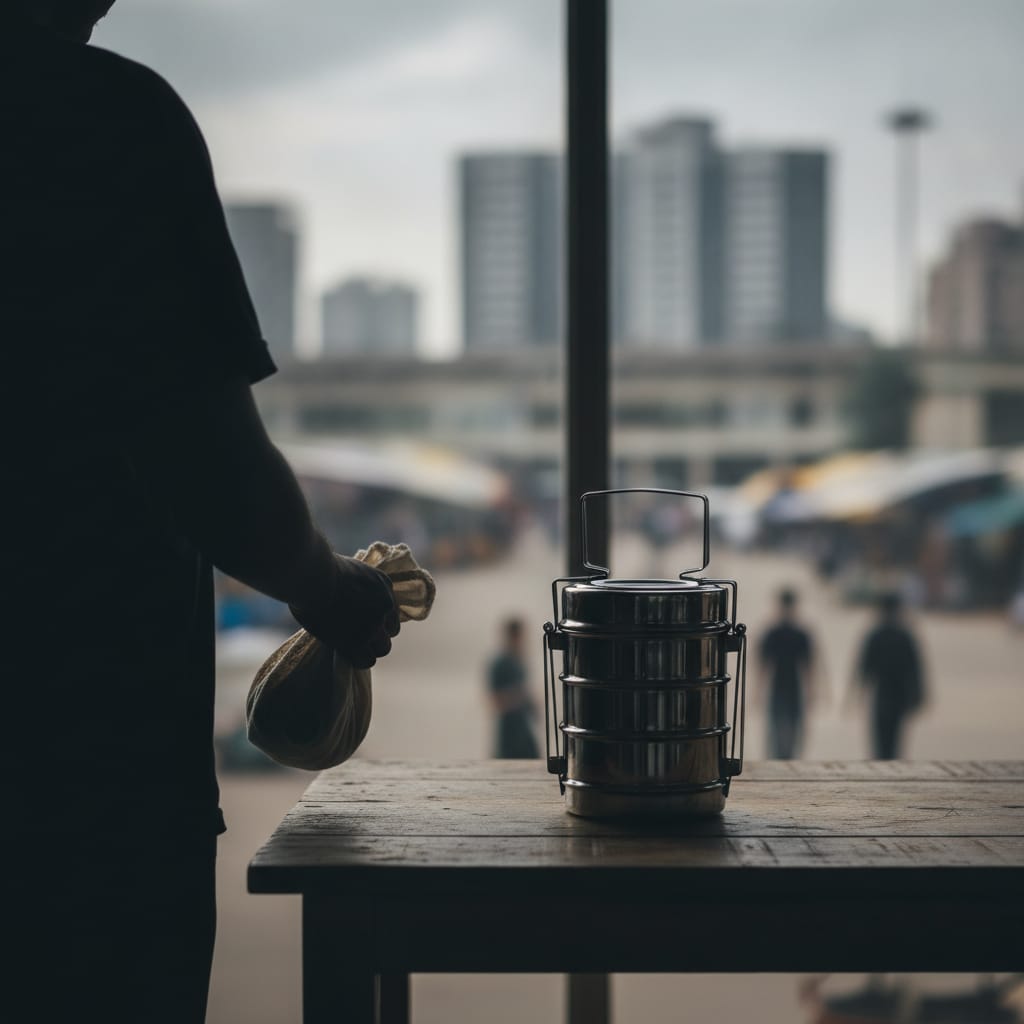
In Malaysia, many of us spend RM15 to RM20 on a meal every day, yet frequently complain about the rising cost of living. In India, however, the humble tiffin — a home-packed meal carried to work — remains part of everyday life, even among corporate executives.
But tiffin culture is about more than saving money. It offers Malaysia a lesson in self-reliance, healthy living and compassion.
From Personal Savings to Community Sharing
Malaysia is a food-loving nation. We enjoy our restaurants, cafés and mamak stalls. There is nothing wrong with eating out, but perhaps we have become too dependent on buying meals while overlooking the value of home cooking and sharing food.
Consider this: while food is wasted every day, homeless people, elderly residents living alone and struggling families in our cities still struggle to secure a decent meal. Could we turn this situation around?
Imagine neighbourhoods organising simple community kitchens through suraus, temples, churches, residents' associations or NGOs. Residents contribute according to their means, volunteers help prepare nutritious meals, and food is distributed to those who genuinely need it.
A community providing just 20 meals a day could make a meaningful difference. With proper food-safety standards, transparent accounting and committed volunteers, such an initiative could become a sustainable model, complementing existing charities and government welfare programmes.
We do not need an elaborate system to begin. One kitchen, 20 meals and a group of caring volunteers would be a good start.
The Deeper Lesson of the Tiffin
For me, tiffin culture carries two important messages.
First, bringing food from home helps families save money, eat more healthily and appreciate the value of a home-cooked meal. It can also bring barakat — blessings — into family life.
Second, sharing food reminds us that our responsibilities extend beyond our own households. A neighbour's hunger should matter to us.
My experience in Surat reminded me that food is not merely something to photograph for Instagram. It is nourishment, sustenance and, when shared, an expression of dignity, kindness and humanity.
Malaysia does not have to abandon its vibrant eating-out culture. We simply need to rediscover the balance between consumption and compassion.
Perhaps it is time to bring back the tiffin — not just as a way of saving money, but as a movement towards a healthier, more caring and more compassionate Malaysia.
Sometimes, a solution to a major social problem begins with something as simple as a home-cooked meal.
Dr Sajad H Kamarally (sajadhk05@gmail.com) is a content creator under the Newswav Creator programme, where you get to express yourself, be a citizen journalist, and at the same time monetize your content & reach millions of users on Newswav. Log in to creator.newswav.com and become a Newswav Creator now!
The User Content (as defined on Newswav Terms of Use) above including the views expressed and media (pictures, videos, citations etc) were submitted & posted by the author. Newswav is solely an aggregation platform that hosts the User Content. If you have any questions about the content, copyright or other issues of the work, please contact creator@newswav.com.