
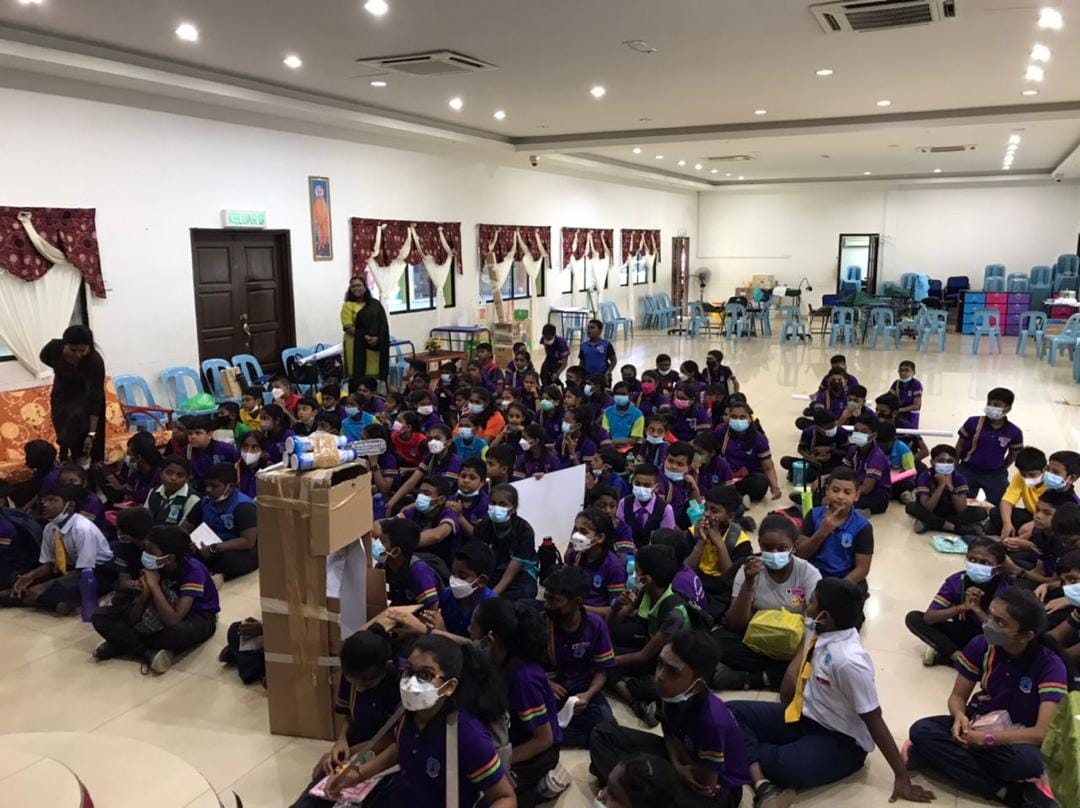
If leadership development only begins in teenage or university years, we’ve already missed a critical window. The foundation should start much earlier, when children are between 4 to 6 years old. At this stage, the brain is highly receptive, personalities are forming, and habits are built naturally. Introducing leadership concepts during these early years doesn’t mean teaching corporate strategy, it means shaping behavior, mindset, and confidence from the ground up.
At ages 4 to 6, children begin to understand communication, emotions, and social interaction. This is the perfect time to introduce simple leadership principles such as sharing, taking turns, expressing ideas, and making small decisions. These seemingly basic actions are, in fact, the building blocks of leadership. A child who learns to speak up respectfully, listen to others, and take initiative in small group settings is already developing essential leadership traits.
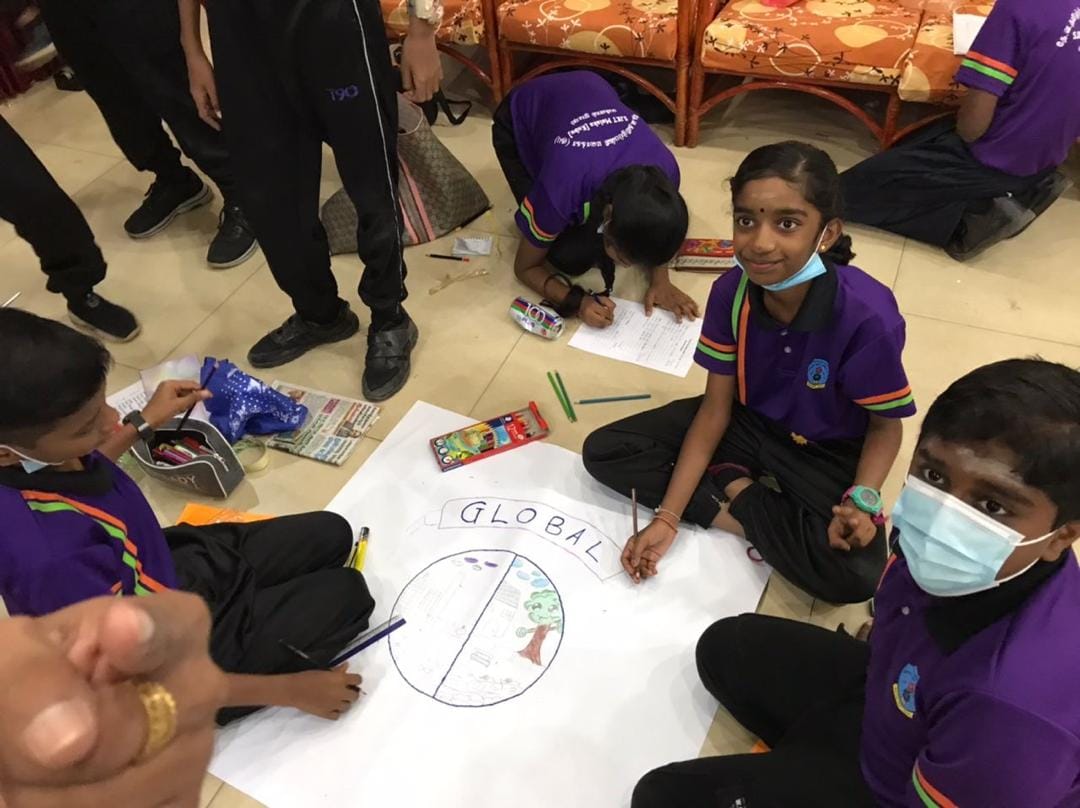
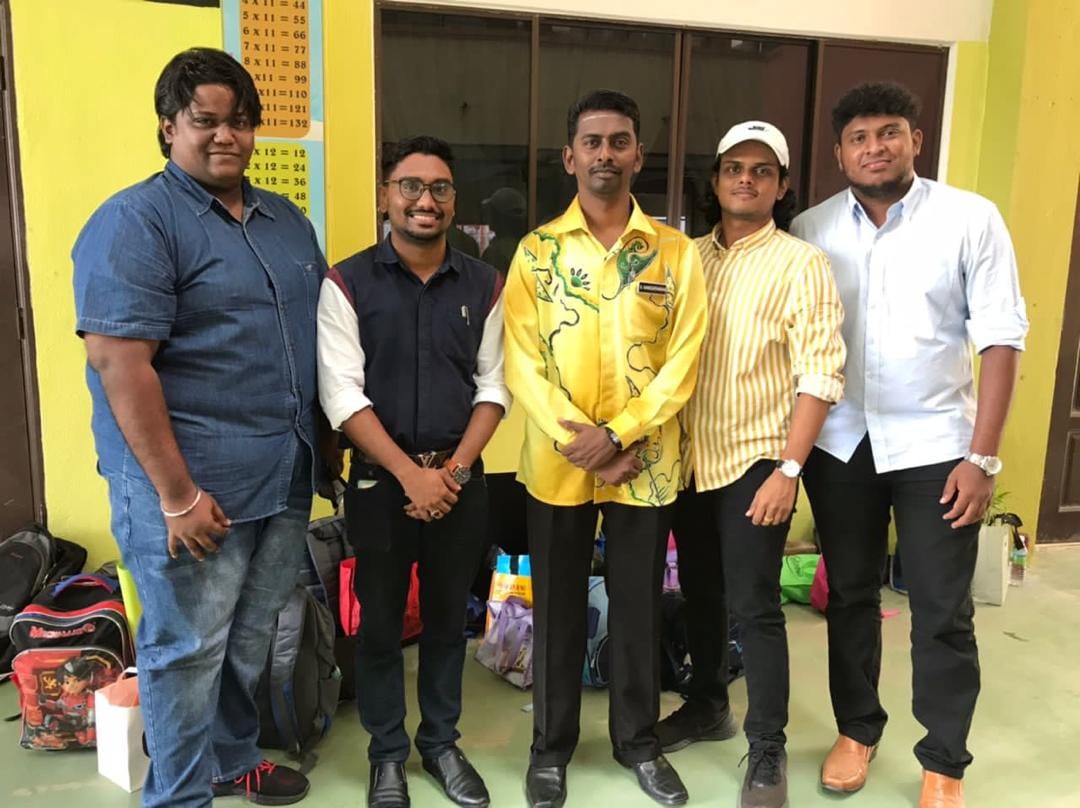
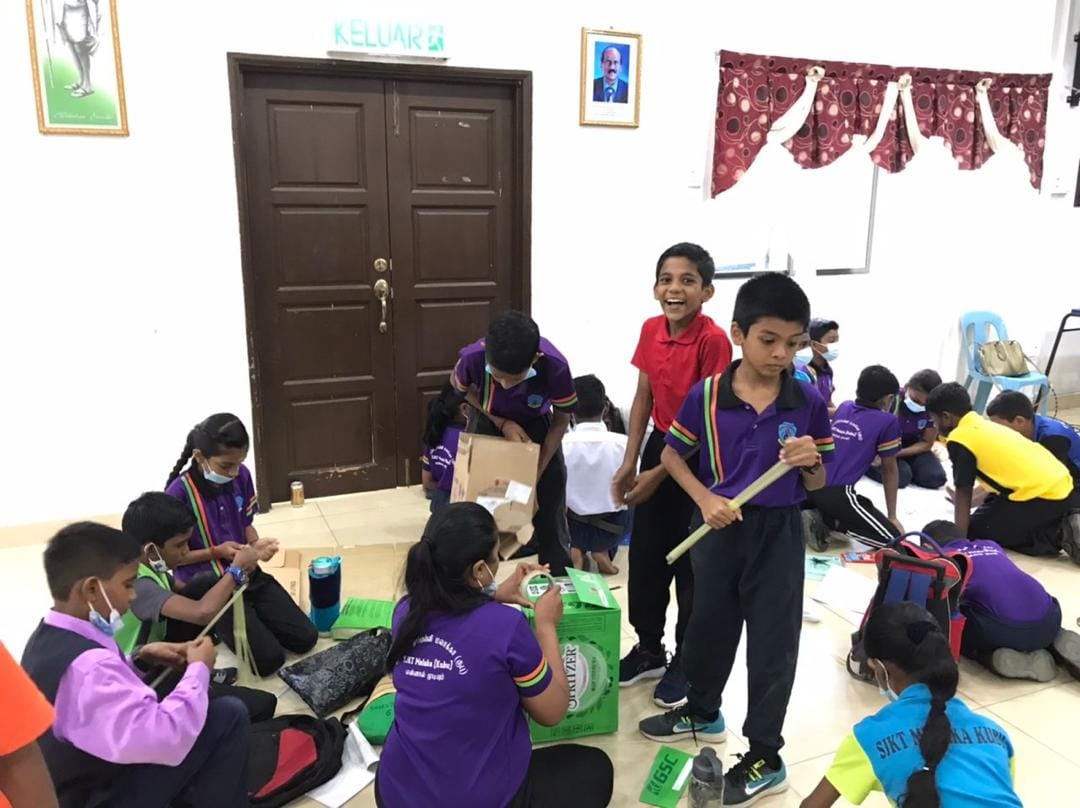
This approach was effectively demonstrated through a leadership program conducted at SJKT Kubu, Melaka by Laguvendran Sandran, where young students were guided to develop these essential traits in a supportive environment. The success of the program was further strengthened by the support of GPK 1, Mr. Ganggatharan Sri Raman, whose commitment to student development helped create a platform for nurturing future leaders from a very young age.
Confidence is one of the most important qualities that can be nurtured at this age. When children are encouraged to participate, whether by answering questions, leading a small activity, or expressing their thoughts, they begin to believe in their own voice. This early confidence reduces fear of failure and creates a strong sense of self-worth, which carries into later stages of life.
Equally important is emotional intelligence. Young children are naturally expressive, but they also need guidance in understanding emotions, their own and others’. Leadership teaching at this level helps them recognize feelings like frustration, happiness, and empathy. When a child learns to manage emotions and respond kindly to peers, they are developing the emotional control that strong leaders rely on.
Another key element is responsibility. Simple tasks such as organizing toys, helping classmates, or completing small group activities teach accountability. When children understand that their actions have consequences, they begin to develop discipline and ownership, traits that are essential in leadership roles later in life.
Learning through play is the most effective method at this stage. Role-playing, storytelling, group games, and interactive activities allow children to experience leadership without pressure. For example, assigning a “group leader” for a game or encouraging children to make choices during activities helps them practice decision-making in a safe and supportive environment.
Teachers and parents play a crucial role in this process. At ages 4 to 6, children learn more from observation than instruction. When adults model positive leadership behaviors, such as patience, respect, and clear communication, children naturally imitate these traits. This makes the environment just as important as the curriculum.
Starting leadership education early does not mean forcing maturity, it means guiding natural development in the right direction. By nurturing leadership qualities from ages 4 to 6, we create individuals who grow up with confidence, empathy, and the ability to think independently.
In the long run, these children do not just become good students, they become capable leaders who are prepared to face challenges, work with others, and make meaningful contributions to society.
Laguvendran Sandran (laguvendran96@gmail.com) is a content creator under the Newswav Creator programme, where you get to express yourself, be a citizen journalist, and at the same time monetize your content & reach millions of users on Newswav. Log in to creator.newswav.com and become a Newswav Creator now!
The User Content (as defined on Newswav Terms of Use) above including the views expressed and media (pictures, videos, citations etc) were submitted & posted by the author. Newswav is solely an aggregation platform that hosts the User Content. If you have any questions about the content, copyright or other issues of the work, please contact creator@newswav.com.

