
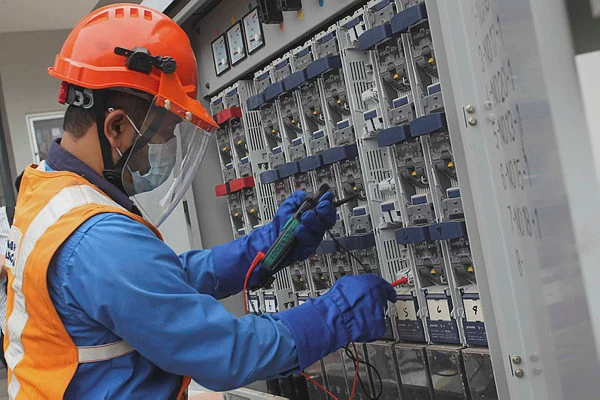
Tenaga Nasional’s RM43 billion grid modernisation programme aims to meet Malaysia’s rising data centre demand with faster connections
KUALA LUMPUR: Tenaga Nasional Bhd’s (TNB) RM43 billion grid modernisation programme is gearing up to meet Malaysia’s growing data centre demand, with future energy requirements already incorporated into broader national generation planning to ensure long-term system readiness.
Speaking at the Datacentre and Cloud Infrastructure Expo 2026, TNB chief grid officer Hasmarizal Hassan shared how the utility is preparing grid infrastructure to support the sector’s rapid expansion, including connection capacity, delivery timelines, and long-term system planning.
A key focus is TNB’s Green Lane Pathway, which has reduced grid connection timelines for data centres from 36 months to as little as 12 months, Hasmarizal was quoted as saying in TNB’s social media post.
As of March 2026, a total of 33 projects have been delivered under the framework, reflecting TNB’s recognition that connection speed is a key factor in strengthening Malaysia’s position as a regional data centre hub.
“To manage large-scale demand growth, TNB is also adopting a cluster-based grid strategy, concentrating transmission infrastructure investments across identified growth corridors,” he said
He said Johor remains one of the key active clusters under the strategy, with further nationwide expansion planned to support scalability while maintaining overall system reliability.
Hasmarizal also said the approach is aimed at ensuring the grid remains capable of supporting rising demand for digital infrastructure as Malaysia continues to attract data centres and other high-growth, high-value investments.
The MADANI government focuses on industries that create better jobs, facilitate technology transfer, drive innovation, and promote long-term economic growth.