_1652931074_9592.jpg)
Toyota Motor Corporation has officially launched the next-generation Toyota Sora, an all-new hydrogen-powered fuel cell (FC) route bus engineered to accelerate the decarbonization of public transit networks.
Developed in close collaboration with commercial vehicle specialist Isuzu Motors Limited, the new Sora represents a major step forward from the original model that first hit Japanese roads in 2018.
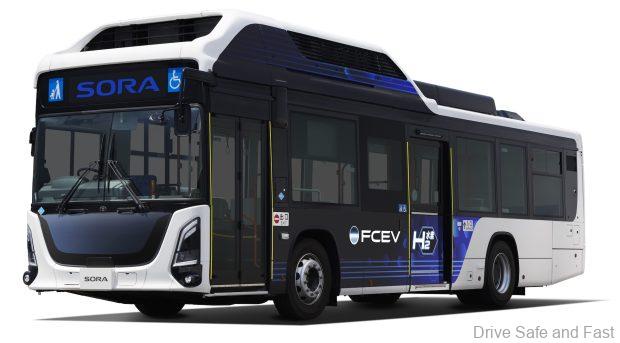
Rather than engineering an isolated platform from scratch, the new bus brings together two core industrial strengths: Isuzu’s purpose-built full-flat battery-electric (BEV) bus chassis and Toyota’s advanced commercial-grade fuel cell system. The result is a zero-emissions transit vehicle that delivers greater passenger accessibility, substantially longer route endurance, and dramatically faster turnaround times at the depot.
Next-Gen Fuel Cell Powertrain: More Range with Smaller Hydrogen Tanks
The centerpiece of the new Sora is a thoroughly re-engineered fuel cell system that achieves a delicate balance between energy density and thermal efficiency:
- Extended Operating Radius: By harmonizing the output of a high-durability fuel cell stack with an onboard high-capacity traction battery, the new Sora delivers a single-fill cruising range exceeding 300 km—an increase of roughly 100 km over the first-generation model.
- Smarter Packaging: Despite the sizable jump in real-world range, total onboard hydrogen storage capacity has actually been reduced by approximately 20%.
- Simplified Maintenance: The entire fuel cell apparatus and newly developed high-capacity commercial hydrogen tanks are mounted compactly on the roof. Moving these components overhead clears valuable interior real estate and allows municipal fleet mechanics to service powertrain modules without complex floor tear-downs.
Refueling turnaround remains one of hydrogen’s greatest operational advantages over heavy battery-electric buses on fixed schedules. The Sora can be fully replenished with hydrogen in roughly 10 minutes, ensuring high vehicle utilization during peak morning and evening shifts.
The vehicle is also engineered to comply with emerging high-speed hydrogen dispensing standards, which will cut fueling times down to around five minutes once compatible high-flow retail pumps are deployed.
Barrier-Free Interior: Full-Flat Floor and Versatile Layouts
Inside, the adoption of Isuzu’s dedicated electric chassis eliminates internal steps entirely, creating a seamless, barrier-free full-flat floor from front entrance to rear row.
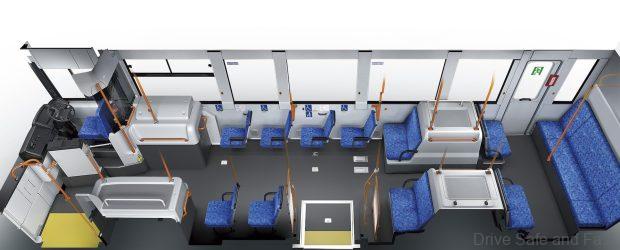
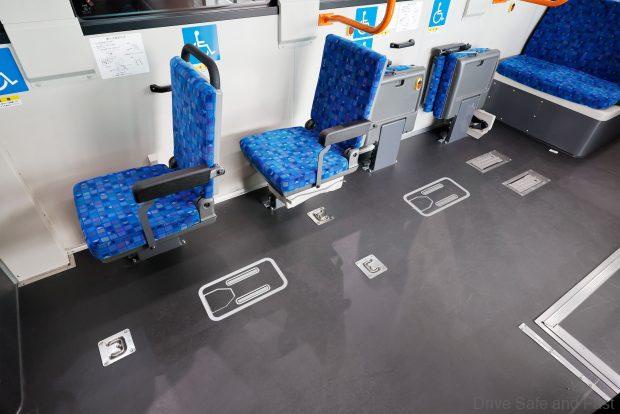
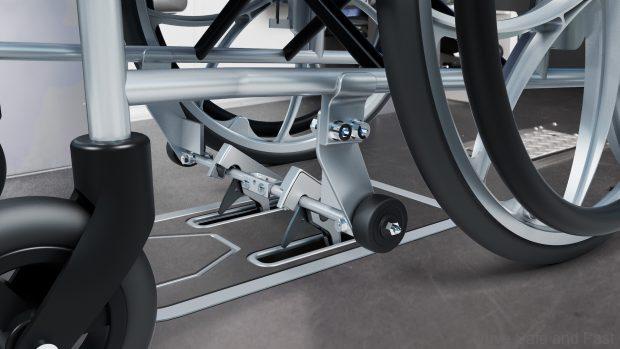
The step-less architecture allows elderly commuters, parents with strollers, and wheelchair passengers to navigate the aisle with minimal effort. To further streamline accessibility, Toyota is offering an optional one-touch wheelchair securement system that allows bus drivers to lock mobility equipment in place quickly and safely.
Catering to varying transit route demands across Japan and potential export hubs, the new Sora is available in four distinct layout variants—split into two tailored urban commuter configurations and two suburban long-distance commuter arrangements with higher seated passenger capacities.
Elevated Active Safety and Emergency Disaster Power
Operating dense city routes requires heightened preventive safety systems. The new Sora introduces an Emergency Driver Stop System (EDSS) integrated directly with an in-cabin Driver Status Monitor (DSM). If the optical camera detects signs of sudden medical distress or loss of consciousness, the vehicle initiates automated deceleration to a complete stop, engaging the electronic parking brake automatically to prevent rollback on steep inclines.
Pedestrian safety in congested intersections is addressed by an external front blind spot monitor that tracks cyclists and foot traffic crossing directly in front of the vehicle, issuing immediate audio-visual warnings to the driver.
Beyond scheduled passenger transport, the Sora doubles as a mobile high-output emergency generator during national crises. By hooking up an external power supply unit to its electrical distribution system, municipal authorities can tap the bus’s hydrogen reserves to deliver emergency electricity to disaster evacuation shelters, hospitals, or temporary response facilities during blackout events.
Through expanded industry collaborations like the public-private hydrogen backbone network initiative, Toyota continues to push hydrogen beyond passenger runabouts, using commercial workhorses like the Sora to establish viable, everyday zero-emissions infrastructure.
The post Toyota Launches All-New Sora Fuel Cell Route Bus: Co-Developed With Isuzu: Over 300 km Range, 10-Minute Refueling first appeared on DSF.my.