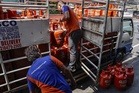
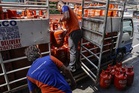
FOR millions of Filipino households, liquefied petroleum gas (LPG) remains a primary cooking fuel. Data from the Philippine Statistics Authority’s 2020 Census of Population and Housing showed that 47.9 percent of Philippine households used LPG as their cooking fuel, making it the most commonly used cooking fuel nationwide, ahead of wood, charcoal, electricity and kerosene. Ensuring that it is handled, stored, transported, distributed and sold properly is critical to protecting consumers, workers, businesses and communities.
In this landscape, Isla LPG Corp. launched Isla EDGE, its dedicated training arm focused on developing competent, safety-conscious and qualified LPG practitioners, on Aug. 19. The event followed the Department of Energy’s (DOE) recognition of Isla LPG Corp. as one of the country’s LPG Training Organizations.
Isla EDGE’s programs are designed to strengthen the competencies of retailers and dealers across the LPG value chain, from safe handling and operations to responsible distribution, sales practices and compliance.
“We want our LPG dealers and retailers to understand not only what they need to do, but why it matters — to their colleagues, consumers, communities and the future of the industry,” said Marvin Castor, public affairs officer.
This need grows as the country’s LPG sector continues to evolve. Under the Philippine Energy Plan 2023–2050, the DOE projects substantial growth in household LPG requirements over the long term. At the same time, the implementation of Republic Act 11592, or the LPG Industry Regulation Act, has reinforced the importance of industry regulation, safety, accountability and consumer protection.