

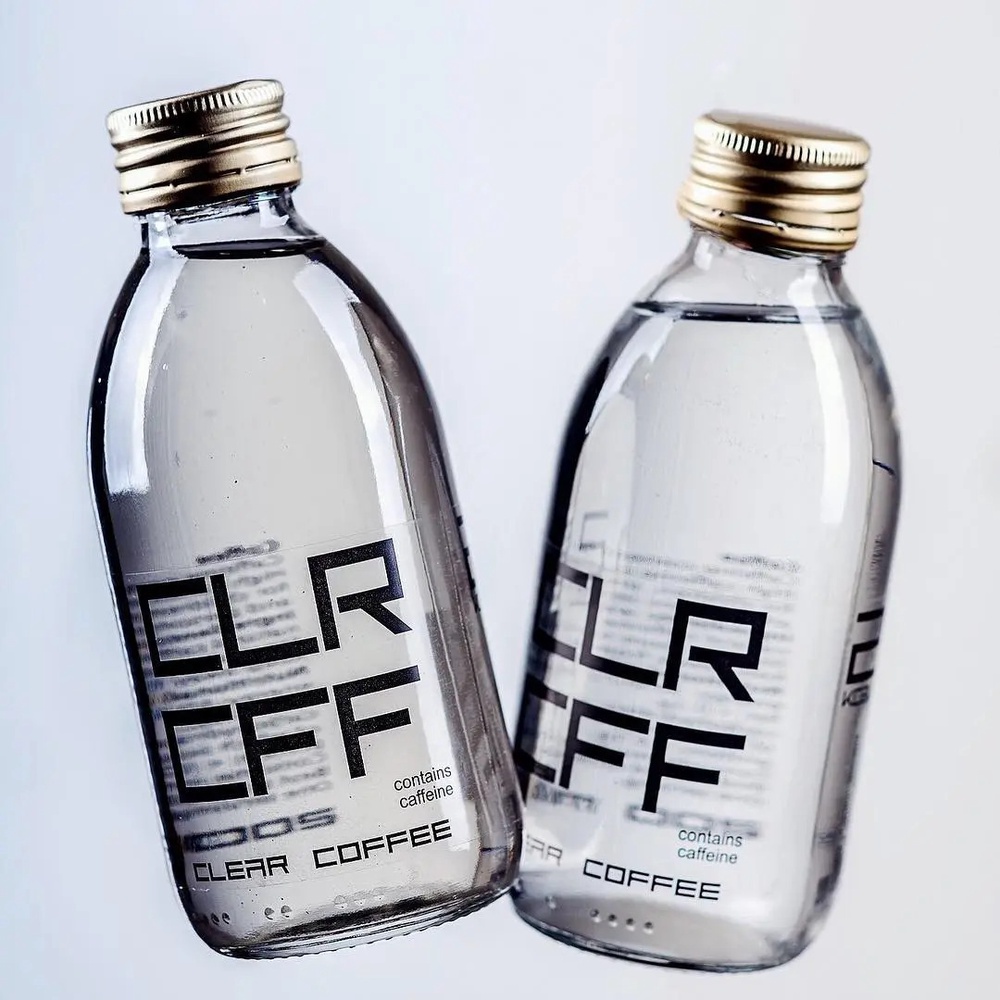
Tens of minutes before sunrise, when the city streets were still shrouded in fog and the sound of horns still resonated loudly, Mia (28) had walked to her favorite coffee shop. But it wasn't the milk latte she ordered that night but a drink that looked as clear as mineral water. "I took a sip and felt: is this coffee or water?" he said with a light laugh. He tried a trend that has recently emerged among urban coffee lovers: clear coffee, or what can be called "clear coffee". A new paradigm or just a marketing trick?
It's certainly not just a visual adventure, it opens a deeper storyline about lifestyle, coffee culture, and the turbulent global coffee industry. In this article, we'll dive into what clear coffee is, what the history and dynamics behind it are, and why this trend is biting all the way to Asian markets including Indonesia.
The term clear coffee refers to a coffee drink that is visually not brown or black like coffee in general but is clear or transparent like water. One of the earliest examples to get media attention is CFF's CLR brand, which Food & Wine says is produced from "high-quality Arabica coffee + pure water" and is free of sweeteners, preservatives, dyes and stabilizers. (Food & Wine)
While the production method is described as secret, the article from Vice says: "It is produced by methods which have never been used before." In a recent scientific study, research on "roasting variations and brewing methods" shows that making clear coffee can involve process modifications that lower the color pigments and particles that cause conventional coffee color. (Coffee Science)
The advantages offered: coffee with a "clean appearance", free of tooth or clothing stains, suitable for those who are very concerned about aesthetics or who are bothered by the visual effects of dark coffee. As Cosmetic Dentist Bill Dorfman points out in the article: while stain color can be avoided, "the acidic property of coffee also has a negative effect on teeth." (Allure) So even though it looks clear, the dental health aspect still needs to be considered.
In the Asia-Pacific regional coffee trends report, it is stated that "1 in 4 consumers in Asia-Pacific have increased their consumption of hot coffee due to the variants and novelties available in the market." (Innova Market Insights) This means: consumers are now not only after taste or caffeine, but also experience, aesthetics, and uniqueness of products. "Clean label", "no additives", and "clean label" are important aspects. (Innova Market Insights)
Clear coffee emerged as one of the radical innovations: not just a new flavor, but a look and concept that broke the paradigm of "coffee should be brown or black".
In the age of Instagram, TikTok, and aesthetically demanding foods, drinks that look 'not like coffee' are becoming a tool for consumers and cafes to show the "height of trends" or "lifestyle innovations". Clear coffee becomes a visual spectacle that provokes curiosity: "Is it really coffee?" This has given rise to its own viral appeal.
Meanwhile, the global coffee industry is under pressure. On the production side, for example, the price of arabica traded on the New York exchange is near a record high due to dry weather in Brazil and U.S. tariffs on imports. (Reuters) - On the one hand it is on the rise, but on the other hand it is causing manufacturers to look for product differentiation to create added value.
Imagine a minimalist shop in the center of Jakarta. The café offers "clear espresso" in clear glasses, equipped with ice cubes, without added cream or milk. One customer, Arif (34), tried: "The texture is light, the taste of the coffee is still there but smoother. Eye-watching: confused, is this coffee or water?" he said.
When served, the clear color evokes the first sensation: astonishment. Then comes the more subtle sensations: the aroma of coffee, the bitter taste that is less biting, relief because there are no stains on the lips or teeth afterwards. However, Arif feels that "clear coffee" is not for everyone: for connoisseurs of dark black coffee or dark roasting with a strong character, this sensation feels less 'aggressive'.
In general, the coloring in coffee comes from the pigment melanoidin, the result of the Maillard reaction during roasting and extraction. To make coffee appear clear, producers must lower or eliminate the pigments and particles that cause them. A scientific study in 2024 says that through a variety of roasting and filtering methods, clear coffee can be made. (Coffee Science) However, this process is often secretive: manufacturers like CFF's CLR don't reveal in detail how they remove color without losing caffeine or aroma. (TrendHunter.com)
Products like this target premium, niche segments that are ready to pay more for "different coffee". In the Asia-Pacific survey, a 42% increase in single-origin and innovative format coffee launches was recorded. (Innova Market Insights) Clear coffee appears to be part of the "coffee experience" wave, not just in the morning and energy.
While the claim of "stain-free color" is interesting, another aspect must be noted: the acidity of coffee remains and can damage tooth enamel, as Bill Dorfman warns. (Allure) In addition, the flavor and character will be different some consumers find that the flavor of clear coffee is lighter and more floating than classic espresso. (VICE)
Although there is no specific data yet that records "clear coffee" as a major phenomenon in Indonesia the general context of the national coffee industry supports the possibility of such a trend occurring. According to research, domestic consumption grew annually by 1.7% while globally it was only 1%. (ScienceDirect) And in a research article about Jakarta, coffee has become a cultural symbol, a barge place, and a space for urban expression. (Semantic Scholar)
In the highly competitive F&B market in big cities like Jakarta or Bandung, cafes can use "clear coffee" as a visual attraction and social media content. Young consumers (Gen Z and millennials) who pay attention to aesthetics, experiences and content are likely to be targeted. Research shows this generation starts drinking coffee earlier and values experience and authenticity as values. (TNT Marketing)
But there is a question: can the scale of this trend be large or remain as a niche? Are local Indonesian producers ready to introduce new fermentation or processing technology so that they can produce similar products at competitive prices?
More than just drinks, this phenomenon reflects something about the desires and identities of today's consumers. Here are some reflections:
- Desirability & invisibility: Clear coffee offers "invisible consumption “we still have coffee,” but "stain color," "traces of coffee," or "smell" are minimized. There is a desire to enjoy yourself without leaving any evidence.
- Aesthetics and self-presentation: In a world where photos and video uploads are part of the consumption flow, the appearance of drinks is part of identity. Clear coffee is a symbol of "up to date", "innovative", and even a little futuristic.
- Innovation vs. tradition: Indonesia has a history of coffee (tubruk coffee, civet coffee, specialty coffee). Clear coffee is an extreme step of innovation, and it raises the question: does it shift the value of "the authenticity of the taste of coffee" to a more "stylish" form?
- Clean and mindful consumption: A lifestyle that demands "clean labels", "no additives" is also encouraged. Clear coffee seems to follow the narrative of "drinking coffee, but without aesthetic compromise or visual side effects".
Clear coffee isn't just a market joke, it crashes into our basic expectations of what coffee means. Dark colors, thick aromas, and strong flavors have always been coffee's identity but now a bold alternative has emerged: coffee that is less visible yet still claimed as coffee. From hipster cafes in London to Jakarta's Instagram feed, these drinks sparked reactions: confusion, enthusiasm, skepticism.
However, it is important to remember that innovation does not always mean superseded in the quality of taste or meaning. Clear coffee opens a discussion space: what are we looking for when we "have coffee"? Taste? Ritual? Display? Identity? And for Indonesia's local coffee industry, it's a reminder that competition isn't just about taste, but experience and aesthetics.
Behind a clear glass, there is a deeper reflection: about how we choose to drink, choose to perform, choose to be part of the trend or choose to stick to the dark and pungent aroma of Sumatran ground coffee.
Finally, will clear coffee become mainstream or remain a limited phenomenon? Time and the tongue of the consumer will answer. But one thing is for sure: when you take a sip of a drink that looks like water, and realize that it's coffee, you've entered a new story of the coffee world one that is clear yet meaningful.
AM World (tameer.work88@gmail.com) is a content creator under the Newswav Creator programme, where you get to express yourself, be a citizen journalist, and at the same time monetize your content & reach millions of users on Newswav. Log in to creator.newswav.com and become a Newswav Creator now!
The User Content (as defined on Newswav Terms of Use) above including the views expressed and media (pictures, videos, citations etc) were submitted & posted by the author. Newswav is solely an aggregation platform that hosts the User Content. If you have any questions about the content, copyright or other issues of the work, please contact creator@newswav.com.