

Donald Trump is reportedly considering lifting sanctions on Russia and Iran’s so-called ‘shadow fleet’ of oil tankers in a desperate bid to bring down diesel prices ahead of the November midterm elections.
A Treasury department official told the FT the administration was considering allowing the sale of blacklisted vessels to “legitimate” operators and lifting sanctions so they could trade in the global market.
“These removals would not benefit the shadow fleet, but would remove those vessels from the shadow fleet for use in legitimate global commerce,” the official said.
The authorisation of transactions and the lifting of sanctions would be considered on a “case by case” basis, they added.
Energy secretary Chris Wright said earlier this week that Washington was considering easing sanctions on shadow fleet vessels in an effort to lower record freight rates that have hurt demand for US crude.
Energy Aspects, a consultancy, said that sanctions relief for shadow fleet tankers to bring down record freight rates was unlikely to have the desired effect.
“When the US energy secretary floated the idea at the World Petroleum Congress on 12 October, EA Live told clients within hours that it would not fix freight overnight,” they said in a post on social media.
“Most US-sanctioned tankers are old. Most sanctioned capacity sits under Iran sanctions. And most tankers sanctioned over Russian or Venezuelan links have kept trading anyway.”
Britain and other European nations accuse Russia of using foreign-flagged oil tankers to export oil within a ‘shadow fleet’, allowing Moscow to continue benefitting from its lucrative energy trade despite international sanctions.
The shadow fleet vessels typically have blurry ownership structures and are often poorly regulated, ageing tankers prone to spills, mechanical failures and leaks.
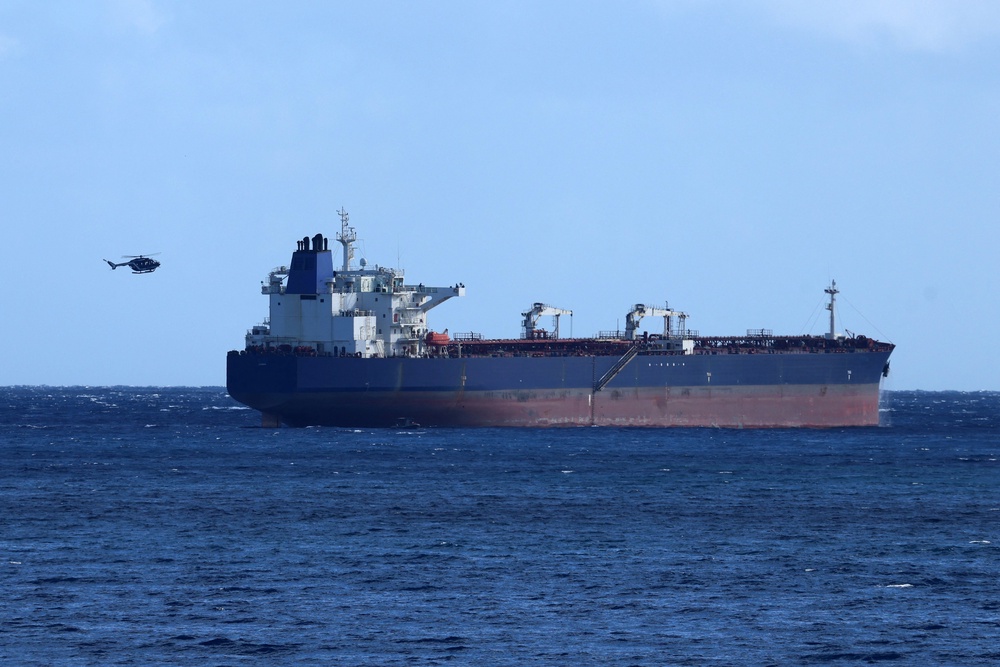
The UK says it has already sanctioned more than 500 suspected shadow fleet vessels, and estimates that some three-quarters of Russia’s crude oil output is transported by these ships.
The US only last week imposed fresh sanctions on Iran targeting its “illicit maritime infrastructure” in a bid to pressure the regime after nearly eight months of war.
Trump also created friction with Ukraine last week by temporarily lifting sanctions on Russian diesel exports even as allies work to squeeze Vladimir Putin into ending the full-scale invasion.
But diesel prices, which are often a big driver of inflation, are up 70% since the US and Israel launched the war with Iran on February 28.
The wars in Iran and Ukraine have triggered a severe global fuel supply crunch, pushing average US diesel prices to $6.28 a gallon on Thursday, according to the AAA motorist group.

US diesel futures fell almost five per cent following news of the deal with Russia and were trading at $4.64 a gallon.
“Lower prices for Americans, especially our Great Farmers, Ranchers, and Truckers, is my Greatest Priority,” Trump said.
Analysts said the agreement on diesel was nonetheless unlikely to lead to sustained lower fuel prices.
“I cannot overstate how much of a nothing burger this is,” Rory Johnston, an oil market researcher and founder of CommodityContext.com, said on X.
He added that Russia usually exports much more diesel than volumes in the deal when its refinery fleet is not under attack.
Read MoreNew praying mantis species discovered hiding in plain sight in Iran
Americans face another painful blow to mortgages and credit cards
Ukraine war live: Zelensky takes swipe at Trump and praises ‘real leaders’
Ukraine ‘runs out of Patriot interceptor missiles to defend against Russian attacks’
Russia strikes 9 Ukrainian regions as strain grows between Zelenskyy and Trump
Man with suitcase full of venomous snakes stopped at German airport

