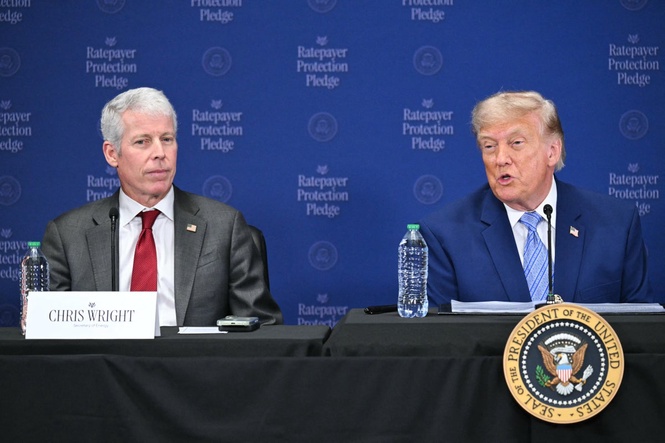
President Donald Trump is preparing to institute a 90-day ban on diesel exports in a bid to bring down soaring prices — despite opposition from Energy Secretary Chris Wright and industry insiders, according to a new report.
The prohibition, which would be the first restriction on American energy exports in over a decade, could be announced in the coming days, Politico reported. The hope among administration officials is that, by redirecting diesel bound for Asia or Europe back into the U.S., it could provide relief at the pump ahead of the midterm elections. The White House described the story as “fake news.”
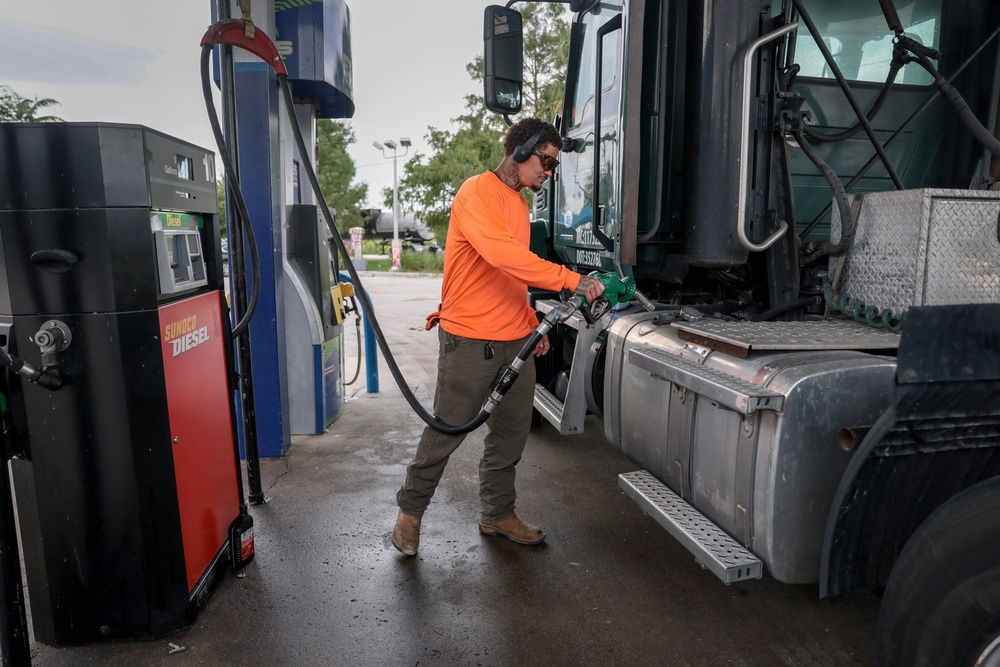
Global energy prices have risen dramatically amid the ongoing Iran war, largely due to the closure of the Strait of Hormuz, a critical trade route. On Wednesday, the average national price for a gallon of diesel stood at $6.52, up from $3.69 one year ago, according to AAA.
A number of top officials, including Wright and Treasury Secretary Scott Bessent, as well as oil industry executives, have balked at the possibility of a 90-day ban.
“The blunt tool of banning diesel exports definitely doesn’t work because the U.S. exports a lot of diesel,” Wright said during a discussion this week, according to Politico.
“We’re the largest diesel exporter in the world, but that same refinery that produces diesel also produces gasoline and jet fuel,” he continued. “So, if you can’t export the diesel that comes out of our refineries when you run out of places to store it, and you have to reduce U.S. refining, which would put upward pressure on gasoline prices and jet fuel prices.”
After being informed of the plan by Wright on Tuesday, energy CEOs quickly telephoned the White House to push back against the ban, an administration energy adviser told the outlet, adding: “It’s a terrible idea.”
One reported concern is that the 90-day ban could be extended. Another is that it could create a precedent for further government intervention in the private sector down the line.
An industry official told Politico that the fate of the proposal may come down to whoever is “the last person in the room” with the president.
Despite widespread opposition, the proposal may end up going into effect on account of political pressures the president is facing ahead of the midterm elections, now just six weeks away.
While Trump has long insisted higher fuel costs are a “small price to pay” for neutralizing Iran, most Americans don’t feel that way. Sixty-one percent of voters view prices at the pump as a significant concern, according to a September Fox News poll. And a number of GOP lawmakers have recently expressed that something must be done.
“What has overpowered cooler heads [in the White House] is the absolutely, sky-is-falling, we-have-to-do-something concern about prices at the pump” contingent, an oil industry executive told Politico. “That camp has been swept aside by the political camp, which says, ‘dammit, something has to happen.’”
The 80-year-old president is disposed to believe any backlash to the 90-day ban could be thought of as “a December problem,” the source said.
“This is not true,” a White House spokesperson told The Independent. “Politico published this Fake News even though the Energy Secretary publicly addressed this earlier today.”
The spokesperson pointed to comments from Wright delivered at the United Nations General Assembly, where he said the administration would not fully ban diesel exports, but instead implement restrictions.
Read MoreJudge says Trump didn’t follow ‘process’ with press ban but keeps CNN, MSNow in limbo
After championing his election MAGA influencers are mentioning Trump far less
David Miliband: Aid cuts to blame for Ebola outbreak that has killed thousands
Ukraine-Russia war latest: US invites Putin to G20 summit in Miami
Trump team now wants to put his name on Ford’s Theatre where Lincoln was shot: report
One of Texas’ top smokehouses drops brisket from menu due to soaring beef prices