Anthropic, OpenAI and other artificial intelligence firms are now the focus of a sweeping investigation by the Federal Trade Commission into whether their products are harming American consumers, according to reports.
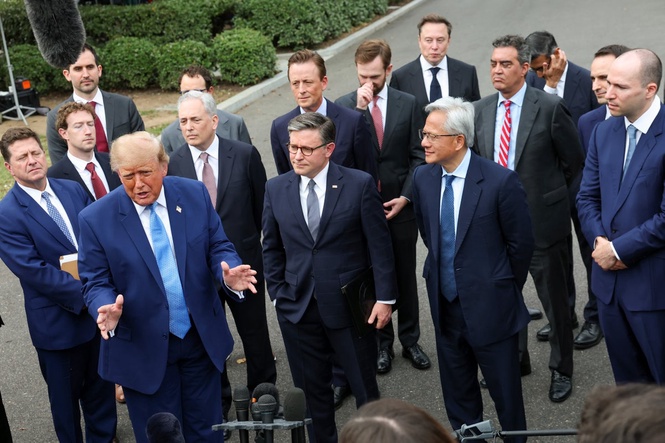
News of the investigation, which has not been publicly announced, arrived one day after Donald Trump’s “accord” with major AI firms, which the president described as a “morally binding” but voluntary pact with leading industry figures to self-regulate a technology that is facing immense political and legal scrutiny.
The investigation could be used to bolster the administration’s dubious position that existing laws can sufficiently protect against threats from rapidly developing AI products — despite growing, apocalyptic warnings from developers and routine news of autonomous AI agents gaining unauthorized access to sensitive systems.
Andrew Ferguson, the Trump-appointed chair of the agency, said last week that the federal government should treat warnings about AI threats with “deep suspicion.” After his meeting with AI executives on Tuesday, Trump repeatedly demanded that the world should call AI “super intelligence” and insisted the firms will be “policing each other” despite warnings from developers that their own products are now able to escape from them.
The Independent has requested comment from the FTC. Anthropic, which develops Claude, and OpenAI, which makes ChatGPT, did not immediately return The Independent’s request for comment.
The investigation also comes as members of Congress and other oversight bodies grapple with how to respond to industry threats that are rapidly outpacing a halting, aging bureaucracy.
Anthropic and OpenAI executives have proposed a coordinated slowdown among firms to closely study how their products are rolling out. OpenAI also announced this week that it postponed a planned release of a new model, citing potential safety issues.
In Wednesday testimony to Congress, former OpenAI researcher Daniel Kokotajlo said the use of AI products to both develop other products and regulate themselves is a “recipe for disaster” and urged government intervention.
Despite the president’s remarks, administration officials have suggested there is room for federal action.
Vice President JD Vance said Tuesday that the FTC and the Department of Justice could still function as watchdogs over the industry.
“They have to build products that are safe and good for American consumers,” he said at an event with xAI’s Elon Musk and Nvidia CEO Jensen Huang.
“The government actually has preexisting laws on the books where if you build something that gets unleashed on the internet, that is used as a tool for cyberwarfare, then you have responsibility for the products you develop,” Vance added.
Pressure to investigate AI firms accelerated earlier this year after a wave of AI-driven cyberattacks targeted public water infrastructure in more than a dozen states.
Current and former Anthropic developers also delivered grave warnings that the AI companies were sprinting towards “superhuman systems that can hack anything” and endangering humanity in the process.
Anthropic also reported this month that the company blocked several attempts to use its AI for high-profile hacking operations as well as research that could create bioweapons, firearms, missiles, armed drones and bombs.
Those reports have raised major alarms for cybersecurity experts, who warned that AI’s potential threats should serve as urgent wake-up calls to the immense vulnerabilities in American infrastructure and the potentially devastating consequences of unrestrained, weaponized AI.
“We have a limited window to strengthen cyber defenses,” tech companies wrote in an open letter last month.
“In the coming months, AI-enabled cyber attacks will become far more widespread and sophisticated as models around the world become increasingly capable,” the statement says. “The companies and public services our communities depend on — from hospitals to water treatment plants to the infrastructure that powers the internet — are at risk.”
Tuesday’s vague, one-page document from the White House does not serve as an official order or executive action but rather an unenforceable message to an industry that the president has pumped enormous resources into protecting, insisting that American dominance over AI technology is critical for national security and economic growth in a race against China.
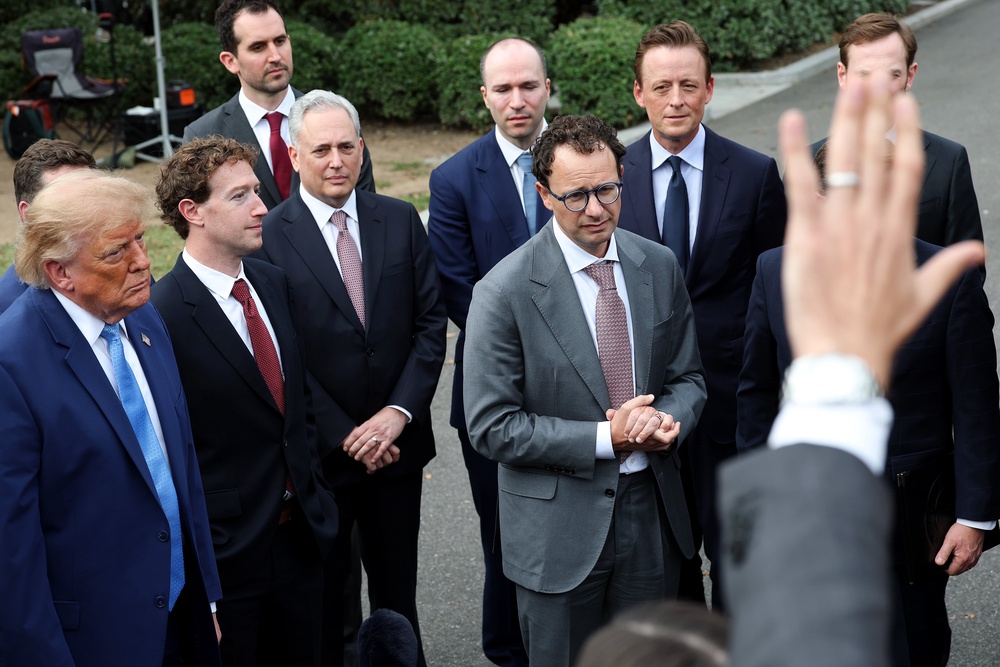
The document was signed by Trump as well as the leaders of Anthropic, Google, Meta, Nvidia, OpenAI and SpaceXAI.
“We’re going to advance this technology that is so consequential to humanity, so consequential to the future prosperity of our nation,” Huang told reporters outside the White House following Tuesday’s closed-door meeting with the president. “We’re going to do it responsibly and safely.”
Read MoreHegseth’s new ‘field manual’ for troops is filled with his speeches
FTC is investigating OpenAI and Anthropic over possible risks to consumers
Trump celebrates US military exit from Iraq: ‘Very expensive excursion into Hell’
Newsom claims ‘bull**** artist’ Joe Rogan is too scared to have him join the show
The ‘Cornell 7’ and the problem with how to raise our boys
Rape-accused comic Russell Brand and Dr. Oz joke about hugging female Trump secretary