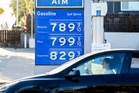
Inflation accelerated last month to 3.7 percent, a clear sign that prices remain elevated as midterm elections approach. The upcoming government report on consumer costs arrives at a moment when affordability concerns heavily define the political landscape.
Economists surveyed by data provider FactSet expected consumer prices to increase 3.6 percent in September compared with a year earlier, up from 3.4 percent in August. On a monthly basis, prices are forecast to rise 0.6 percent from August to September, up from 0.4 percent the previous month and the largest jump since April.
The figures highlight the ongoing impact of the Iran war on gas prices alongside persistent inflation, which has fallen sharply from a peak of 9.1 percent in 2022 but has drifted upward since the conflict began in late February.
Continued price growth poses political challenges for congressional Republicans and presents a hurdle for the Federal Reserve, which is legally mandated to maintain price stability.
Ongoing inflation continues to weigh on Trump’s standing with U.S. voters. A poll conducted by The Associated Press-NORC Center for Public Affairs Research revealed that just 17 percent of U.S. adults approve of his handling of the cost of living. Furthermore, only 26 percent approve of his overall economic performance, marking a new low.
Excluding volatile food and energy categories, core prices likely increased 2.5 percent in September from a year ago, up slightly from 2.4 percent in August. While closer to the Fed's 2 percent target, core inflation has largely stayed stuck at that level since January, before the Iran war. Core prices are projected to rise just 0.2 percent month over month.
Federal Reserve officials are carefully reviewing economic data to determine whether further interest rate hikes are necessary, and by how much.
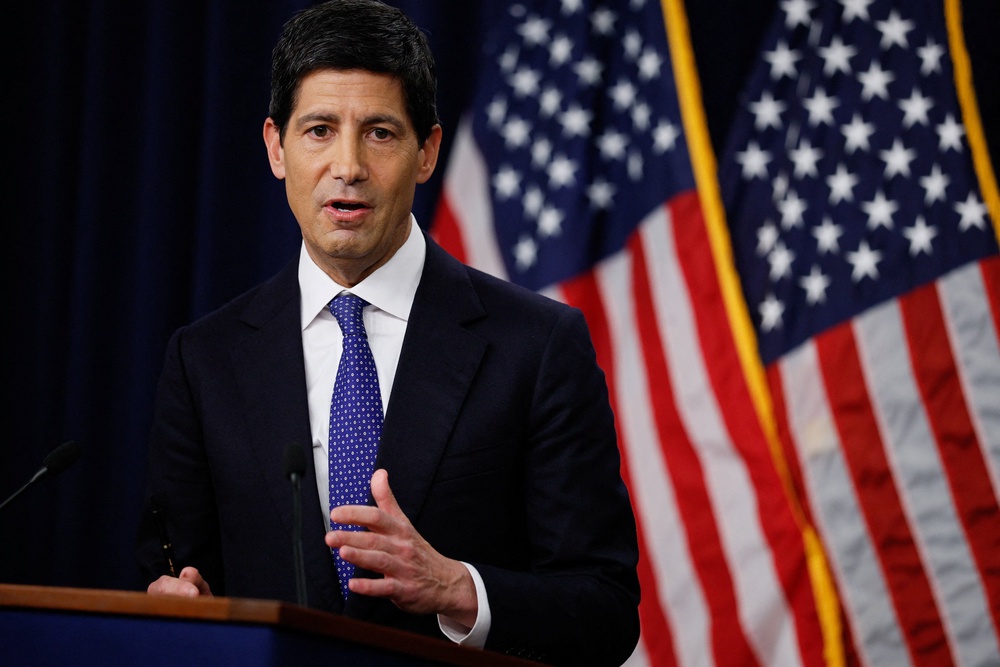
Fed Chairman Kevin Warsh stated last month that inflation is not moving quickly enough toward the central bank's target, leading officials to raise rates for the first time in three years to roughly 3.9 percent.
"The plain fact is that inflation is too high and has been for too long," Warsh said at a news conference last month. Summer inflation reports "do not tell me that underlying trends have meaningfully improved," he added.
Still, several key Fed officials suggest the central bank can wait before raising borrowing costs again. Most Wall Street investors expect rates to hold steady at the upcoming October 27-28 policy meeting, anticipating a possible hike in December instead. Officials have penciled in just one additional increase this year.
Higher interest rates aim to cool spending and economic growth to curb price increases. However, borrowing costs cannot resolve supply shocks, such as energy disruptions stemming from the war in Iran.
Warsh aims to prevent rising fuel costs from spreading broader economic damage. Gas prices jumped 9 percent from August to September, driving much of the overall inflation surge, while airfares have climbed roughly 23 percent from a year ago.
Pump prices have eased slightly in recent weeks, though nationwide gas averaged $4.34 a gallon on Tuesday, remaining higher than a month prior.
Those costs raise shipping expenses for businesses, forcing some to pass the burden to consumers. Last week, PepsiCo announced price hikes on snacks including Doritos, Ruffles, and Sun Chips, as well as sodas, citing higher fuel, ingredient, and packaging expenses.
Additionally, the expansion of artificial intelligence has raised costs for semiconductors and electronic components, pushing up retail prices for laptops, smartphones, and gaming devices. On September 1, Nintendo increased the Switch 2 price by 11 percent to $499.99, while Apple’s iPhone 17 launched at roughly 10 percent higher than its predecessor.
Read MoreUS families are behind on bills at rate not seen since Great Recession
Trump faces fresh economic nightmare as food and gas prices soar before midterms
JPMorgan misses profit target as market volatility hits dealmaking and bond trading
Head of Social Security says the program will be around for another 90 years
Halloween costs are giving families a fright at over $100 per person
The cost breakdown which lays out why Americans are struggling on $100,000 salaries