While President Donald Trump has hailed his global tariffs as a win for the American consumer, federal data proves otherwise.
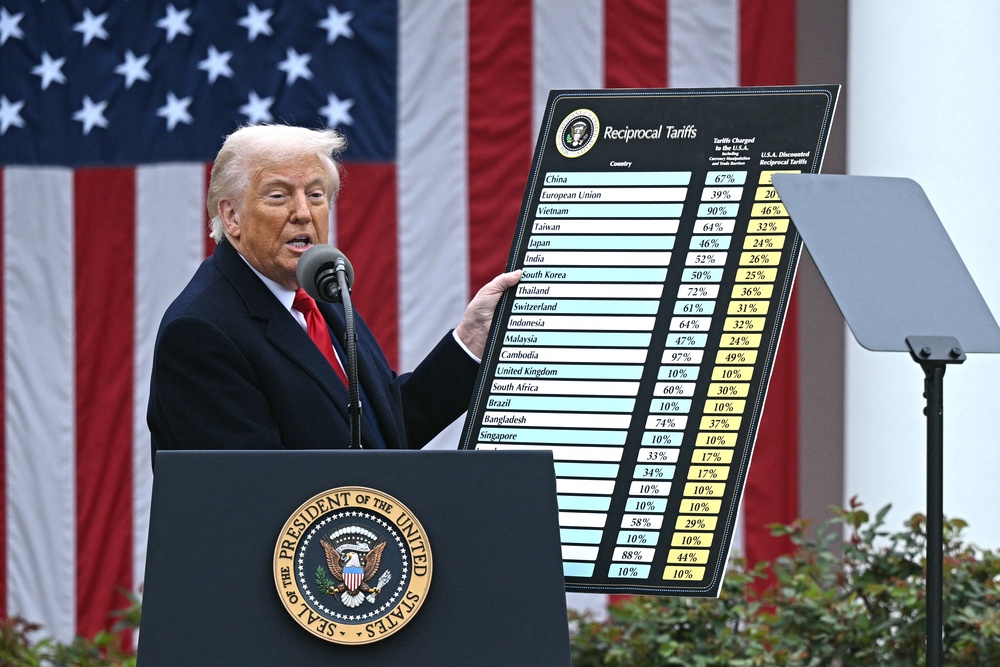
The tariffs, first introduced in April 2025, have raised the price of goods in the U.S. - from groceries to cars and furniture - by 2.9 percent through February 2026, according to a Federal Reserve Bank of New York report this month.
Without the Trump administration’s tariffs, “goods prices would have fallen slightly,” the Fed noted.
The U.S. has set taxes on imports from most countries in the low double digits, although the rates have gone up and down because of legal setbacks as well as Trump’s habit of changing them seemingly on a whim.
Though Trump insisted foreign exporters would pay the tariffs, multiple studies have proven the cost has trickled down to American consumers.
Through February 2026, U.S. consumers were paying 17.5 percentage points more for clothing, 10 percentage more for coffee and tea and 7.4 percentage points more for furniture because of the tariffs, according to nonpartisan policy group, The Tax Foundation.
Americans aren’t happy with the Trump administration’s trade war. Some 64 percent of U.S. adults say the president has gone too far with his tariffs, a survey this month from AP-NORC Center for Public Affairs Research found.
Across the country, there is broad concern among consumers that their dollars aren’t going as far as they need them to.
With the midterm elections fast approaching, gas and diesel prices remain at their highest points since the pandemic in part due President Trump’s war with Iran.
Other areas of the U.S. economy continue to see persistent inflation as well, which many economists have linked to the tariff agenda pursued by Trump since he returned to office.
With additional reporting from The Associated Press
Read MoreWealth boom in the US sparks renewed questions about income inequality
This is the best drive-thru in America - and its focus isn’t food