

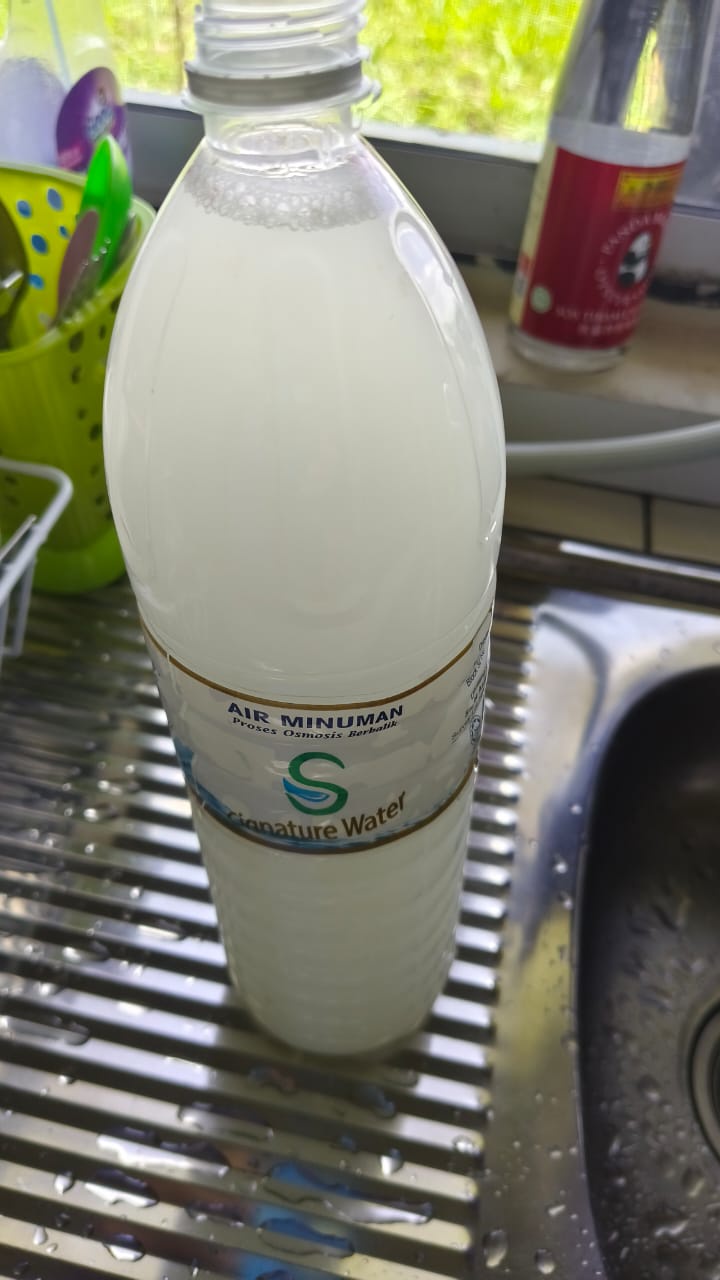
Every time we cook rice, we rinse it — and most of us pour that milky water straight down the drain. But what if that “wastewater” could actually help your plants thrive while reducing your household’s water footprint?
The Hidden Power in Rice Rinse Water
Rice rinse water (often called rice wash water) is the cloudy liquid you get after washing uncooked rice. Though it looks like waste, it’s full of microscopic nutrients and natural starches. When rice is washed, small amounts of carbohydrates, proteins, and minerals like nitrogen, phosphorus, potassium, and trace elements are released into the water — making it a mild, natural fertilizer.
Instead of discarding it, this humble by-product can be recycled as plant feed, especially for vegetables, herbs, and ornamentals.
Why Aeration Makes All the Difference
If you store rice rinse water in a bottle and leave it stagnant, it tends to go sour and anaerobic — giving off a foul smell due to the growth of unwanted bacteria. However, aerating the water (by bubbling air through it for 12–24 hours using an aquarium pump or simply shaking and leaving the lid open) changes everything.
Here’s what happens:
- 🌬 Oxygen encourages beneficial microbes — especially those that help break down starches into plant-available nutrients.
- 🌿 Fermentation turns mild — creating a probiotic solution that boosts root health and microbial life in the soil.
- 💧 Reduced odor, increased stability — aerated rice rinse water stays fresh longer and doesn’t attract pests.
In essence, aeration transforms rice rinse water from a simple kitchen by-product into a living bio-tonic.
How to Use It
- Collect: Save the water from your first or second rinse of rice.
- Aerate: Leave it bubbling or loosely covered for 12–24 hours.
- Apply: Use it as a soil drench or foliar spray, ideally diluted 1:1 with clean water for delicate plants.
- Frequency: Once or twice a week is enough — moderation keeps the soil balanced.
For even greater results, some gardeners combine aerated rice rinse water with vermitea, EM (Effective Microorganisms), or seaweed extract, creating a natural bio-fertilizer blend.
Environmental and Community Impact
This small habit carries big implications:
- ♻ Waste reduction: Every household that recycles rinse water saves liters of clean water daily.
- 🌏 Soil regeneration: Regular use improves soil microbial diversity and organic matter, crucial for sustainable farming.
- 💰 Cost savings: It’s free, accessible, and eliminates the need for many chemical inputs.
When practiced widely — from home gardens to plantations — such simple, nature-based recycling aligns perfectly with Malaysia’s move toward zero-waste and regenerative agriculture.
The Takeaway
Rice rinse water proves that sustainability doesn’t always require complex technology — sometimes, it starts with rethinking what we throw away. By aerating and recycling this nutrient-rich water, every household can help close the loop between kitchen and garden, nurturing both soil and soul.
David Mak (davidmak07@gmail.com) is a content creator under the Newswav Creator programme, where you get to express yourself, be a citizen journalist, and at the same time monetize your content & reach millions of users on Newswav. Log in to creator.newswav.com and become a Newswav Creator now!
The User Content (as defined on Newswav Terms of Use) above including the views expressed and media (pictures, videos, citations etc) were submitted & posted by the author. Newswav is solely an aggregation platform that hosts the User Content. If you have any questions about the content, copyright or other issues of the work, please contact creator@newswav.com.