The UK has committed to entering a "structured, time-bound, inclusive and good-faith dialogue" with nations impacted by the slave trade, a joint communique from Commonwealth leaders has revealed.
The statement declared that the moment had arrived for a "meaningful, truthful and respectful conversation towards forging a common future based on equity".
This follows moves by prime minister Andy Burnham to consider a formal UK apology for its historic part in the transatlantic slave trade, though he dismissed paying direct reparations.
In the document, leaders stated: "We welcome the agreement of the Government of the United Kingdom to engage in a structured, time-bound, inclusive and good-faith dialogue with affected parties addressing the transatlantic trafficking of enslaved Africans and its historical harms."
The UK has faced mounting demands to pay reparations for its role in the slave trade. Earlier this week, Burnham signalled that he was “open” to a formal apology and approved £40m in aid funding for the Caribbean.
He said that the Commonwealth is “more important today than ever before” amid “such volatile times” globally as he met his Antigua and Barbuda counterpart Gaston Browne.
King Charles told a summit in the Caribbean this week: “The transatlantic trade in enslaved persons still casts a shadow over these islands and other members of our Commonwealth.
“As I have said before, that shameful chapter of history is one that fills my heart with horror and my soul with the most profound personal sorrow.”
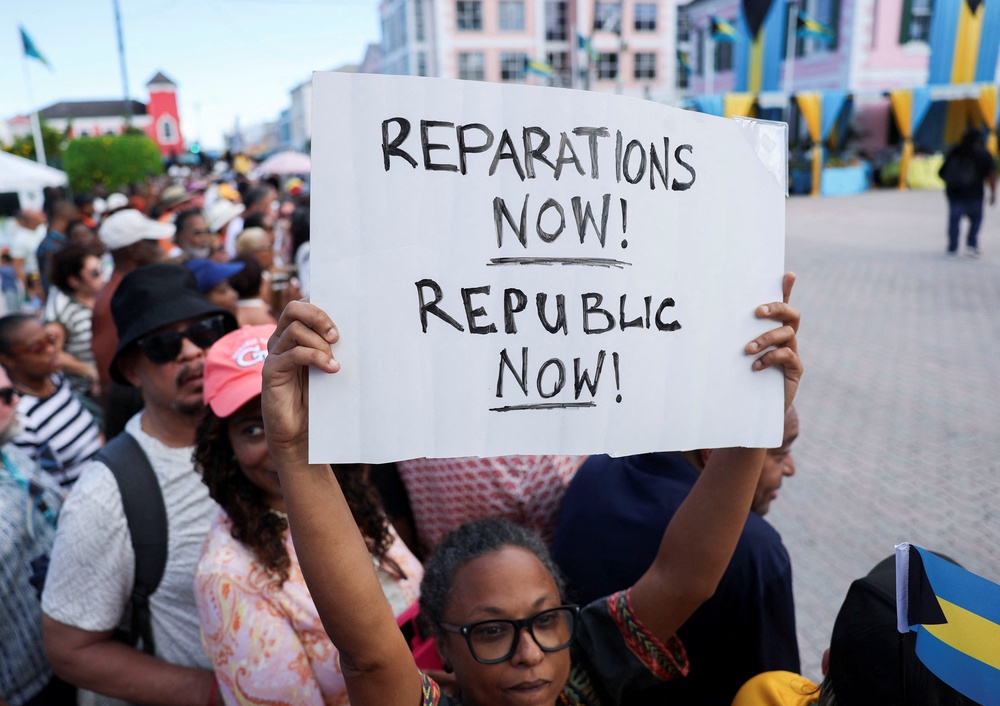
A small protest was seen near the perimeter of the Commonwealth Heads of Government Meeting area with activists holding a sign that read “You say you regret so apologise”, and “Apologise for the greatest crime against humanity and let’s have reparatory justice”.
Ed Miliband, the foreign secretary, has insisted that British taxpayers will not pay a penny more as a result of Mr Burnham’s “new approach” to the Commonwealth.
Speaking to BBC Newscast, he accused previous governments of having had a tendency to “sweep under the carpet” the issue of slavery, and echoed his boss in ruling out extra financial contributions, as well as the prospect of reparations, for the UK’s historical role.
In 2006, Sir Tony Blair expressed “deep sorrow and regret” for Britain’s involvement in the slave trade when he was serving as prime minister, but stopped short of an official apology.
Mr Miliband criticised what he described as a “sorry, not sorry” from Sir Tony, and suggested that the Government might reach the point of a formal apology by the time it hosts the G20 leaders’ summit in Manchester next November.
Calls for an apology and reparations have grown in recent years, with St Lucia’s Prime Minister Philip J Pierre, chairman of the 15-member Caribbean Community (Caricom) reportedly saying the economic and political bloc was “ready to engage” in the “structured dialogue” Mr Burnham had proposed.
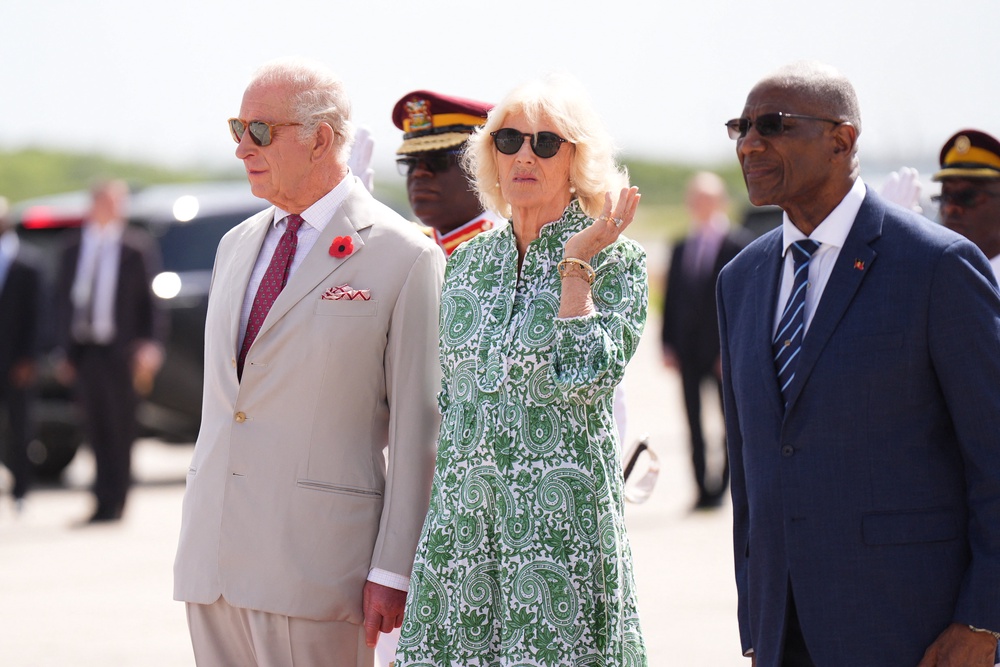
The Commonwealth leaders’ summit coincided with a visit by the King, who is the head of the group, to the Caribbean.
Read MoreUK agrees to ‘time-bound’ talks on ‘historical harms’ of slave trade
Leaked papers show EU wants more money and not to deport prisoners in reset deal
Burnham says ‘world has an opportunity’ to resolve Iran war after US midterms