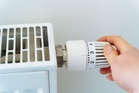
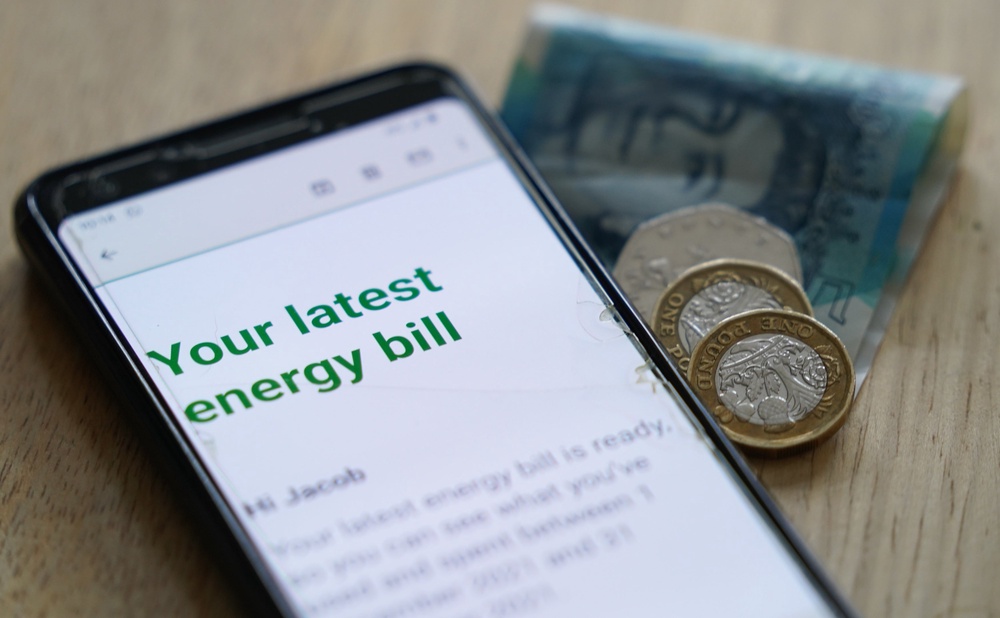
Millions of households will face a squeeze from soaring energy bills this winter, with prices set to hit a three-year high from October.
Regulator Ofgem increased the price cap to a three-year high on Wednesday, raising it by 4 per cent from October 1 for a typical household in England, Scotland and Wales.
Ofgem said the price cap will rise by £60 per year – or £5 per month – to £1,723 for the average household using both electricity and gas if this level was sustained for a year.
It serves as a major blow for the Labour government, as the energy secretary admitted the prime minister’s formerly announced help on energy bills will not cover the price hike.
Andy Burnham has vowed to continue to look for ways to get prices down in the long term, but faces criticism from political opponents and calls to do more to help households.
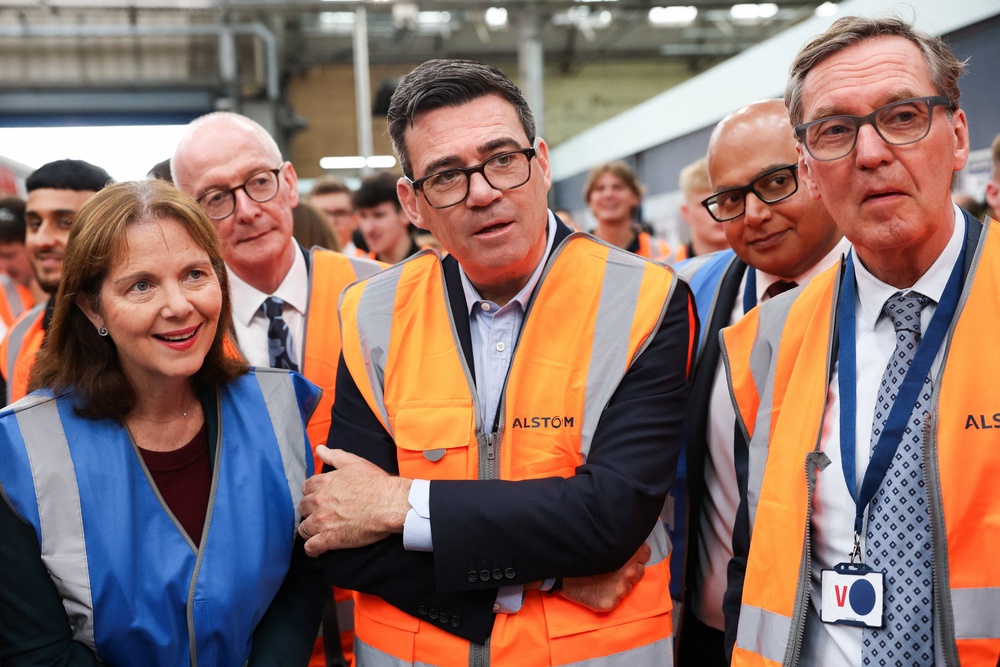
Speaking to reporters from a supermarket in London, the prime minister said: “It’s difficult for people and I recognise that.
“But it’s why, within days of taking office, I announced that we would remove VAT off electricity bills to give people that little bit of help.
“That kicks in from October. We know the price cap will have an impact, but it is what we can do right now.
“And we’ll continue to look as we go forward at how we get energy prices down in the long term, and that’s what we need to do too.”
Reacting to the energy price cap rise, Miatta Fahnbulleh said: “Families will be understandably concerned about the cost of energy bills this winter, which is being driven up by the Iran war.
“Energy is an everyday essential and it needs to be affordable for everyone, which is why we have cut VAT on electricity bills from October, to give families some breathing space.
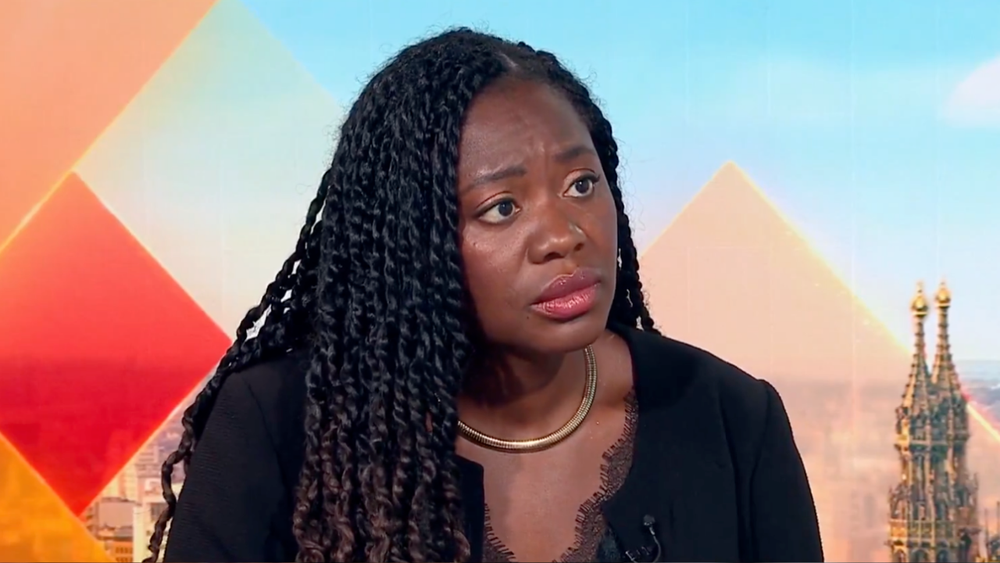
“This has limited the rise in the price cap and follows the £150 in costs we removed from bills earlier this year, and we will keep looking at what more we can do to protect families from unaffordable bills.”
But she admitted the prime minister’s energy measures won’t cover the price cap increase, telling Sky News: “It doesn’t, but it helps. So it’s £45 lower than it would have been had we not acted. But look, we know that there is more that we need to do.”
It comes after the Middle East conflict affected wholesale prices. The ongoing heatwaves across Europe have added further pressure by increasing gas demand for power generation to meet air conditioning and cooling demand.
Asked if she was frustrated about the impact of Donald Trump’s war on Iran had raised prices, Ms Fahnbulleh said: “I am frustrated that global events are having an impact on households, businesses in this country.
“Of course I am, and you know when you’re working to do things like increasing the amount of clean power to drive down bills, and then you’ve got shocks like that that then increase bills. That is massively difficult for families, but it’s hugely frustrating for government as well.”
However, she denied the government’s drive to net zero had pushed up energy bills: “It’s simply not true, and when I talk about clean power, it is, yes, good for the environment – but it’s absolutely critical to our strategy to delivering bills that are more affordable because it breaks that link to global fossil fuel markets.”
The increased October cap, which will remain in place for three months, will come into force as households start to increase their energy usage further by using their heating more regularly, adding to bills.
In a further blow for households, analysts Cornwall Insight released their latest forecast on Wednesday for a further 9 per cent increase to the price cap in the new year.
Neil Kenward, Ofgem’s director general for markets, said: “High international gas prices are continuing to drive energy costs in the UK.
“We welcome the government’s intervention to remove VAT from electricity bills, without which customers would have faced even higher costs this winter.
“Savings are available by choosing a fixed tariff, which are available at £100 or more below the October price cap, and many suppliers offer tariffs with cheaper electricity to smart meter customers for electricity consumed out of peak times.
“It’s also worth considering different payment methods, with prepayment customers paying the lowest price cap rates, and could save consumers an average of about £45 compared to direct debit.”
The Conservatives have accused Labour of failing to deliver on its promise to cut energy bills, with Claire Coutinho, shadow energy secretary, having said, “Labour promised to cut energy bills by £300, but they have gone up by nearly £400 instead.
“Our cheap power plan would cut energy bills for households and businesses by scrapping government taxes and levies on bills, and it wouldn’t cost the taxpayer a penny. We have to put cheap energy first.”
The Resolution Foundation think tank urged the government to take more action. “This underscores the need for the government to have targeted support with energy bills designed, costed and ready to switch on as soon as January, in order to protect households from another cost of living crunch,” said Jonathan Marshall, principal economist at the Resolution Foundation.
The energy price cap was introduced by the government in January 2019 and sets a maximum price that energy suppliers can charge consumers in England, Scotland and Wales for each kilowatt hour (kWh) of energy they use.
It aims to ensure that prices for customers on default energy tariffs are a fair reflection of the cost paid by suppliers for wholesale energy, and that the profit firms make is capped.
Ofgem sets its cap every three months as the average amount paid by the typical household.
Rising energy bills ‘difficult’ for people, Andy Burnham says
What does today’s energy price cap actually mean for your bills?
Households brace for winter energy squeeze as Ofgem to reveal October price cap
Worker sues over claims mattress fell on her and gave her brain damage
Bristol osteopath struck off after telling patient that ‘sex with children is OK’
Prison manager says he hadn’t had first aid training in 35 years after inmates death
.jpg?width=1200&auto=webp&trim=0%2C56%2C0%2C55)