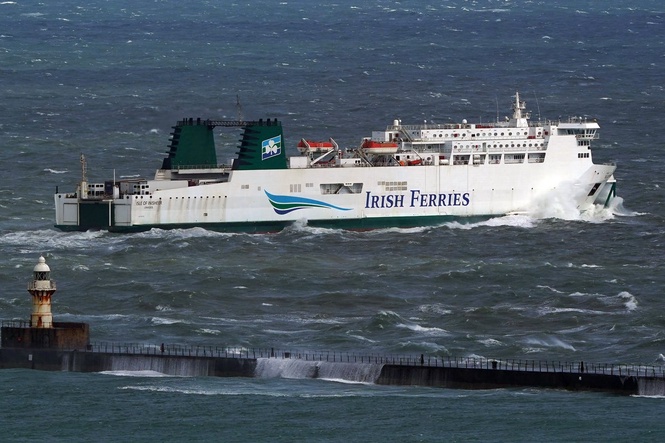
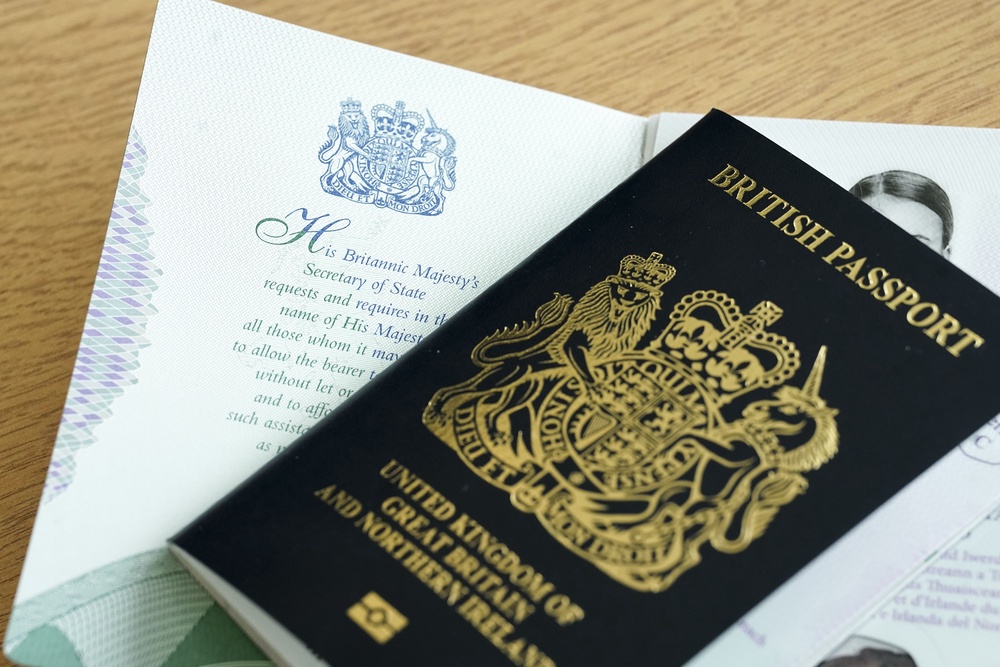
People taking ferries between Britain and Ireland will need a valid passport from late September following updated directives from the UK Border Force.
Ferry operators Stena Line and Irish Ferries told customers on Wednesday of the changes, which stem from UK Border Force rules concerning the "accuracy and integrity of passenger data before boarding".
Currently, travellers are not always asked for a passport, with other photo identification often accepted.
Stena Line confirmed that passengers on its Holyhead to Dublin and Fishguard to Rosslare crossings must produce a passport on departure, with no other ID accepted, regardless of age or nationality.
The ferry firm added: "Customers with existing bookings are currently being notified by the customer service team to ensure customers are fully supported during this change of operations."
Rules remain unchanged for Stena Line services via Belfast, Liverpool, Cairnryan or Heysham.
In a similar update, Irish Ferries said: "All passengers, including Irish and British citizens, travelling between the Republic of Ireland and Britain (both directions) will be required to carry a valid passport."
Passengers are advised to ensure their passport or passport card is in date before arriving at the port. There are no checks between the republic and Northern Ireland.
While British and Irish citizens do not legally need a passport to travel between the two nations under the century-old Common Travel Area agreement, the ferry measure follows similar airline practices and takes effect from Monday 28 September.
The Common Travel Area (CTA) is a passport-free zone involving the UK, Ireland, the Isle of Man and the Channel Islands. It dates from 1923, and enables citizens of those locations to travel freely between them.
But from 25 February 2026, Aer Lingus joined Ryanair in demanding that passengers between Great Britain and Ireland carry passports.
Previously Aer Lingus has allowed a wide range of identification – including a bus pass, work ID card or international student card – as long as it has a photograph.
The carrier ’s spokesperson told The Independent at the time: “All customers, including Irish or British nationals, travelling on Aer Lingus and Aer Lingus Regional services between the Republic of Ireland and the UK will now require a valid passport or Irish passport card. The other forms of photo ID previously accepted will no longer be valid for travel.”
Read MoreTrain passengers face paying hundreds more as rail fares set to soar
Two jets suffer same failure in matter of hours at Chicago O’Hare
Mexico doubles cruise fee for passengers – with tax set to double again in 2028
New £5 billion manga theme park to be built near Paris in Saudi Arabia deal
You could be fined for looking at your phone while crossing the road in Italy
Police under scrutiny after mysterious deaths on South Korea’s Jeju island